
Esports has evolved into one of the fastest-growing industries in the world, reshaping the way audiences consume competitive gaming and the way players interact with their favorite titles. The digital transformation of gaming is now mirrored in physical spaces where tournaments come to life, creating unforgettable experiences for gamers and fans alike. At the heart of this revolution stand Esports Arenas, purpose-built venues that go far beyond conventional gaming halls.
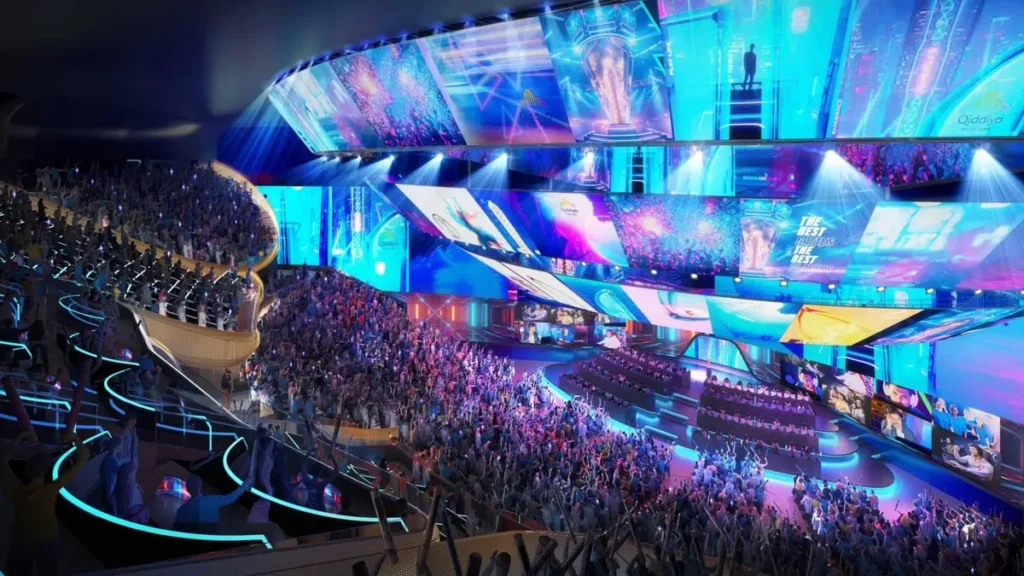
In 2025, these arenas are no longer just stages to watch tournaments; they are interactive hubs designed to maximize fan engagement, enhance player performance, and redefine the competitive landscapes of esports globally. From futuristic VR-integrated stadiums to community-driven hybrid gaming centers, esports arenas are becoming the backbone of an industry set to rival traditional sports.
This blog dives deep into the five most innovative esports arenas in 2025, exploring how they are transforming competition, reshaping fan experiences, and cementing the future of global gaming culture.
The Rise of Esports Arenas: Why They Matter in 2025
To understand the significance of these five esports arenas, we must first look at why such venues are critical in 2025. The esports industry is projected to generate billions in revenue, with a huge chunk coming from live events and sponsorships. Unlike home gaming, arenas amplify the thrill of competition by combining atmosphere, technology, and live engagement.
Key reasons why esports arenas are reshaping the industry include:
- Immersive Fan Engagement: Live holographic displays, interactive big screens, and VR experiences keep fans at the edge of their seats.
- Professional Infrastructure: Players perform better when provided with world-class hardware, high-speed connections, and optimized playing environments.
- Revenue Growth: Arenas attract sponsors, advertisers, and ticket sales that fuel the esports economy.
- Cultural Expansion: Esports arenas are global meeting points for communities, much like football stadiums are for sports fans.
With 2025 pushing the boundaries of what gaming spaces can achieve, the following arenas stand out as game-changers.
1. HyperX Esports Arena 2.0 – The Las Vegas Evolution
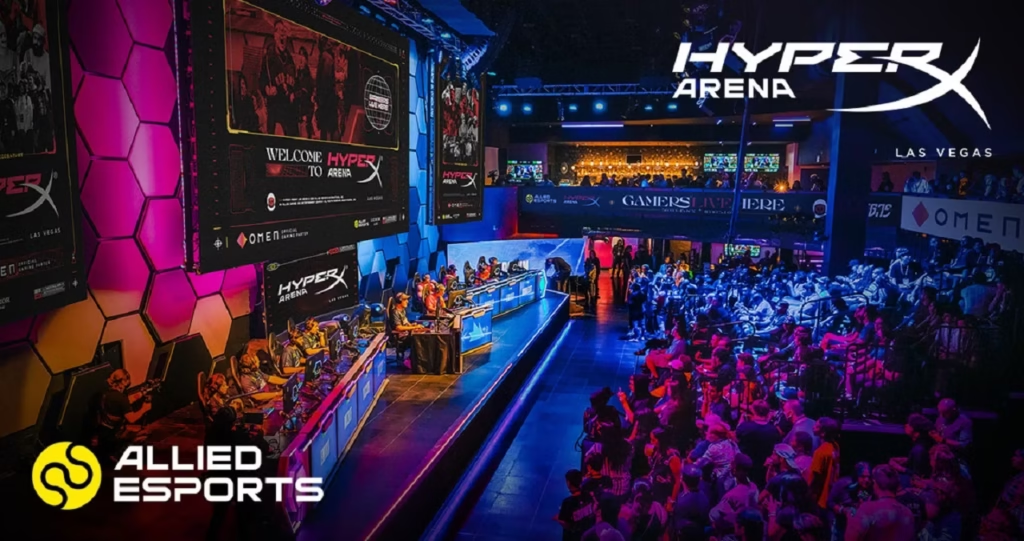
Las Vegas has always been synonymous with entertainment, but the HyperX Esports Arena 2.0 has redefined how gaming events blend with the city’s identity. Originally launched as the HyperX Esports Arena, the 2025 upgrade integrates AI-driven spectator systems and immersive 4D experiences, where fans not only watch but feel the game.
- Technological Marvel: From real-time data visualization to biometric performance tracking of pro players, this arena enhances transparency and excitement for viewers.
- Audience Participation: Fans can use AR glasses provided at entry to view alternate perspectives, like a first-person view of their favorite players.
- Impact on Competitive Landscapes: The HyperX Arena has become a benchmark for international tournaments, setting new standards in how global events are broadcast and consumed.
By blurring the line between reality and digital immersion, the HyperX Esports Arena continues to anchor Las Vegas as a hub for futuristic esports experiences.
2. Seoul’s Quantum Dome – The Global Tech Titan

South Korea has always been at the forefront of esports, and in 2025, Seoul’s Quantum Dome cements this reputation. More than just an arena, the Quantum Dome acts as a living esports ecosystem, powered by 8K streaming technology, ultra-low latency gaming setups, and AI-powered crowd engagement tools.
- Fan-Driven Innovation: Seats are equipped with personal screens, letting fans customize camera angles or interact with live commentators.
- Hybrid Competitions: The arena supports both physical tournaments and VR-based esports, opening doors for mixed-reality competitions.
- Economic Contribution: With government and private investment, Quantum Dome is projected to draw millions in tourism revenue and solidify Korea as the esports capital of the world.
The Quantum Dome shows how esports arenas are no longer just about gaming—they are futuristic cities within cities, shaping how fans and players connect.
3. Berlin’s Nexus Hub – Europe’s Esports Powerhouse
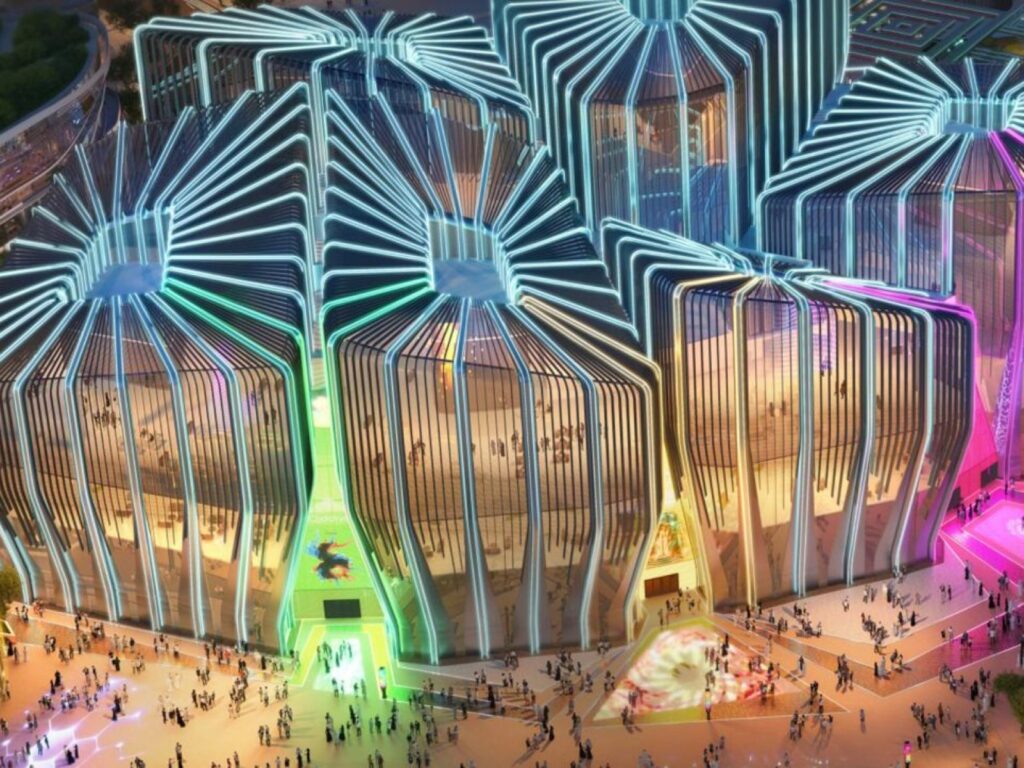
In 2025, Europe’s esports scene is thriving, with Berlin’s Nexus Hub at its center. The arena represents a union between architectural innovation and grassroots esports culture. Unlike arenas focused solely on pro tournaments, Nexus Hub also empowers local gamers and indie developers, making it a multi-functional venue.
- Community Integration: Daily gaming lounges, training zones, and community leagues make it accessible to both amateurs and pros.
- Sustainability First: Nexus Hub is powered entirely by renewable energy, setting an example for eco-friendly esports infrastructure.
- Competitive Advantage: The venue offers state-of-the-art bootcamp facilities for pro teams, giving them a performance edge during international tournaments.
By combining inclusivity with elite competition, Nexus Hub redefines esports arenas as cultural spaces that fuel the long-term growth of the gaming ecosystem.
4. Tokyo’s Infinity Stage – Blending Tradition and Tech

Tokyo has always balanced cultural heritage with cutting-edge technology, and in 2025, Infinity Stage embodies this duality. With a capacity of over 20,000, it is one of the largest esports arenas in Asia, but what makes it unique is its integration of Japanese culture with esports experiences.
- Cultural Fusion: The arena blends traditional Japanese design with futuristic gaming aesthetics, creating a venue that appeals to both tourists and locals.
- Immersive Tech: Infinity Stage uses holographic projections, allowing fans to see 3D recreations of in-game environments during matches.
- Global Recognition: By hosting major global tournaments, Infinity Stage strengthens Japan’s position as an esports destination.
This arena proves that esports can be more than just a game—it can be a cultural spectacle.
5. Dubai’s Mirage Arena – The Desert’s Digital Jewel

Dubai is no stranger to ambitious projects, and the Mirage Arena is no exception. Positioned as a futuristic esports hub in the Middle East, it combines luxury, spectacle, and innovation like no other.
- Luxury Integration: From VIP sky lounges to blockchain-powered ticketing systems, Mirage Arena merges technology with high-end entertainment.
- Innovation Hub: The arena doubles as a tech incubation center for gaming startups, fostering esports innovation beyond tournaments.
- Regional Impact: By offering a platform for Middle Eastern gamers, Mirage Arena is reshaping the competitive landscapes of an entire region.
In true Dubai fashion, Mirage Arena sets global standards by making esports not just competitive, but an ultra-luxury experience.
How Esports Arenas Are Redefining Competitive Landscapes
Across the globe, these five esports arenas demonstrate a clear trend: competition is no longer limited to the digital screen—it’s an immersive, cultural, and economic force. The innovations introduced in these venues are driving multiple transformations:
- Boosting Player Performance – With access to pro-level infrastructure and optimized conditions.
- Enhancing Fan Experience – Through immersive technology, AR/VR, and interactive content.
- Fueling Industry Growth – By attracting investors, sponsors, and mainstream audiences.
- Shaping Global Identities – Cities like Seoul, Berlin, and Dubai are now synonymous with esports culture.
- Creating Cultural Impact – Arenas double as social spaces, merging communities with global gaming culture.
Esports arenas in 2025 are not just physical spaces. They are symbols of innovation, competition, and connection—and they are redefining what it means to be a part of the global esports community.
The Technology Revolution Behind Esports Arenas
One of the reasons Esports Arenas in 2025 stand out compared to previous years is the massive leap in technology. These are not just giant halls filled with PCs and LED screens anymore. Instead, they function like futuristic entertainment ecosystems powered by artificial intelligence, 5G connectivity, VR integration, and hyper-personalized fan interaction systems.
Modern esports arenas have shifted their focus toward audience immersion. Fans don’t want to be passive viewers; they want active participation. Let’s explore some of the groundbreaking innovations shaping the industry.
Artificial Intelligence and Real-Time Analytics
Esports arenas in 2025 use AI to analyze matches in real-time. AI tracks performance metrics of individual players, predicts possible game outcomes, and even delivers instant highlight reels for big screens.
For fans, this means no dull moments—every play is broken down with insights that enhance understanding of complex games like League of Legends or Valorant. For players, AI feedback helps them adjust strategies mid-match, giving tournaments a more dynamic flavor.
AR and VR Integration for Fans
Augmented Reality (AR) and Virtual Reality (VR) have completely redefined live experiences inside esports arenas. Imagine putting on a headset and being able to step inside the map where your favorite players are battling. Fans can now toggle between watching the game from the stands or experiencing it directly through a player’s perspective.
This fusion of AR/VR with esports arenas has made fans feel like part of the match itself, creating memories far more engaging than traditional sports spectating.
Cloud Gaming Infrastructure
Instead of relying solely on expensive hardware setups, esports arenas in 2025 are increasingly powered by cloud gaming platforms. This allows multiple games to be hosted simultaneously without heavy physical servers in the venue. The result is faster load times, lower latency, and seamless integration across global tournaments.
Cloud technology also enables players worldwide to connect to a tournament being broadcast inside an arena, blurring the boundaries between physical and digital esports competition.
Fan-Centric Features Inside Esports Arenas
A huge reason why esports arenas are transforming competitive landscapes is the shift from player-first to fan-first design. While players still benefit from pro-level hardware and infrastructure, arenas in 2025 place heavy emphasis on engaging fans before, during, and even after events.
Interactive Seating
In many new esports arenas, seats are equipped with touchscreen devices that allow fans to vote on predictions, track live stats, or even join polls affecting in-game experiences. Some seats offer haptic feedback, meaning fans feel the vibrations of intense gunfire or crowd cheers directly in their chairs.
Merchandise and NFT Collectibles
The rise of digital collectibles has made esports arenas more than just match-viewing venues. Fans can unlock exclusive NFTs, buy limited-edition skins tied to specific matches, or even collect holographic merchandise only available at that venue.
This not only boosts fan immersion but also generates new revenue streams for arenas and teams.
Social Zones and Community Hubs
Unlike traditional sports stadiums where fans arrive only on match days, modern esports arenas are designed to function year-round. They include gaming cafés, coworking lounges, VR pods, and even esports training centers for amateur players.
This has transformed esports arenas into 24/7 community hubs, blending the roles of entertainment centers, gaming schools, and cultural meeting points.
Behind the Scenes: Infrastructure of Esports Arenas
What fans see on the surface is only the tip of the iceberg. The true power of esports arenas lies in their invisible infrastructure—systems designed to guarantee high-quality gameplay and flawless broadcasting.
Hyper-Fast Internet and 5G
Latency can kill competition. That’s why esports arenas invest millions in fiber optic networks and 5G technology, ensuring players compete in conditions where milliseconds don’t decide the outcome.
Broadcast-Grade Production Studios
Every esports arena in 2025 doubles as a high-end broadcasting studio. With multiple camera rigs, drone-based filming, and holographic casters, matches are streamed to millions worldwide with cinematic quality.
Player Facilities
Behind the stage, arenas now include bootcamp facilities, mental health rooms, physiotherapy zones, and strategy pods. Professional esports requires mental stamina just as much as mechanical skills, and these facilities ensure players are performing at their best.
The Impact of Esports Arenas on Players
The evolution of esports arenas doesn’t just affect fans—it deeply impacts players too. These spaces elevate competition by providing an environment designed for maximum performance.
- Psychological Boost: Playing in a futuristic arena packed with fans builds adrenaline and focus.
- Fair Competition: Standardized setups ensure no team has unfair hardware advantages.
- Global Exposure: Competing in top-tier arenas allows players to showcase their talent on international stages, gaining sponsorships and fanbases.
Economic Growth Fueled by Esports Arenas
The role of esports arenas extends far beyond gaming—they are economic engines for their host cities.
- Tourism: Major tournaments attract international travelers, filling hotels and restaurants.
- Jobs: Arenas create employment for event organizers, content creators, hospitality workers, and tech engineers.
- Brand Partnerships: Global companies sponsor events, contributing millions to local economies.
Cities like Seoul, Berlin, and Dubai are now strategically investing in esports arenas, seeing them as catalysts for cultural and financial growth.
Future of Esports Arenas Beyond 2025
Looking ahead, esports arenas are expected to evolve into multi-dimensional entertainment complexes. Predictions for the next decade include:
- AI Commentators: Fully immersive, real-time casting that personalizes commentary for each fan.
- Metaverse Integration: Fans entering digital twins of real arenas via VR from their homes.
- Cross-Industry Collaboration: Partnerships with traditional sports, music concerts, and even educational institutions.
- Global Franchises: Major esports arenas becoming international brands with sister locations across continents.
The next wave of innovation will ensure esports arenas remain at the forefront of competitive entertainment.
Regional Case Studies of Esports Arenas in 2025
While global innovation is clear, each region contributes something unique to the rise of Esports Arenas. These case studies show how local culture and technology intersect to create diverse experiences for fans and players.
North America – The Entertainment-First Model
In the United States, esports arenas focus heavily on merging gaming with entertainment. Venues like HyperX Esports Arena 2.0 in Las Vegas and new multipurpose spaces in Los Angeles are designed as part tournament venue, part theme park.
- Entertainment Integration: Concerts, gaming expos, and influencer meet-ups happen alongside esports competitions.
- Fan Accessibility: Many arenas in North America offer affordable community nights, ensuring both pros and casual fans feel included.
- Commercial Impact: These arenas thrive on sponsorships from tech companies, beverage brands, and lifestyle products, tying esports to mainstream culture.
Asia – The Global Pioneers
Asia has long been the heartland of esports, and in 2025, its arenas remain the most advanced. Seoul’s Quantum Dome leads the charge, but arenas in Shanghai, Tokyo, and Singapore are also expanding rapidly.
- High-Tech Immersion: Asian esports arenas are packed with AR/VR integration, holographic projections, and hyper-fast streaming.
- Community-First Spirit: Local gaming cafés and amateur tournaments feed directly into larger arena competitions, ensuring grassroots growth.
- Government Backing: Countries like South Korea and China treat esports as a cultural export, investing heavily in arena construction.
Europe – Community and Sustainability
European esports arenas are distinct for combining eco-friendly design with inclusivity. Berlin’s Nexus Hub is a prime example of how Europe values sustainability while also nurturing its grassroots community.
- Green Arenas: Many new European venues run entirely on renewable energy.
- Inclusive Growth: From pro tournaments to amateur weekend leagues, arenas open doors for all players.
- Tourist Magnet: Cities like Berlin and Stockholm are seeing esports tourism boost their economies, attracting global visitors to major tournaments.
Middle East – Luxury and Innovation
The Middle East is investing in luxury-driven esports arenas to put itself on the global gaming map. Dubai’s Mirage Arena is a perfect example of this approach.
- Luxury Experience: VIP lounges, premium digital passes, and blockchain-powered ticketing give events an exclusive flair.
- Regional Growth: The Middle East’s esports scene is still young, but these venues provide a launchpad for local talent.
- Innovation Hubs: Arenas double as incubators for tech startups, fostering broader industry growth.
South America – Growing Passion
South America is emerging as a passionate esports market, with Brazil leading the charge. New esports arenas in São Paulo are creating a vibrant stage for competitive gaming.
- Cultural Passion: Football-like energy is transferred into esports arenas, with fans singing, chanting, and waving team flags.
- Economic Opportunity: Local businesses thrive during tournaments, and esports creates new jobs for young professionals.
- Global Visibility: With international tournaments now hosted in South America, the region is finally gaining global recognition.
Global Lessons from Regional Arenas
These case studies prove that Esports Arenas are more than just buildings—they reflect the cultural identity and aspirations of their regions.
- North America shows how to merge gaming with lifestyle entertainment.
- Asia proves that government investment and tech innovation can make esports mainstream.
- Europe demonstrates the importance of sustainability and inclusivity.
- The Middle East highlights luxury and futuristic design.
- South America reveals the power of passion and grassroots enthusiasm.
Together, they paint a picture of a future where esports arenas are global symbols of entertainment, culture, and competition.