
Introduction to mobile eSports Showdowns
Mobile eSports has transformed from a niche interest into one of the most popular competitive gaming categories in the world. With smartphones becoming more powerful each year and high-speed internet widely available, games like Clash Royale and Free Fire have built massive communities of players and spectators. The year 2025 marks a milestone for mobile gaming, as several high-profile tournaments and events are expected to draw record participation and viewership. This blog explores 7 Mobile eSports Showdowns that every fan should watch, with a strong focus on the Clash Royale Tournament and Free Fire Tournament while also touching upon related competitions that define the future of gaming.
Why Mobile eSports Matters in 2025
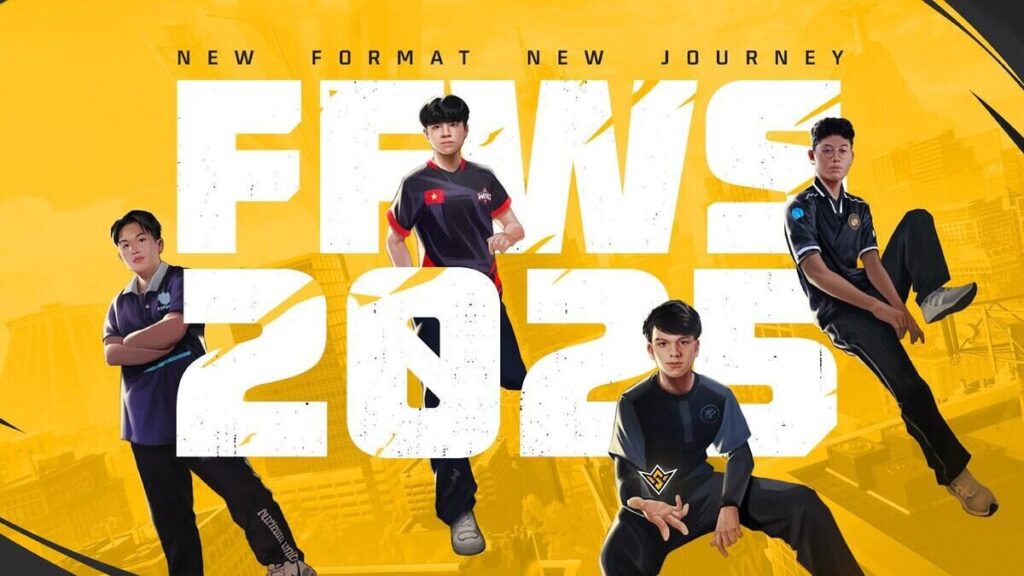
The popularity of mobile eSports is no coincidence. In 2025, global smartphone usage has crossed 7 billion users, and nearly 3 billion of them engage in gaming. Unlike traditional PC or console games that require expensive setups, mobile games are accessible to anyone with a phone and an internet connection. This accessibility has made titles like Free Fire and Clash Royale truly global phenomena. More importantly, mobile eSports opens opportunities for younger gamers, students, and casual players to rise into professional competitive circuits.
Clash Royale Tournament 2025 – The Strategy Showdown
What Makes Clash Royale Unique
Clash Royale, developed by Supercell, is more than just a mobile card-based strategy game. It combines real-time decision making, deck building, and tower defense mechanics. Unlike fast shooters, Clash Royale emphasizes brain over reflexes, making it one of the most intellectual forms of mobile eSports.
Tournament Highlights
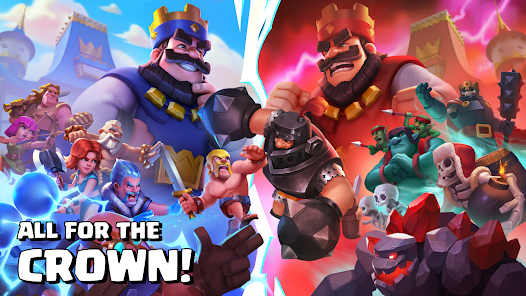
The 2025 Clash Royale Tournament is expected to feature over 10 million participants in its qualifiers worldwide. Supercell has expanded prize pools, ensuring that top players walk away with life-changing rewards. Matches will be broadcast on YouTube, Twitch, and even mainstream TV in some regions, signaling the mainstream acceptance of mobile eSports.
Strategies Players Use
Top players in Clash Royale adopt strategies such as cycle decks for fast gameplay, heavy beatdown decks to dominate late games, and hybrid strategies that combine the two. The 2025 tournament will highlight innovations in deck building, with new card updates creating fresh opportunities for counterplay.
Free Fire Tournament 2025 – The Battle Royale Phenomenon
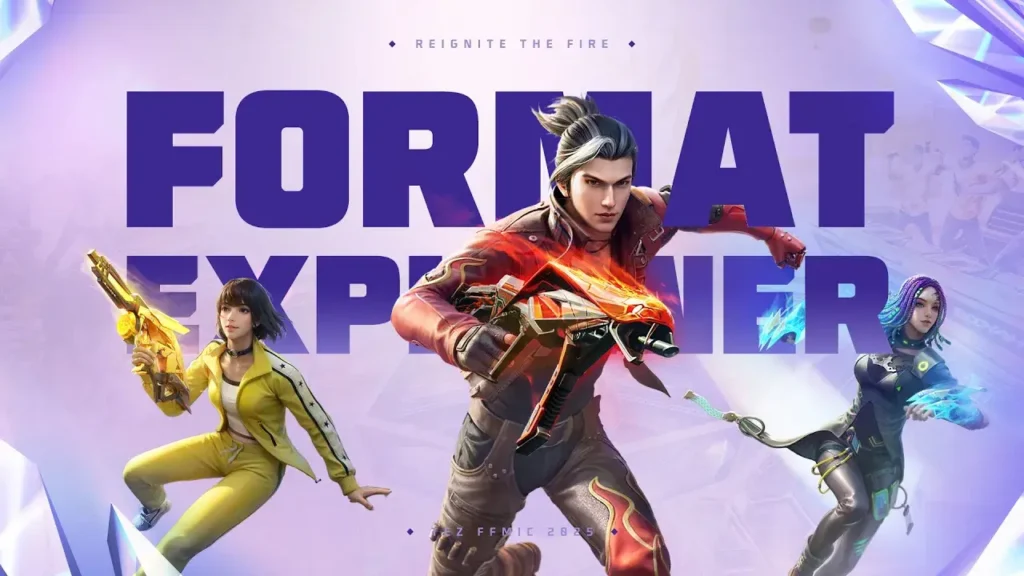
Why Free Fire Dominates Mobile eSports
Garena Free Fire continues to lead the battle royale segment on mobile due to its accessibility, low device requirements, and intense gameplay. Unlike competitors, Free Fire matches are short, making them ideal for both casual and competitive players.
Global Expansion in 2025
The 2025 Free Fire Tournament will bring together teams from more than 50 countries. With massive fan bases in India, Brazil, and Southeast Asia, Free Fire is set to dominate global mobile eSports charts. Prize pools are expected to cross $10 million, rivaling PC and console tournaments.
Teams and Players to Watch
Legendary squads like EVOS Esports, Team Elite, and LOUD are returning stronger than ever. Rising stars from underdog regions will add unpredictability, making the tournament an unforgettable showdown.
Other mobile eSports Events in 2025
While Clash Royale and Free Fire are front and center, several other mobile tournaments make up the 7 Mobile eSports Showdowns worth following.
PUBG Mobile Global Championship
Despite ups and downs in regulations, PUBG Mobile remains a staple of mobile eSports. Its 2025 championship introduces advanced anti-cheat systems and cross-region leagues, giving fans fairer competition.
Mobile Legends: Bang Bang World Championship
MOBA lovers continue to thrive with Mobile Legends. In 2025, the championship will host offline events across Asia, bringing back the thrill of live stadium atmospheres.
Call of Duty Mobile World League
COD Mobile has matured into a full-scale competitive title. The World League introduces mixed formats combining Search & Destroy, Hardpoint, and Battle Royale, appealing to both hardcore and casual audiences.
Asphalt 10 Racing Cup
For variety, the Asphalt 10 Racing Cup adds a high-speed element to mobile eSports. In 2025, it will feature real-world car sponsorships, merging automotive culture with digital gaming.
Pokémon Unite Global Invitational
Strategic yet fun, Pokémon Unite tournaments bring a family-friendly flavor to competitive gaming. The 2025 invitational will showcase international teams, giving younger players a chance to shine.
Audience Growth and Live Streaming Trends
One reason mobile eSports thrives is the ecosystem of live streaming. Platforms like YouTube Gaming, Twitch, and regional apps such as Loco (India) or NemoTV (Asia) provide massive audiences. In 2025, integration with AR and VR promises interactive viewing experiences where fans can watch replays from player perspectives or even simulate in-game conditions.
Sponsorships and Revenue Models
Brands are increasingly investing in mobile eSports. In 2025, we see beverage companies, smartphone manufacturers, and sports apparel brands sponsoring tournaments. This not only increases prize pools but also gives legitimacy to the mobile eSports industry. For players, this means career opportunities ranging from streaming to brand ambassadorship.
Training and Grassroots Development
Mobile eSports has also expanded into grassroots levels. Colleges, universities, and even high schools host intramural Clash Royale and Free Fire tournaments. Training academies now teach strategy, reflexes, and mental toughness, creating pathways for amateurs to enter professional circuits.
Challenges in Mobile eSports
Despite the boom, mobile eSports faces hurdles. Internet latency, device differences, and regional restrictions remain issues. Cheating, account boosting, and illegal betting are risks that organizers work tirelessly to minimize. However, with stronger rules and technological solutions in 2025, the scene continues to improve.
Predictions for the Future
Looking ahead, mobile eSports will likely surpass traditional PC/console eSports in terms of player base and audience size by 2030. Integration with blockchain, NFTs for in-game items, and AI-driven match analysis are on the horizon. Free Fire and Clash Royale, while leading today, may face competition from new titles yet to be announced.
Deep Dive into Clash Royale Tournament 2025
Evolution of Gameplay
Clash Royale has evolved significantly since its launch. In 2025, the game introduces several new card mechanics and seasonal meta shifts, which require players to adapt quickly. Deck-building strategies now focus on synergy between spells, troop placements, and countering popular meta decks. For competitive players, staying updated with patch notes is as important as actual gameplay practice.
Training Regimens for Top Players
Professional Clash Royale players dedicate 4–6 hours daily to strategy practice. Many teams now employ analysts to study opponent decks, track trends, and simulate high-pressure scenarios. Mental conditioning has also become key; tournament stress can affect decision-making, making mindfulness and quick-reaction drills a part of daily training.
Notable Players to Watch
The 2025 tournament features returning champions such as Surgical Goblin, Morten, and new rising stars from Latin America and Southeast Asia. Their unique playstyles—ranging from hyper-aggressive pushes to calculated defensive cycles—illustrate the global diversity of strategies in Clash Royale.
Viewer Experience and Interactive Features
Spectators now enjoy interactive features such as live polls, hero spotlights, and deck simulators embedded within streams. Some streaming platforms offer multi-angle live views of tournament matches, giving viewers an immersive experience that enhances engagement and social sharing.
Free Fire Tournament 2025 – Advanced Insights
Tournament Format Changes
The 2025 Free Fire Tournament introduces a hybrid format combining solo, duo, and squad competitions. Each round includes point-based scoring and survival challenges. This format emphasizes versatility, rewarding players who can perform across multiple modes.
Gear and Setup Trends
While Free Fire can run on low-end devices, professional teams now optimize settings for 120 Hz displays, external triggers, and custom control mapping. These advancements, combined with ergonomic gaming setups, maximize reaction speed and reduce fatigue during long tournaments.
Stories from the Battleground
Beyond stats and wins, player stories make Free Fire compelling. Many professional players come from humble backgrounds, using mobile eSports as a path to financial independence. Their journey inspires millions of fans, and tournaments often highlight these personal narratives to strengthen viewer loyalty.
The Other 5 Mobile eSports Showdowns – Expanded
PUBG Mobile Global Championship – Tactical Mastery
PUBG Mobile continues to dominate the battle royale genre. In 2025, tournaments will feature AI-assisted replay analysis, enabling teams to review positioning, loot efficiency, and combat tactics. Coaches now play a pivotal role, providing live feedback to enhance in-game decision-making.
Mobile Legends: Bang Bang – Fan Interaction
The MLBB World Championship emphasizes fan engagement. Interactive voting allows viewers to influence match-day events, such as selecting map rotations or highlighting specific hero battles. The 2025 event also introduces augmented reality experiences for fans attending in-person matches.
Call of Duty Mobile World League – Advanced Mechanics
COD Mobile’s 2025 World League integrates advanced recoil patterns, tactical zones, and randomized loot drops, making each match unpredictable. Teams must adjust loadouts and strategies on the fly, highlighting adaptability as a critical skill for success.
Asphalt 10 Racing Cup – Speed Meets Strategy
Asphalt 10’s tournaments combine traditional racing with strategic item usage. Players must balance risk and reward, deciding when to use nitro boosts or deploy obstacles. Live leaderboards and dynamic commentary enhance viewer experience, making every race a spectacle.
Pokémon Unite Global Invitational – Strategic Teamwork
In Pokémon Unite, teamwork is paramount. The 2025 invitational introduces new items and temporary buffs, requiring teams to adapt quickly. Analysts now track player roles, rotation patterns, and scoring efficiency, providing rich insights for fans and commentators.
Fan Engagement and Community Building
Social Media Integration
Mobile eSports thrives on social media. In 2025, tournaments integrate Twitter, Instagram, and TikTok campaigns to increase engagement. Players post behind-the-scenes content, memes, and highlight reels, creating viral moments that amplify tournament reach.
Fan Clubs and Online Communities
Official fan clubs and Discord servers allow fans to discuss strategies, share highlights, and participate in mini-tournaments. These communities strengthen loyalty and encourage younger players to enter competitive circuits.
Live Event Experiences
Offline events combine competitions with lifestyle elements—cosplay contests, merchandise stalls, and meet-and-greets with pro players. These experiences turn tournaments into festivals, drawing media coverage and attracting new audiences.
Monetization and Sponsorship Growth
Brand Collaborations
Brands now sponsor entire tournaments or individual teams. In 2025, smartphone manufacturers provide devices for players, energy drink companies host live zones, and apparel brands launch co-branded merchandise. This synergy between gaming and lifestyle markets generates substantial revenue.
Streaming Revenue
Professional players increasingly earn via live streaming, ad revenue, and fan subscriptions. Platforms reward high engagement, incentivizing players to interact with audiences beyond gameplay.
NFT and Digital Collectibles Integration
In 2025, mobile eSports experiments with blockchain and NFTs. Players can trade limited-edition skins or highlight reels, creating additional revenue streams and increasing fan investment in events.
Training, Coaching, and Player Development
Academy Programs
Several professional academies now train mobile eSports aspirants. Programs include strategy sessions, mental conditioning, nutrition advice, and media training.
Talent Scouting
Tournament organizers scout rising talent through online qualifiers, social media highlights, and regional events. This approach ensures a steady influx of skilled players, maintaining competitive integrity.
Mental and Physical Fitness
Top-tier mobile eSports players incorporate mindfulness exercises, physical workouts, and ergonomic assessments to enhance focus and prevent repetitive strain injuries. In 2025, this holistic approach differentiates champions from amateurs.
Technology and Innovation
Game Optimization
Developers focus on reducing latency, improving frame rates, and implementing AI-driven matchmaking. These updates ensure fair competition and enhance the viewing experience.
Streaming Enhancements
Augmented reality overlays, instant replays, and multi-view camera setups immerse fans in matches. Interactive features allow viewers to predict plays, vote on MVPs, and even simulate gameplay scenarios.
Artificial Intelligence and Analytics
AI now analyzes performance data in real time, offering insights on player efficiency, damage ratios, and win probabilities. Coaches use these analytics to adjust strategies mid-match, raising the competitive standard.
Global Reach and Cultural Impact
Regional Popularity
India, Brazil, Southeast Asia, and parts of
Global Reach and Cultural Impact
Regional Popularity
Mobile eSports has become a global phenomenon, with massive participation in regions such as India, Brazil, Southeast Asia, and parts of Europe. Each region brings its own style and culture to the game. In India, Free Fire tournaments attract millions of young players who often start competing while still in college. Brazil has a passionate Clash Royale fan base, with players known for aggressive and unpredictable strategies. Southeast Asia combines both titles in large-scale competitions, integrating cultural festivals and live events that celebrate local traditions alongside gameplay.
Cultural Adaptations
Developers and tournament organizers recognize the importance of localizing events to cater to diverse audiences. For example, in India, live streams often include commentary in multiple regional languages such as Hindi, Tamil, and Telugu. In Southeast Asia, tournaments feature bilingual commentary in English and the local language to ensure both local and international fans can enjoy the matches. Cultural adaptations also extend to prize pools, which are often tailored to local standards of living, making tournaments more accessible and inclusive.
Impact on Youth and Education
Mobile eSports is reshaping youth culture. Many students now consider professional gaming a viable career path, which has led to the creation of academic programs and clubs centered around strategy, teamwork, and digital literacy. Schools and universities are partnering with organizers to host internal competitions, which act as feeder leagues for larger national or global tournaments. This integration of mobile gaming into education encourages problem-solving, time management, and collaborative skills.
Fan Engagement and Interactive Experiences
Community-driven Tournaments
Community involvement is a major driver of mobile eSports popularity. In 2025, tournaments encourage fans to participate in qualifiers, social media challenges, and live polls that can influence minor in-game elements. These initiatives create a sense of ownership among fans, increasing long-term engagement and loyalty.
Streaming and Multi-platform Integration
Live streaming is now central to the mobile eSports experience. Platforms like YouTube Gaming, Twitch, Loco, and NemoTV allow fans to watch matches on multiple devices simultaneously. Advanced features, such as picture-in-picture streams, multi-angle replays, and interactive stats overlays, create an immersive experience. Some platforms even provide live commentary that fans can customize, choosing their preferred commentators or language options.
Merchandise and Digital Collectibles
The fan experience extends beyond watching games. Tournaments now include merchandise stores, offering apparel, game accessories, and limited-edition digital collectibles. NFTs are increasingly integrated, allowing fans to purchase exclusive skins or highlight reels from tournaments. These digital assets create a deeper connection between fans and players while opening new revenue streams for organizers.
Advanced Strategies in Mobile eSports
Clash Royale Strategy Evolution
By 2025, top-tier Clash Royale players focus on synergy between cards, efficient elixir management, and adaptive counter-strategies. High-level gameplay now relies on predictive modeling of opponent behavior. Players analyze past matches to identify trends, anticipate moves, and optimize deck composition. The meta evolves continuously, with new card updates forcing players to innovate or risk falling behind in competitive rankings.
Free Fire Tactical Developments
In Free Fire, strategy has expanded beyond simple survival. Teams use terrain advantages, advanced shooting techniques, and coordinated rotations to dominate matches. Communication and role specialization are crucial; squads assign specific players to scout, secure loot, and provide support fire. Understanding circle mechanics, spawn points, and weapon combinations can mean the difference between winning and being eliminated early.
Cross-Game Skills and Adaptability
Many professional players participate in multiple mobile eSports titles, enhancing their adaptability. Skills such as reaction time, spatial awareness, and decision-making are transferable across games. This cross-training allows players to remain competitive in diverse tournaments and helps them innovate strategies by borrowing techniques from one game and applying them creatively in another.
Sponsorship and Commercial Growth
Increasing Brand Investment
Brands have recognized the potential of mobile eSports to reach highly engaged audiences. Smartphone companies, energy drinks, gaming peripherals, and apparel brands now sponsor entire tournaments or individual players. In 2025, these partnerships extend to interactive campaigns, such as in-app rewards, live-streamed brand activations, and co-branded merchandise.
Revenue from Digital Engagement
Monetization is no longer limited to ticket sales or advertisements. Streaming platforms pay for viewer engagement, sponsorship placements, and fan subscriptions. Digital collectibles and NFTs allow fans to invest in their favorite teams or players, creating micro-economies around tournaments. This financial ecosystem ensures long-term sustainability for mobile eSports events.
Career Opportunities for Players
Professional gaming careers extend beyond competition. Players can earn income through streaming, sponsorships, coaching, content creation, and tournament appearances. As mobile eSports gains legitimacy, traditional career pathways now coexist with digital sports, allowing talented individuals to turn gaming skills into viable livelihoods.