
How to build team chemistry in Valorant teams with proven tips, strategies, drills, and bonding exercises for ranked climbs and esports success in 2025.
Table of Contents
How to Build Team Chemistry in Valorant Teams

How to build team chemistry in Valorant teams is the key to long-term success, whether you’re playing competitive ranked or aiming for esports tournaments. Valorant is designed around five players executing strategies together. Even if everyone has sharp aim, without team chemistry, coordination fails and matches are lost.
This guide covers everything you need to know about building chemistry in Valorant teams—communication habits, trust, role clarity, practice drills, tilt control, bonding strategies, and pro insights. By following these steps, your squad can climb faster, win scrims more consistently, and maybe even prepare for competitive play.
What Team Chemistry Means in Valorant

When discussing how to build team chemistry in Valorant teams, it’s important to understand what chemistry really means.
Team chemistry is the ability of five individuals to act as a single unit. It’s not about everyone fragging out—it’s about:
- Communicating clearly and concisely.
- Trusting teammates in clutch situations.
- Adapting strategies together.
- Respecting individual roles.
- Keeping morale strong even when losing.
Without chemistry, matches devolve into chaos. With chemistry, even underdogs can upset stronger opponents.
Why You Must Learn How to Build Team Chemistry in Valorant Teams
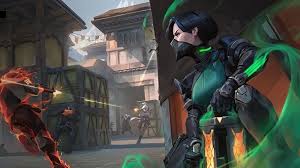
Chemistry wins games more than raw mechanics. Let’s break it down:
- Communication Efficiency: Teams with chemistry speak less but say more.
- Trust and Execution: No hesitation, just instant action on strategies.
- Consistency Across Matches: Chemistry helps maintain focus during long sessions.
- Mental Resilience: Teams bounce back from bad halves or losing streaks.
- Esports Potential: Professional rosters value chemistry over pure aim.
This is why knowing how to build team chemistry in Valorant teams is essential if you want long-term results.
Step 1: Build Strong Communication Habits
The foundation of how to build team chemistry in Valorant teams is communication. Teams that cannot communicate clearly will crumble in pressure rounds.
Communication Tips
- Use short callouts: “Two A short,” “Spike down B.”
- Adopt calm tones: Avoid shouting or panic calls.
- Standardize map callouts: Make sure everyone says the same names.
- Keep clutches clear: Only one calm voice should guide clutch rounds.
Practicing comms in customs is one of the fastest ways of building chemistry in Valorant teams.
Step 2: Define Clear Roles
Role clarity is crucial when learning how to build team chemistry in Valorant teams. Confusion about who smokes or who entries first can ruin entire rounds.
- Duelist: Must trust teammates to trade properly.
- Controller: Needs the team to push with their smokes.
- Initiator: Requires perfect timing with teammates on flashes and drones.
- Sentinel: Relies on trust during site holds and rotates.
Rotate roles occasionally to build empathy and understanding within the squad.
Step 3: Structured Practice Routines

One of the overlooked aspects of how to build team chemistry in Valorant teams is consistent team practice. Solo queueing won’t cut it.
Weekly Practice Routine
- Day 1–2: Map reviews, utility lineups.
- Day 3: Scrims vs equal or higher teams.
- Day 4: Watch VODs, fix mistakes.
- Day 5: Utility and retake drills.
- Day 6: Fun customs to relax.
- Day 7: Rest or solo aim training.
Shared practice not only improves skills but also strengthens bonds between players.
Step 4: Trust Inside and Outside the Game
Another critical part of how to build team chemistry in Valorant teams is developing trust.
Trust-Building Ideas
- Play fun games together besides Valorant.
- Host watch parties of pro tournaments.
- Give constructive feedback after scrims.
- Hang out casually if possible.
Trust outside the server improves trust inside the server.
Step 5: Create a Team Identity
Having a strong identity is underrated when learning how to build team chemistry in Valorant teams.
- Create a team name and logo.
- Define team values such as positivity, adaptability, and consistency.
- Celebrate small victories like clutch rounds or scrim wins.
- Establish rituals like pep talks or warm-up games.
Shared identity transforms your team from a random 5-stack into a bonded roster.
Step 6: Control Tilt and Emotions
Tilt is one of the biggest enemies of team chemistry. A tilted player can spread negativity fast.
Tilt Control Strategies
- Reset mentality after every round: “Next round starts now.”
- Use breathing exercises during tactical pauses.
- Assign one teammate to calm others.
- Focus on long-term goals, not single mistakes.
Emotional stability is crucial for maintaining chemistry across long sessions.
Step 7: Learn from Professional Valorant Teams
Observing professionals is one of the smartest ways to understand how to build team chemistry in Valorant teams.
- Fnatic: Known for patience, role clarity, and structured comms.
- Paper Rex: Famous for fearless trust and aggressive synergy.
- LOUD: Success built on roster stability and strong bonding.
Instead of just watching their aim, pay attention to team movements, coordination, and trust.
Step 8: Tools to Enhance Chemistry
Technology can accelerate how you build team chemistry in Valorant teams.
- Aim Lab: Warm up as a squad.
- Notion/Docs: Share strategies and lineups.
- OBS/Medal: Record gameplay for reviews.
- Discord bots: Schedule practices and scrims.
Tools help structure both practice and communication.
Step 9: Role Flexibility
Another important factor in how to build team chemistry in Valorant teams is flexibility.
- Let every player try different agents occasionally.
- Train at least two roles each.
- Have backup IGLs in case the leader tilts.
Flexibility ensures adaptability when strategies fail.
Step 10: Set Shared Goals
Shared vision is the long-term answer to how to build team chemistry in Valorant teams.
- Short-term goals: Win ranked more consistently.
- Medium-term goals: Enter online tournaments.
- Long-term goals: Build a competitive roster.
When goals align, egos fade, and chemistry grows stronger.
Drills to Strengthen Chemistry

Practical exercises are key to understanding how to build team chemistry in Valorant teams.
- Silent Rounds: Play rounds with minimal comms—forces better intuition.
- Trade Practice: Never let a teammate die alone.
- Utility Combos: Perfect smoke + flash + molly timings.
- Role Swap Scrims: Builds empathy for different roles.
- Eco Challenges: Strategize together when economy is low.
Psychology of Chemistry
Psychology plays a huge role in how to build team chemistry in Valorant teams.
- Trust fuels confidence.
- Positivity fuels momentum.
- Resilience fuels long-term growth.
Treat your team like a sports roster, not just a group of gamers.
Mistakes That Break Chemistry

If you’re serious about how to build team chemistry in Valorant teams, avoid these traps:
- Blaming instead of problem-solving.
- Over-talking during rounds.
- Skipping scheduled practices.
- Arguing over agent picks.
- Letting toxic players ruin morale.
Develop Clear Leadership Roles
Every strong Valorant team has structure, and that starts with leadership. Without defined roles, confusion sets in — players might second-guess decisions, argue mid-round, or freeze in clutch situations. To avoid that, assign roles that keep the team organized:
- In-Game Leader (IGL): The shot-caller who decides rotations, executes site pushes, and adapts strategies on the fly.
- Support Leader: Manages utility usage — making sure smokes, flashes, and recon tools are timed perfectly.
- Morale Leader: Keeps the vibes positive, boosts confidence, and stops tilt from spreading when rounds don’t go your way.
👉 When each player knows their responsibility, rounds flow more smoothly and the team feels less chaotic.
Review VODs Together for Growth
Scrims and ranked games are useful, but real improvement happens when you review mistakes. Recording gameplay and watching it back as a team can be eye-opening.
Here’s what to look for during VOD reviews:
- Did anyone miss important callouts?
- Were utilities wasted too early or not synced?
- Were there moments of hesitation that cost rounds?
- What plays went well that you can repeat in future games?
By breaking down matches together, you don’t just fix mistakes — you build accountability and trust. Teammates see that everyone is invested in improvement, which makes the team stronger as a whole.
Build Positive, Non-Toxic Communication
Let’s be honest: nothing destroys team chemistry faster than toxic comms. Even skilled players struggle in a negative environment. That’s why creating a supportive culture is essential.
A few ground rules can help:
- Replace blame with constructive feedback. For example, instead of “You whiffed again”, say “Next time, let’s set up a crossfire there.”
- Cut out sarcasm and snappy comments — they only add pressure.
- Make a team rule: no criticism mid-round. Save feedback for after the round so comms stay clear and focused.
This small shift in mindset keeps morale high and prevents tilt from spreading.
Bond Beyond the Ranked Grind
Chemistry isn’t built only in sweaty ranked lobbies. In fact, some of the strongest teams grow closer outside of competitive games.
- Hop into custom modes like Spike Rush or Deathmatch to relax together.
- Watch pro Valorant tournaments as a group and analyze plays.
- Hang out on Discord, stream movies, or just vibe outside the game.
Celebrating milestones like your first tournament win or climbing a rank together also strengthens bonds. The more you connect as friends, the more you’ll trust each other when the pressure is on.
Warm Up Like the Pros
Top-level Valorant teams never queue into matches cold — they warm up both individually and as a group. Adding simple routines before scrims or tournaments helps everyone get locked in:
- Aim Training: Spend 10–15 minutes in the shooting range to sharpen reflexes.
- Utility Practice: Rehearse smoke lineups, recon darts, or flash timings as a squad.
- Communication Drill: Run a few custom rounds where everyone practices over-communicating to polish clarity.
These habits ensure your team starts strong from round one instead of “warming up” in the middle of a match.
Embrace Role Specialization Without Rigidity
One common mistake many Valorant teams make is forcing players into rigid roles without considering their natural strengths. While specialization is key, flexibility is just as important.
For example, if your Duelist has incredible aim but struggles under pressure, forcing them into every entry frag situation might hurt the team more than help. Instead, rotate responsibilities in scrims until you find the balance between comfort and performance.
Encouraging role flexibility also prevents predictability. If the enemy always knows who your entry or lurker is, they can counter more easily. By switching things up occasionally, your team stays unpredictable and harder to read.
Develop Map-Specific Chemistry
Valorant isn’t just about raw mechanics — each map has unique dynamics that demand different teamwork styles. A team with great synergy on Ascent may fall apart on Bind if they don’t adapt.
To build map-specific chemistry:
- Create set playbooks for each map with defined utility usage.
- Assign map leaders — players who feel most confident on certain maps and can take initiative.
- Practice rotational discipline. On larger maps like Breeze, fast and coordinated rotations can make or break rounds.
Over time, your team will develop a “sixth sense” on each map, knowing exactly when and where teammates will be without needing excessive comms.
Master Mid-Round Adaptability
Even the best pre-round strategies can fall apart when the enemy throws a surprise tactic your way. Strong chemistry shows in these chaotic mid-round situations.
Train your team to:
- Recognize patterns — for example, if the enemy Controller always smokes the same choke point, plan an immediate counter.
- Trust fast calls — when your IGL makes a mid-round pivot, the team must follow without hesitation.
- Play off intuition — with enough practice together, teammates will anticipate each other’s moves naturally, leading to smoother clutches and retakes.
Adaptability is what separates good teams from great ones — and it only comes with time, trust, and deliberate practice.
Prioritize Mental Endurance
Competitive Valorant isn’t just mechanically demanding — it’s mentally exhausting. Long scrim sessions, tournament days, and ranked grinds can drain focus, and that’s where team chemistry plays a vital role.
Some ways to build mental endurance as a group:
- Break scheduling — take 5–10 minute breaks every hour during scrims to reset.
- Mental reset cues — have a phrase, emote, or team ritual that signals a fresh start after a bad round.
- Encourage self-care — a tired or tilted player is rarely productive. Normalize rest days and healthy routines.
A team that supports each other mentally will always outlast one that burns out under pressure.
One underrated method is role-swapping during practice. Letting a Duelist try out Controller or Sentinel roles builds empathy for teammates’ challenges. When a Jett understands the pressure of anchoring sites as Killjoy, communication naturally becomes more respectful and precise.
Another overlooked tactic is non-gaming collaboration. Top squads today spend time solving puzzles, strategy board games, or even physical team challenges outside Valorant. These activities train problem-solving, leadership rotation, and adaptability in ways ranked matches can’t replicate.
Finally, teams that share personal goals—fitness, study schedules, or lifestyle choices—develop stronger accountability. When a teammate knows you’re trying to improve sleep or diet, they support you in and out of the game. That sense of human connection beyond the server makes clutch situations less stressful and coordination sharper.
In 2025, building Valorant team chemistry isn’t just about strategies; it’s about turning five individuals into a unit that trusts each other completely.
Study Professional Teams Together
Finally, one of the best ways to accelerate chemistry is to learn from the pros. Watching tournaments like VCT (Valorant Champions Tour) as a team offers two benefits:
- You pick up advanced strategies, utility lineups, and rotations.
- You see firsthand how professional teams communicate, reset, and support one another.
Break down pro games the way you’d review your own VODs. Ask questions like: How did they recover from a failed push? Why did they rotate so early? How was utility layered in this execute?
Applying these insights to your own gameplay creates a shared learning journey, which naturally strengthens your bond.
FAQs: How to Build Team Chemistry in Valorant Teams
Q1: How long does it take to build team chemistry in Valorant teams?
It varies, but most squads see results in weeks if they practice consistently.
Q2: Can random teammates build chemistry?
Yes, but lasting chemistry usually requires a consistent 5-stack or team.
Q3: Is an IGL required?
Yes. Even casual teams need a leader for final calls.
Q4: How do you stop tilt from breaking chemistry?
Set rules: no blaming, focus resets, and calm comms after mistakes.
Q5: Why do pro teams value chemistry so much?
Because strategies and synergy win tournaments, not just mechanics.
Conclusion: How to Build Team Chemistry in Valorant Teams
How to build team chemistry in Valorant teams comes down to five pillars: communication, role clarity, structured practice, trust, and emotional resilience.
If you apply these strategies, your squad won’t just play better—you’ll feel more connected, more confident, and more consistent. Whether you’re grinding ranked, winning scrims, or dreaming of esports, remember this: aim may win battles, but chemistry wins championships.