
The Rise of Esports in 2025
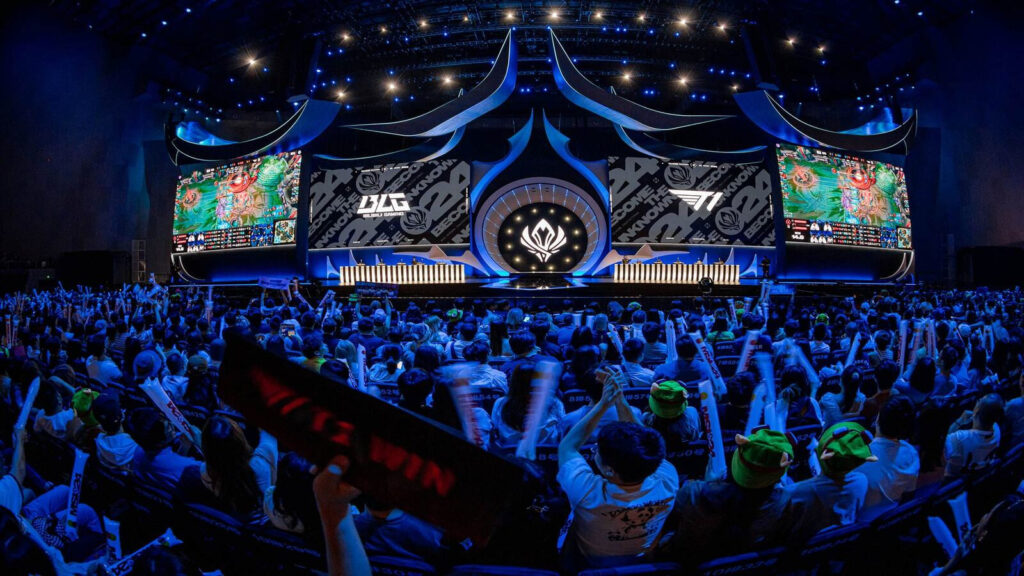
Esports has entered a new golden age in 2025. What was once seen as a niche entertainment industry is now a billion-dollar ecosystem with global recognition. Competitive gaming is not only dominating arenas but also influencing mainstream culture, technology, and even education.
For fans, the rapid changes can feel overwhelming — new leagues, game releases, sponsorship deals, and tech innovations appear almost every month. That’s why staying on top of the latest esports updates is more important than ever. Whether you’re a pro gamer, a casual fan, or a streamer, knowing the newest shifts can help you understand where competitive gaming is heading.
Here are six major esports updates in 2025 you simply can’t afford to miss.
1. Global Esports Leagues Consolidate for Bigger Prize Pools
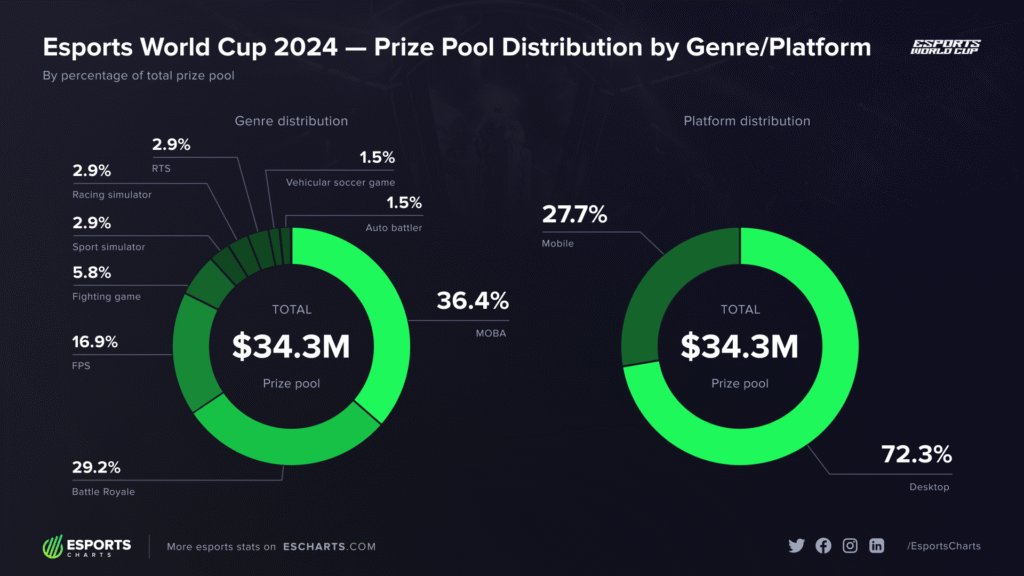
One of the biggest esports updates of 2025 is the consolidation of regional leagues into unified global competitions. Instead of fragmented regional play, top games like League of Legends, Valorant, and CS2 now operate under umbrella leagues with bigger prize pools and more international tournaments.
- Mega Prize Pools: Top-tier competitions now offer upwards of $30 million in total rewards.
- Cross-Region Rivalries: Teams from Asia, Europe, and North America face each other more frequently, raising skill levels.
- Sponsorship Booms: Global sponsors like car manufacturers and tech giants are pumping money into unified leagues.
This update signals the maturing of esports into a truly global sport, one that can compete with traditional leagues like football and cricket.
2. AI Coaches Are Now Mainstream in Competitive Gaming
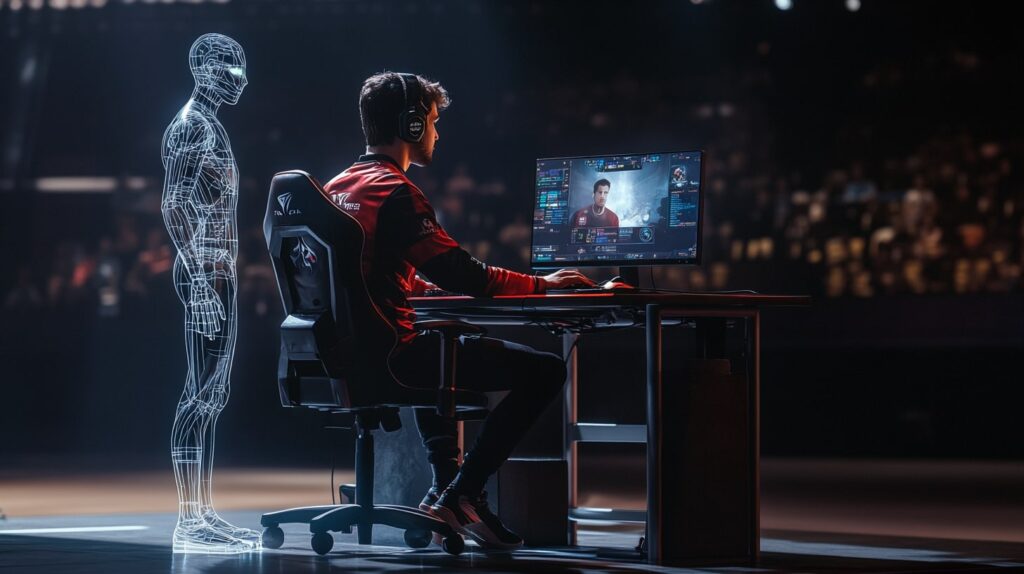
AI has been creeping into esports for years, but in 2025, it’s become mainstream. Teams now use AI coaching assistants to analyze opponents, predict strategies, and provide real-time performance adjustments.
- Live Match Insights: AI tools break down plays instantly, offering counter-strategies mid-game.
- Player Development: AI tracks reaction times, accuracy, and decision-making to help players improve.
- Accessibility: Even amateur players now use AI coaches integrated into gaming platforms.
For many, this is the most exciting esports update of the year. It levels the playing field, making pro-level coaching accessible to everyday gamers, while also pushing pros to new performance heights.
3. Esports in the Olympics – A Historic Breakthrough

Perhaps the most headline-grabbing esports update is the announcement that esports will feature as an official demonstration event in the 2028 Olympics, with qualifiers beginning in 2025. Games like Rocket League and Street Fighter will be showcased, while larger titles are expected to follow.
- Cultural Legitimacy: Esports is now officially recognized alongside traditional sports.
- National Representation: Players will represent their countries, not just organizations.
- Mainstream Coverage: Expect esports to dominate global TV and streaming broadcasts during Olympic events.
This move cements esports as more than entertainment — it’s now part of global athletic competition.
4. Mobile Esports Surge in Developing Nations
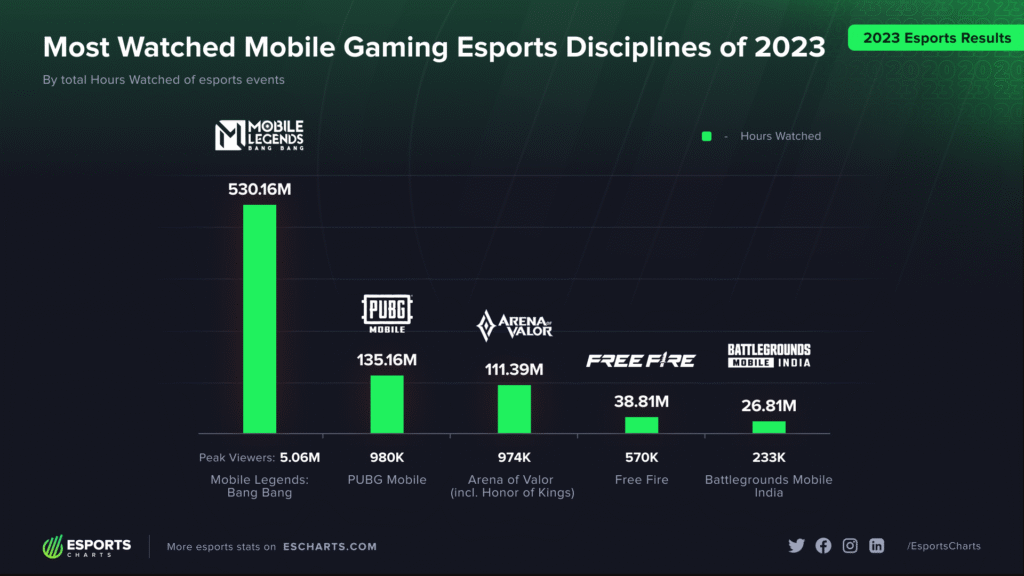
One overlooked but vital esports update in 2025 is the growth of mobile esports. In countries like India, Brazil, and Indonesia, mobile titles such as PUBG Mobile, Free Fire Max, and Arena of Valor dominate tournaments.
- Affordable Accessibility: Mobile gaming is cheaper than PC setups, widening participation.
- Massive Audiences: Mobile esports finals in Asia now attract 10+ million live viewers.
- New Sponsorship Opportunities: Telecom companies and smartphone brands are leading sponsors.
This trend shows esports isn’t only about high-end PCs and consoles — mobile is creating the largest player base in history.
5. Virtual Reality Esports Leagues Gain Momentum
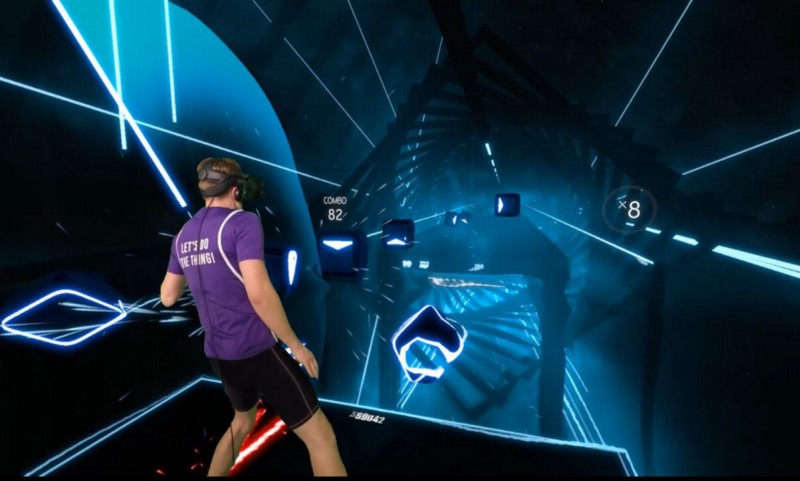
VR has always been “the future,” but in 2025, it’s finally starting to shine in esports. Titles like Echo Combat VR and Arena X now have their own leagues with competitive followings.
- Immersive Gameplay: VR esports offers a physical and mental challenge, bridging gaming and athletics.
- Growing Accessibility: Affordable VR headsets have made participation easier for regular players.
- Spectator Appeal: VR esports are broadcast with dynamic camera angles, making them exciting to watch.
While VR isn’t mainstream yet, its inclusion in 2025 esports updates proves it’s gaining traction and may become a dominant format by 2030.
6. Esports Scholarships & Education Programs Expand
The final esports update transforming the landscape in 2025 is the massive expansion of esports in education. Universities and colleges worldwide are offering esports scholarships, training facilities, and degrees in gaming-related fields.
- Career Opportunities: Beyond playing, students learn about broadcasting, event management, and esports law.
- Inclusion & Diversity: Scholarships are encouraging wider participation across genders and backgrounds.
- Legitimacy in Academia: Esports is now treated as seriously as traditional sports in academic environments.
This educational expansion ensures esports has a long-term pipeline of talent — not only in players but in managers, coaches, and industry leaders.
Why These Esports Updates Matter
Each of these six breaking esports updates points to one thing: competitive gaming is no longer a side activity — it’s a global phenomenon. From AI coaching to Olympic recognition, 2025 marks a pivotal year where esports has moved into mainstream culture with undeniable force.
For fans, these updates mean bigger events, better competition, and more ways to get involved. For players, they mean improved training, new opportunities, and greater rewards. And for the industry, they signal unstoppable growth.
Esports Updates and Why 2025 Feels Different
In the last decade, esports has gone from grassroots tournaments in crowded LAN cafés to stadium-filling spectacles streamed to millions. Yet 2025 feels distinctly different. This year’s esports updates are not just incremental — they represent transformative shifts in how the industry operates, how players compete, and how audiences engage.
What sets 2025 apart? Three things: scale, technology, and legitimacy. Scale refers to the ever-growing audiences, now comparable to traditional sports. Technology refers to AI coaching, VR competitions, and cross-platform expansion. And legitimacy is tied to mainstream recognition, such as esports entering the Olympics and universities worldwide creating esports scholarships.
Let’s explore these six breaking updates in far greater detail, unpacking their implications for players, fans, and the broader competitive ecosystem.
Global Leagues and the Era of Mega Tournaments
When you think about esports in 2025, the headline is simple: the leagues are bigger, bolder, and truly global.
Back in 2018 or 2019, most esports ecosystems were fragmented. You had regional leagues for League of Legends in North America (LCS), Europe (LEC), China (LPL), and Korea (LCK). While these were exciting, international competition only came at seasonal finals like MSI or Worlds.
The latest esports updates has flipped this model. Now, instead of four regional silos, major publishers are consolidating into global ecosystems where top teams play each other year-round.
- Unified Prize Pools: Instead of splitting rewards across regions, publishers combine funds to create mega-prize tournaments. Some pools now rival or surpass The International (Dota 2), which long held records.
- Cross-Cultural Rivalries: Fans can now watch North American organizations battle Asian giants in the regular season, creating continuous hype.
- Player Pathways: Talented individuals from smaller regions get easier entry into the global stage, expanding diversity.
A case in point: the Valorant World Circuit 2025. Riot Games merged all regional leagues into a single system, producing a nonstop season with teams traveling worldwide. The result? Higher stakes, bigger storylines, and a genuine “World Cup” feel throughout the year.
This globalization isn’t without challenges — travel fatigue and visa restrictions are real issues — but the positives far outweigh the negatives. For fans, it means better storylines. For sponsors, it means worldwide exposure. And for players, it means proving themselves against the very best more consistently.
AI Coaching: The Rise of Digital Strategists
Perhaps the most exciting esports update of 2025 is how artificial intelligence has become an essential part of competitive play.
Previously, coaches relied on manual replays, spreadsheets, and intuition to guide their teams. Today, AI does the heavy lifting, analyzing thousands of scenarios in seconds.
- Opponent Prediction Models: AI tracks how rival teams play, predicting strategies before matches even begin.
- Real-Time Coaching: During scrims, AI assistants flag errors instantly — whether a mistimed ultimate in Overwatch or poor macro decision in League of Legends.
- Skill Optimization: For individual players, AI tools measure reaction speed, click precision, and map awareness, then recommend drills for improvement.
One standout case study: the Korean StarCraft II team DragonStorm integrated AI training modules in 2024. By 2025, their players had cut decision-making lag by 20%, a massive advantage in a game where milliseconds matter.
This isn’t limited to pros. Casual players now access AI coaching apps built into platforms like Steam or Xbox. Imagine playing Counter-Strike 2 and receiving live analysis on your crosshair placement or grenade usage. Suddenly, everyday gamers are training like professionals.
The debate around AI coaching raises questions too: Will it create unfair advantages? Should tournaments regulate how much AI input is allowed? Regardless, the momentum is unstoppable — AI is here to stay, shaping the future of competitive gaming.
Esports in the Olympics: A Historic Turning Point
Among all the esports updates, none carry more cultural weight than Olympic inclusion. The International Olympic Committee confirmed in 2025 that esports will be a demonstration sport in 2028 Los Angeles, with qualifiers beginning this year.
This is monumental for several reasons:
- National Representation: Unlike club-based esports, Olympic competition lets players wear their nation’s flag. Imagine Team Japan facing Team USA in Rocket League under Olympic lights — the pride and emotion are unmatched.
- Mainstream Validation: For skeptics who dismissed gaming as “not a real sport,” Olympic recognition ends the debate.
- Massive Audience Expansion: Billions who never tuned into Twitch might now watch esports on mainstream television.
Already, national training centers are being set up. Countries like South Korea and China are pouring resources into building Olympic esports updates squads. Western nations are following suit, realizing the marketing potential of medals.
For younger gamers, this is inspiring. They no longer dream only of lifting a World Championship trophy but also of standing on the Olympic podium. That’s how transformative this single esports updates is.
Mobile Esports: Powering Growth in Developing Nations
When we talk about esports, we often picture PCs and consoles. But the most important esports updates in 2025 is the explosion of mobile esports.
In India, Brazil, Indonesia, and Africa, mobile games dominate because smartphones are cheaper and more accessible than high-end rigs. Titles like PUBG Mobile, Free Fire Max, Arena of Valor, and Mobile Legends are generating viewership numbers rivaling PC tournaments.
Consider this: the Free Fire World Series 2025 had over 12 million peak concurrent viewers, surpassing most PC titles.
What makes mobile esports so impactful?
- Accessibility: Anyone with a smartphone can join grassroots tournaments.
- Local Sponsorships: Telecom companies and handset makers invest heavily in community events.
- Mass Audiences: Families gather to watch finals, turning matches into cultural festivals.
This update democratizes esports. It’s no longer dominated by wealthy regions; it’s a global activity where emerging markets lead innovation and growth.
Virtual Reality Esports: The New Frontier
VR esports has long been “on the horizon,” but in 2025, it’s finally gaining traction. Titles like Arena X and Echo Combat VR now have established leagues with dedicated fan bases.
What’s different this time?
- Affordable Hardware: VR headsets like the Meta Quest 5 and Sony VisionX are cheaper, more lightweight, and wireless.
- Spectator Appeal: Broadcasts use cinematic angles, making VR esports thrilling to watch.
- Physical Challenge: Unlike traditional gaming, VR demands real movement, adding athletic intensity.
One VR highlight of 2025 was the Arena X Invitational, where players sprinted, ducked, and climbed in real time while fans watched through 360° streams. Viewership broke records for a VR event, proving the format can be both competitive and entertaining.
While VR esports isn’t replacing PC or mobile soon, its growth is undeniable. This esports update hints at a hybrid future where physical activity and digital competition merge.
Esports Scholarships and Academic Integration
The final esports update of 2025 shaping the landscape is the integration of gaming into academia. Universities worldwide now offer scholarships not just for players but also for managers, broadcasters, and event organizers.
- Professional Pathways: Students study esports management, psychology, and law.
- Inclusivity: Scholarships encourage participation across genders and marginalized communities.
- Legitimacy: Esports is no longer a distraction from studies — it’s a career path.
One inspiring example comes from the UK, where the University of Warwick launched an esports degree with 100% graduate employment in industry roles. In the U.S., Division I colleges now offer esports scholarships equivalent to football or basketball.
This ensures esports has a sustainable future pipeline of talent across all roles, making the industry more professional than ever.
Fan Experience: How Esports Updates Affect Audiences
While these esports updates transform the pro scene, they also change what it means to be a fan. In 2025, fans engage with esports in ways unimaginable a few years ago:
- Interactive Streams: AI-driven stats let viewers see predictions and probabilities live during matches.
- Augmented Reality Spectating: Fans in arenas use AR glasses to see player stats floating above teams in real time.
- Community Ownership: Blockchain and Web3 projects let fans invest in teams, sharing profits and decision-making.
For fans, esports has become a lifestyle — blending entertainment, socializing, and even financial participation.
The Economic Impact of Esports Updates in 2025
Esports is now a multi-billion-dollar industry, and each of these updates contributes to rapid growth.
- Sponsorships: Traditional companies like banks and airlines now sign multi-year deals.
- Merchandise: Smart jerseys and controllers designed for esports are booming in sales.
- Tourism: Cities compete to host mega tournaments, much like Olympic bidding wars.
This economic influence reinforces esports as not just entertainment but also a serious industry fueling jobs and innovation worldwide.
Future Predictions: Where Esports Goes Beyond 2025
Looking ahead, the latest esports updates suggest clear future directions:
- Mainstream Media Domination: Esports will sit alongside football and basketball on prime-time slots.
- Player Unions: As money grows, players will demand labor rights, contracts, and protections.
- Tech Integration: Brain-computer interfaces may appear by 2030, redefining human-game interaction.
- Global Hubs: Esports cities like Seoul, Berlin, and Los Angeles will host year-round tournaments.
- Sustainable Growth: Eco-friendly tournaments and low-carbon travel solutions will become priorities.
Esports is no longer about asking “if” it will rival traditional sports. The question now is when it will surpass them.
The Social Impact of Esports Updates in 2025
Beyond tournaments, stadiums, and technology, one of the most underrated aspects of the latest esports updates is their effect on communities and social life. These esports updates don’t just focus on competition — they shape how people connect, communicate, and find belonging in today’s digital world.
In 2025, local esports cafés, online Discord communities, and university clubs are thriving as hubs for connection. Players from different backgrounds meet, compete, and form long-lasting friendships. Thanks to continuous esports updates, gaming is no longer seen as an isolating hobby but as a bridge between diverse groups, turning competition into a shared cultural experience.
Governments in Asia and Europe have even recognized the mental health benefits of structured esports participation. Instead of demonizing gaming, they now view these esports updates as opportunities to channel young people’s passion into discipline, teamwork, and even career paths. Mentorship programs highlighted in several esports updates of 2025 showcase veteran players guiding newcomers, ensuring inclusivity, growth, and sustainability for the next generation.
Charity tournaments have also become central to the narrative. Large events like the Esports for Relief 2025 raised millions for disaster victims, and the success of these initiatives was widely celebrated in official esports updates. These examples prove that competitive gaming isn’t only about entertainment but also about making a tangible social difference.
The social impact, coupled with rapid technological progress, cements esports updates as a cultural mainstay. More than ever, the latest esports updates remind us that beyond the big headlines, the true power of gaming lies in the people who play, cheer, support, and grow together through competition.