
Why Gaming Festivities Are More Important Than Ever in 2025
The world of gaming has changed dramatically in the past decade. What used to be a niche hobby has transformed into a mainstream cultural phenomenon. At the center of this shift are gaming festivities — global events that bring together developers, players, streamers, and fans to celebrate everything gaming has to offer.
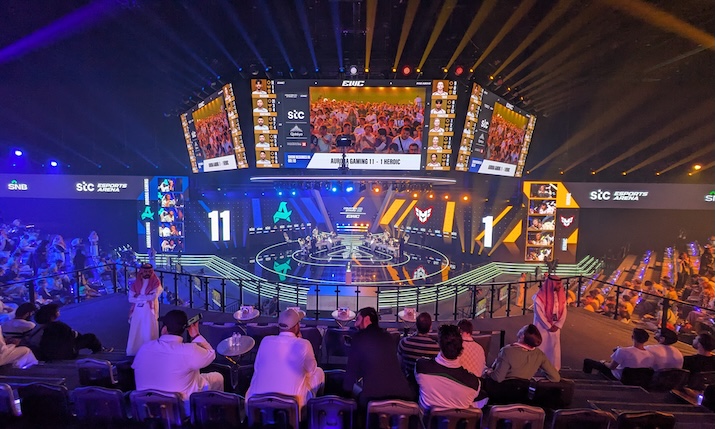
In 2025, these gaming festivities are not just about showcasing new titles. They’re about community, innovation, and immersive experiences. From massive expos drawing hundreds of thousands to specialized showcases focused on indie gems, the gaming world thrives on these festivals. They shape trends, define the future of entertainment, and capture worldwide attention.
What makes this year special is how each festival is evolving. Technology, interactivity, and storytelling have merged to create experiences unlike anything fans have seen before. Virtual reality booths, AI-powered demonstrations, holographic presentations, and player-driven showcases all dominate the spotlight.
Let’s explore 8 innovative gaming festivities in 2025 making headlines, each leaving a unique mark on the industry while boosting immersion, performance, and the overall user experience.
1. GameVerse Expo 2025: The Mega Gathering
The GameVerse Expo has long been considered the “Comic-Con of gaming,” but 2025’s edition broke all previous records. With more than half a million attendees both physically and virtually, this gaming festivity delivered innovation at every corner.
Highlights included:
- AI-driven demos: Games that adapted in real-time to player decisions during the show floor.
- Hybrid access: Fans across 120 countries joined through VR headsets, experiencing booths as though they were present.
- Esports arenas: Integrated tournaments attracted millions of viewers online, blending festival fun with high-stakes competitive energy.
GameVerse Expo 2025 proved that gaming festivities can be more than product showcases — they can be immersive cultural celebrations. The seamless fusion of physical and digital worlds set the bar for future events.
2. Tokyo Interactive Carnival 2025: Where Tradition Meets Tech

Japan has always been at the forefront of gaming, and the Tokyo Interactive Carnival 2025 elevated expectations. This year’s theme was “Tradition Meets Tomorrow,” blending Japanese cultural artistry with cutting-edge game innovation.
Key experiences included:
- Holographic performances of characters from classic JRPGs interacting with fans.
- Indie corner expansion, spotlighting small developers from Asia who introduced experimental VR storytelling.
- Anime crossover gaming showcases, where new games based on beloved series premiered to roaring excitement.
This festival is proof that gaming festivities are more than entertainment; they are cultural bridges connecting art, history, and technology.
3. Global Gamers Fest 2025: The Esports-Centric Spectacle
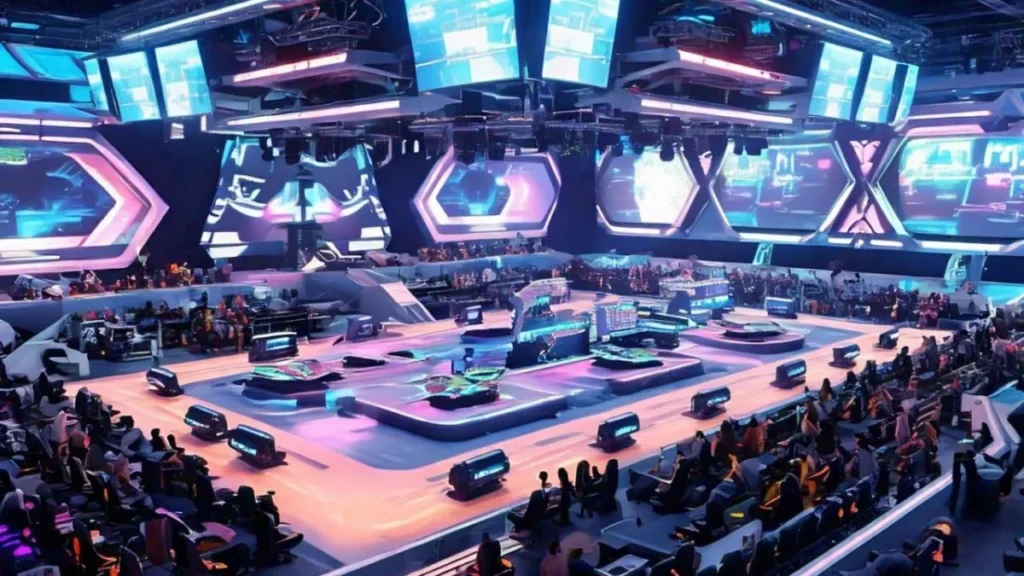
The Global Gamers Fest was entirely built around the rising wave of esports. Its 2025 edition featured not only competitions but also behind-the-scenes workshops for fans to learn about team strategies, coaching, and broadcasting.
What stood out:
- Player–fan interaction zones where aspiring gamers could train with professionals.
- VR esports arenas allowing fans to “step into” the game as participants.
- Augmented reality stats overlays giving spectators deeper insight into live matches.
Esports isn’t just about winning — it’s about entertainment. Global Gamers Fest 2025 showed how gaming festivities can become a playground where competition, education, and spectacle merge.
4. DreamHack Fusion 2025: Blurring the Boundaries
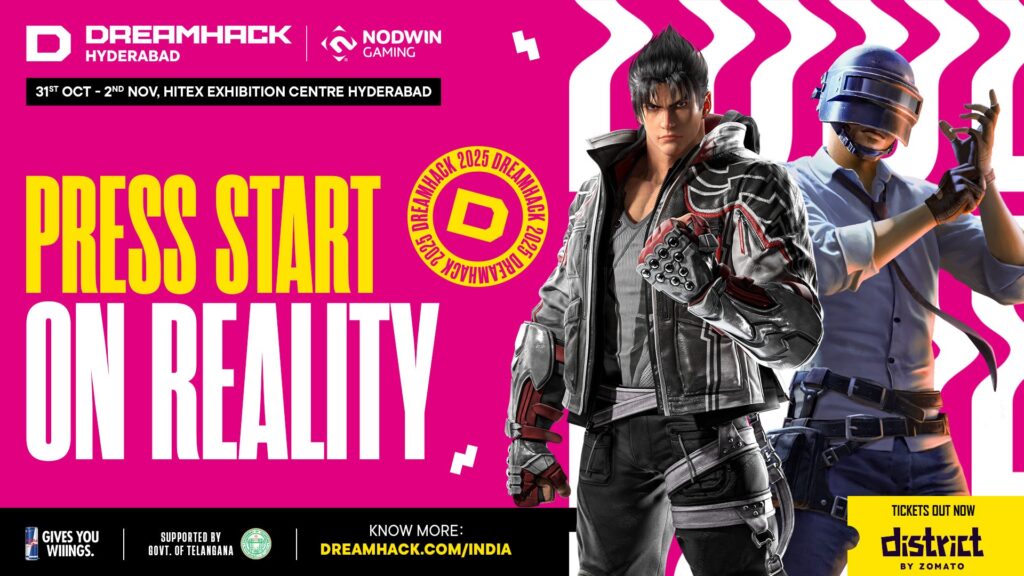
DreamHack has always been one of the biggest names in gaming festivals, but 2025’s DreamHack Fusion focused on mixing gaming with other cultural elements. It was less of a tournament and more of an all-around entertainment carnival.
The innovations included:
- Gaming x Music mashups: DJs synced their performances with live esports matches.
- Art zones where fans created murals inspired by their favorite titles.
- 24-hour LAN parties combined with AI-driven matchmaking to ensure every player found opponents at their skill level.
DreamHack Fusion 2025 demonstrated that the future of gaming festivities is not siloed but interconnected, pulling in art, music, and lifestyle.
5. Indie Horizon Festival 2025: Spotlight on Creativity
While massive expos draw headlines, the Indie Horizon Festival 2025 focused entirely on independent creators. This gaming festivity gave small studios access to global audiences and media coverage often dominated by giants.
Highlights included:
- Crowdfunding showcases, letting fans directly support developers on the spot.
- Experimental titles, like narrative games controlled through voice recognition or gesture-based mechanics.
- Networking hubs, connecting developers, publishers, and players in meaningful collaboration.
Indie Horizon proved that gaming festivities aren’t just about scale but about creativity and inclusivity. By championing indie innovation, the festival enriched the ecosystem for both developers and fans.
6. Virtual Nexus Fest 2025: The Fully Digital Festival
Perhaps the most groundbreaking gaming festivity of 2025 was the Virtual Nexus Fest. Unlike others, it took place entirely in the metaverse, requiring no physical venue at all.
What made it revolutionary:
- Customizable avatars for attendees, who explored digital booths and stages.
- AI NPC guides who explained games, provided recommendations, and even gave away in-game rewards.
- Global accessibility, enabling fans from remote locations to attend without travel costs.
Virtual Nexus Fest highlighted how digital-first festivals could become a sustainable alternative, cutting costs and environmental impact while maximizing inclusivity.
7. EuroPlay Showcase 2025: Europe’s Big Statement

The EuroPlay Showcase 2025 proved Europe is still a powerhouse in gaming culture. This year, it leaned heavily on showcasing cross-border collaborations between developers from different countries.
What drew attention:
- Pan-European tournaments that brought together talent from over 25 nations.
- AR storytelling exhibits, where fans walked through virtual recreations of in-game worlds.
- Cultural fusion panels, discussing how European art, history, and folklore inspired modern titles.
EuroPlay reinforced how gaming festivities shape identity and celebrate diversity while spotlighting Europe’s global contribution to gaming culture.
8. FuturePlay Fest 2025: The Innovation Hub

The final major gaming festivity shaking headlines in 2025 is the FuturePlay Fest. This event positioned itself as the forward-looking hub, entirely dedicated to experimental tech.
Major highlights included:
- Brain-computer interface demos, allowing players to control games through thought commands.
- Neural feedback systems to improve focus, performance, and immersion.
- Holographic esports matches, where 3D projections made competitors appear live in the arena.
FuturePlay Fest symbolized how gaming festivities are not just reflective of the present but predictive of what gaming could become in the next decade.
Why These 8 Gaming Festivities Define 2025
Each of these eight gaming festivities highlights a different aspect of where the industry is heading — globalization, inclusivity, esports growth, VR integration, indie empowerment, and technological experimentation.
Together, they reveal why 2025 is such a milestone year for gaming culture. Fans don’t just attend to see new releases; they participate in communities, learn from professionals, and even influence future trends.
The result is a gaming world where festivities are central — not side events — to the evolution of entertainment.
The Audience Experience at Gaming Festivities in 2025
One of the most exciting elements of modern gaming festivities is how they prioritize the audience. In the past, attendees were mostly passive — they watched trailers, played short demos, and collected merchandise. But the 2025 editions of these festivals have turned fans into active participants.
Fans now engage in:
- Interactive quests across venues — every attendee can join gamified treasure hunts through augmented reality apps linked to the festival.
- Customizable experiences — from VR headsets to AR glasses, fans choose how they wish to consume content, personalizing their journey through the event.
- Community building — organizers design lounges, digital hangouts, and discussion panels where fans meet like-minded players from across the globe.
This shift makes gaming festivities less of a “show” and more of an immersive playground where fans influence the energy, outcomes, and sometimes even the direction of featured games.
Economic Impact of Gaming Festivities
The financial scale of gaming festivities in 2025 is staggering. These events are no longer small industry gatherings; they are multi-billion-dollar engines fueling tourism, technology, and local economies.
Take GameVerse Expo 2025 as an example. Las Vegas, the host city, reported an economic boost of over $800 million in just one week. Hotels were sold out months in advance, local businesses thrived, and transport systems adapted to handle the massive influx of fans.
Beyond tourism, the business deals forged at these festivities are just as significant. Publishers secure international distribution contracts, indie creators find investors, and tech companies showcase hardware that reshapes the industry. The money circulating around these events sustains entire ecosystems, from developers and marketers to broadcasters and journalists.
When analyzing gaming festivities, it’s clear they are now vital economic events — as impactful as major sports tournaments or film festivals.
Technology Behind Gaming Festivities 2025
Behind the flashy booths and show-stopping trailers lies an extraordinary technological backbone. Without these innovations, gaming festivities wouldn’t be able to reach their global scale.
- AI-Powered Logistics: Managing crowds of hundreds of thousands is no small feat. Organizers now use AI to optimize everything from ticket scanning to line management. Fans receive personalized schedules on their phones, minimizing wait times.
- Holographic Displays: Stages no longer rely on flat screens. Instead, 3D holograms project characters, gameplay, and even live esports players directly into arenas, thrilling audiences.
- Virtual Integration: Fans who attend digitally don’t just watch streams — they roam through immersive 3D spaces, socialize with avatars, and even test demos in the cloud.
- Eco-Friendly Tech: Many 2025 events adopted sustainable power sources, waste-reduction systems, and eco-certified materials to reduce carbon footprints.
The technology powering these gaming festivities not only supports the events but also demonstrates how gaming leads the way in pushing global entertainment standards.
Behind-the-Scenes of Gaming Festivities
Fans see the glitz and glamour, but the behind-the-scenes of gaming festivities in 2025 is just as fascinating. Teams of hundreds — sometimes thousands — work tirelessly to ensure smooth execution.
- Event Designers: They conceptualize how each booth and stage looks, carefully balancing aesthetics and flow.
- Community Managers: These professionals handle live interactions on platforms like Twitch, YouTube, and TikTok to amplify the reach of the festival.
- Security & Safety Teams: With global crowds, safety is top priority. Advanced AI surveillance systems now scan venues for anomalies to protect fans.
- Developers and Testers: Game studios bring teams to ensure demos run flawlessly and bugs don’t crash on stage.
Behind the scenes, gaming festivities represent collaboration at its finest. Everyone — from developers to lighting engineers — contributes to creating unforgettable experiences.
The Role of Esports in Gaming Festivities
Esports is no longer a side event; in 2025, it sits at the very heart of gaming festivities. These competitions attract massive audiences, blending the thrill of sports with the interactivity of gaming.
Key features this year include:
- Amateur Tournaments: Fans don’t just watch pros; they join grassroots competitions onsite, earning prizes and recognition.
- Celebrity Showmatches: Streamers and influencers battle live, drawing in millions of viewers and creating social buzz.
- Integrated Arenas: Instead of separate stages, esports arenas are built into the festival floor, making competitive gaming part of the central attraction.
Esports has redefined how gaming festivities entertain. They’re not just conventions anymore — they’re hybrid sports events that keep fans engaged from start to finish.
Cultural Influence of Gaming Festivities
What makes these gaming festivities so powerful is their influence on culture. Gaming is no longer “just a hobby”; it shapes fashion, music, art, and even education.
At DreamHack Fusion 2025, streetwear brands collaborated with game developers to launch limited-edition collections. At the Tokyo Interactive Carnival, traditional Japanese performance art blended with futuristic gaming visuals, attracting attention from both gamers and cultural critics.
The festivals become cultural statements. They prove gaming is as significant as film, theater, or sports in defining the identity of a generation.
How Fans Prepare for Gaming Festivities
Attending gaming festivities has become a lifestyle. Fans save money months in advance, book hotels early, and build costumes for cosplay competitions. Online forums buzz with tips, from which panels to attend to how to snag exclusive merchandise.
Social media also plays a huge role. TikTok trends emerge before festivals even start, with fans speculating about announcements and sharing “wishlists” of games they hope to see. Once the events go live, hashtags dominate trending charts worldwide.
Preparation is part of the fun — an entire pre-festival season of hype that mirrors how sports fans anticipate the World Cup or Olympics.
Predictions: The Future of Gaming Festivities
Looking forward, where will gaming festivities evolve by 2030? Several trends are already forming:
- Brain-Computer Interfaces: Future festivals may let fans test prototypes where thought commands replace controllers.
- AI-Generated Worlds: Events could build entire playable landscapes designed by AI for fans to explore live.
- Global Synchronization: Instead of separate expos, festivals may be hosted simultaneously across multiple cities connected by holograms.
- Increased Inclusivity: Accessibility features will ensure everyone, including differently-abled gamers, can fully participate.
- Expanded Metaverse Access: Fully virtual festivals will become as prestigious as physical ones, reaching billions instead of millions.
The future of gaming festivities isn’t about replacing what exists but enhancing it with deeper immersion, broader inclusivity, and stronger global unity.
Why Gaming Festivities Matter More Than Ever
In conclusion, the eight innovative gaming festivities of 2025 show us just how powerful these events have become. They shape technology, drive economies, foster community, and elevate gaming into a cultural force that rivals any form of entertainment.
For fans, these festivals are more than events; they are life-changing moments filled with discovery, friendship, and inspiration. For developers, they are essential platforms for storytelling and innovation. And for society as a whole, they are proof that gaming is not a passing trend but a permanent part of human culture.
2025 will be remembered as the year gaming festivities transformed into something larger than life — immersive, inclusive, and unforgettable.
The Emotional Connection at Gaming Festivities
What truly sets gaming festivities apart in 2025 isn’t just the technology or flashy announcements — it’s the emotional bond they create between players and the industry. Fans describe these events as a once-in-a-lifetime chance to witness the passion of developers firsthand. When a long-awaited trailer drops, the crowd erupts in cheers, and strangers high-five like lifelong friends.
This shared excitement builds a powerful sense of belonging. Many attendees claim that gaming festivities are where they feel most accepted and understood. For introverted players who often find it hard to socialize, the atmosphere provides a safe, welcoming space to meet like-minded people.
Developers also feel this emotional connection. Studios often bring teams onstage to reveal their games, and the applause from fans validates years of hard work. These moments remind everyone that gaming isn’t only about products — it’s about creativity, passion, and shared joy.
The emotional layer of gaming festivities makes them more than conventions or expos. They are collective celebrations of identity, culture, and dreams. That’s why every year, millions of fans travel across continents or log in virtually to be part of them — because they know they will leave not only with new game updates but with unforgettable memories and relationships.
Lasting Memories from Gaming Festivities
One of the most powerful aspects of modern gaming festivities is the memories they create. From cosplayers showing off months of hard work to surprise game announcements that bring entire audiences to their feet, these experiences linger long after the event ends. Attendees often share stories online, building digital scrapbooks that extend the life of the celebration. In 2025, gaming festivities are no longer one-day spectacles; they’re living experiences that continue to inspire conversations, friendships, and excitement throughout the year.