
Across the world, Premier Esports Gatherings in 2025 are reshaping how competitions unfold, how audiences engage, and how professional gamers experience their craft. These events go beyond being tournaments; they are celebrations of digital culture, uniting technology, artistry, and performance on one grand stage.
Let’s dive into the five premier esports gatherings that are driving the future of competitive gaming this year, redefining how esports is experienced on a global level.
1. The Global Esports Summit 2025 – Where Innovation Meets Competitive Excellence
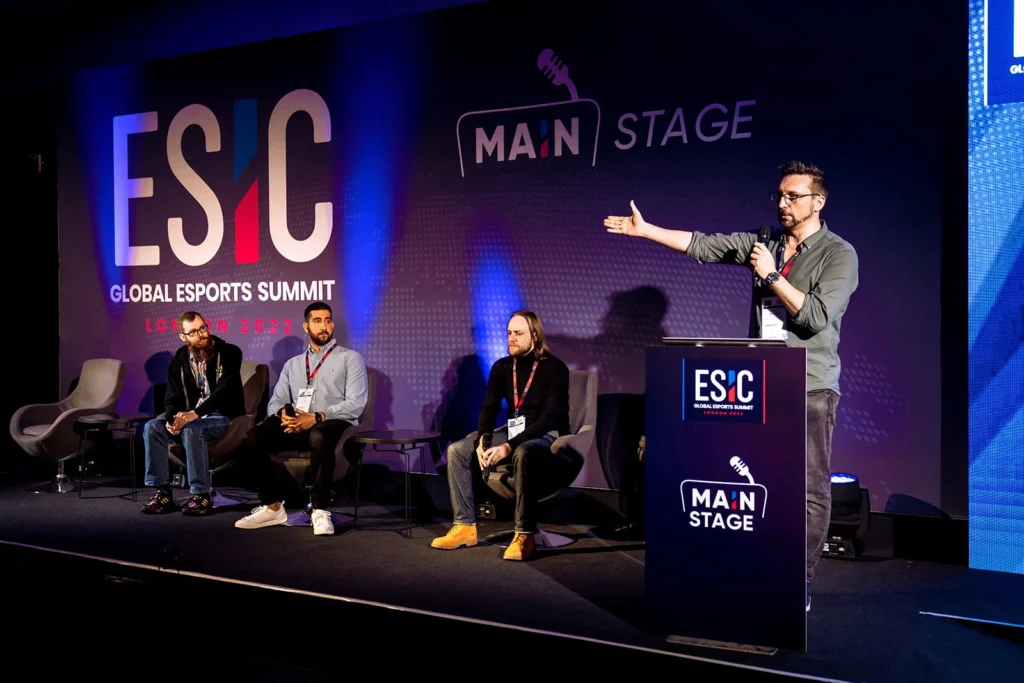
The Global Esports Summit 2025, hosted in Seoul, South Korea, stands as the most influential event shaping the esports world. Often referred to as the “brain of the gaming world,” this summit combines competitive tournaments with deep discussions on innovation, esports policy, and technological advancement.
Developers, team owners, event organizers, and pro players converge here to discuss the future of virtual competition — covering AI integration, next-gen training systems, and advanced analytics tools. The summit emphasizes the merging of competition and intelligence, making it a landmark in digital sports.
Spectators are treated to live tournaments featuring powerhouse games like Valorant, League of Legends, and Counter-Strike 2. Panels on virtual coaching, AI-driven audience experiences, and sustainability in esports make the event as educational as it is thrilling.
Beyond gameplay, the summit demonstrates how data-driven decisions and digital ethics are influencing modern esports — transforming it into a professional field as credible as any traditional sport.
2. DreamHack Fusion 2025 – The Celebration of Community and Creativity
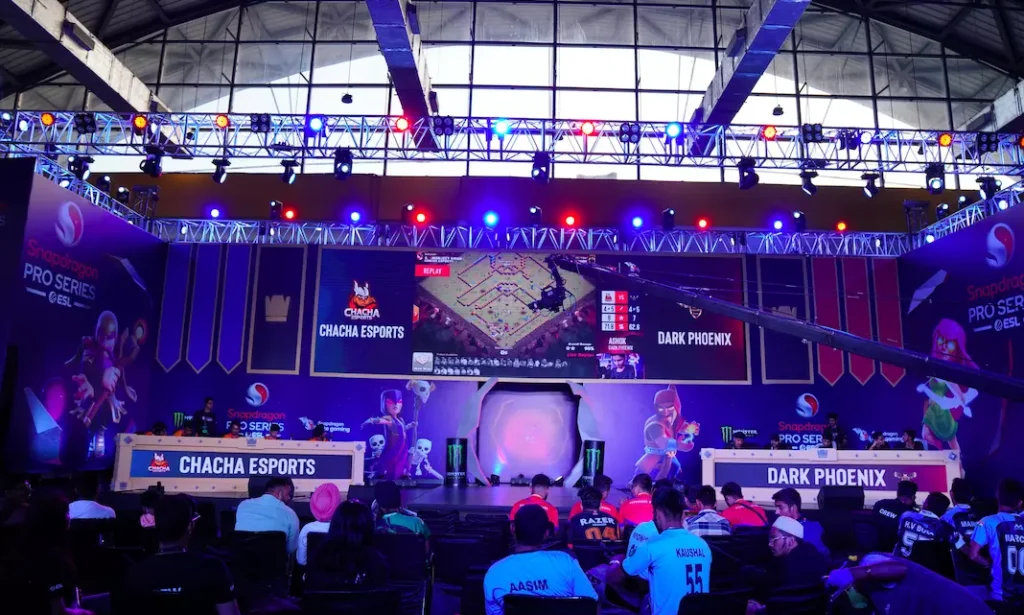
If one event embodies the heart and soul of global esports, it’s DreamHack Fusion 2025. Originating from Sweden and now spread across multiple continents, DreamHack has evolved into a festival that celebrates gaming, music, technology, and creative freedom.
This year’s edition, titled Fusion, introduced an interconnected experience where attendees move seamlessly between digital and physical worlds. Esports tournaments are hosted alongside VR galleries, indie showcases, and live musical acts — turning gaming into a complete lifestyle event.
Players compete in high-stakes showdowns, but what truly sets DreamHack apart is its community-driven culture. Whether you’re a casual gamer, a cosplayer, or a streamer, DreamHack is your playground.
In 2025, DreamHack Fusion integrated AI-assisted spectator modes, allowing fans to personalize their viewing angles, team stats, and commentary — making esports viewing a fully customizable experience.
This innovation marks a turning point where fans no longer just watch esports — they co-create the experience in real time.
3. ESL One 2025 – Tradition Meets Transformation
When it comes to legendary esports events, ESL One is a name that commands respect. In 2025, this iconic tournament series continues to bridge the gap between esports legacy and modern innovation.
Held in Cologne, Germany, ESL One 2025 brought together over 60,000 fans in-person and millions online. The event featured high-stakes matches across Dota 2, CS2, and Overwatch 2, while also debuting new technologies that enhance fairness and engagement.
ESL introduced the “FairPlay AI Referee”, a real-time integrity system that automatically flags suspicious in-game behavior, ensuring transparency and trust. This innovation, coupled with holographic stage projections and interactive fan voting, transformed ESL One into a cinematic esports spectacle.
Beyond the competition, the 2025 edition placed heavy focus on mental health and player sustainability, offering recovery zones, nutrition support, and AI-based performance analytics to reduce burnout.
ESL One proves that esports isn’t just evolving — it’s becoming more human-centered, emphasizing both skill and well-being.
4. EVO World Championship 2025 – The Arena of Fighting Legends

For fighting game enthusiasts, the EVO World Championship 2025 in Las Vegas remains the spiritual home of competitive combat gaming. But this year, EVO transcended expectations by merging physical competition with digital integration.
Participants from over 80 countries competed in titles like Tekken 8, Street Fighter 6, and Mortal Kombat 1, but the biggest innovation came in the form of real-time biometric streaming.
This system displayed heart rates, stress levels, and focus indicators during live matches — giving fans unprecedented insight into the psychology of competition. Watching a player’s pulse spike mid-combo created an intimate connection between competitors and audience.
EVO also launched the EVO Academy, a mentorship initiative where legendary players train newcomers in both mechanics and mindset, ensuring the next generation of esports fighters thrives.
By fusing emotion, mentorship, and cutting-edge tech, EVO 2025 redefined the fighting game scene — proving that esports isn’t just about reflexes, but about resilience and human emotion.
5. The Esports World Congress 2025 – The Future Blueprint
Culminating the year’s calendar is the Esports World Congress 2025, an event that brings together the brightest minds and biggest brands in the gaming universe.
Hosted in Dubai, this year’s Congress focused on global collaboration, sustainability, and economic expansion within esports. The event is a hybrid platform, featuring keynote speeches, business summits, and world-class tournaments that draw global attention.
Topics like blockchain in esports, cross-realm competitions, and AI-driven event logistics dominated discussions. Governments and corporate giants shared visions for esports ecosystems that create jobs, reduce carbon footprints, and foster international partnerships.
But the real highlight was the Global Esports Cup, a multi-genre championship bringing together top teams from every region under one banner. The event’s production scale rivaled the Olympics — showcasing just how massive esports has become.
The Congress proved one powerful truth: esports is no longer the future — it’s the present. And these gatherings are ensuring its growth is sustainable, inclusive, and globally connected.
The Unifying Pulse of Esports Gatherings
Across all these premier gatherings, one message rings clear — esports has become the universal language of a digital generation. Whether it’s Seoul’s innovation, Las Vegas’ emotion, or Dubai’s vision, every event contributes to the global narrative of unity through competition.
These esports gatherings demonstrate how digital entertainment can inspire teamwork, discipline, and passion — values that mirror traditional sports yet transcend geographical boundaries.
As 2025 continues, we see the convergence of esports with education, culture, and business — opening opportunities for creators, developers, and aspiring pros. The evolution of esports gatherings shows that the future of gaming isn’t just about who wins or loses — it’s about how gaming connects humanity.
The Economic Power of Esports Gatherings
In 2025, the esports ecosystem has moved beyond entertainment—it’s become a serious economic powerhouse. The premier esports gatherings of this year are generating billions in combined global revenue through sponsorships, merchandising, tourism, and digital streaming.
Cities that host major tournaments—like Seoul, Cologne, Dubai, and Las Vegas—are witnessing unprecedented economic boosts. Hotels fill up weeks in advance, local businesses thrive, and even airlines and food chains benefit from the influx of fans and teams traveling across continents.
Esports tourism is now an official segment in several countries. Japan, Singapore, and Poland have begun offering special travel packages that include esports event access, team meet-ups, and behind-the-scenes tours. These packages blend leisure, technology, and fandom, attracting a younger global audience eager for immersive experiences.
Major esports gatherings now work like mini-economies—each generating thousands of jobs temporarily while promoting global collaboration. From event organizers to AI stream technicians and content translators, esports events provide career opportunities in ways traditional sports once did.
The Esports World Congress 2025 particularly highlighted the growing influence of blockchain ticketing systems, allowing fans to buy verified NFT passes with lifetime event benefits. This not only increases trust and exclusivity but also ensures that the economic benefits circulate fairly within the ecosystem.
The Rise of Esports Tourism
One of the most fascinating developments in 2025 is the emergence of esports tourism as a global trend. Fans no longer attend events just to watch—they travel to experience. The excitement of standing in a packed arena, feeling the crowd’s roar as a favorite team secures victory, has become a cultural pilgrimage.
Countries are now designing esports-friendly infrastructures to accommodate this boom. Japan’s “Neo-Tokyo Gaming District” and South Korea’s “Busan Digital Hub” are perfect examples—regions built with purpose-designed stadiums, themed cafes, and interactive gaming museums.
The EVO World Championship in Las Vegas recently partnered with tourism boards to offer “Play & Stay” packages, combining hotel accommodations with tournament passes and gaming workshops. These experiences turn events into holidays, blending competitive excitement with cultural exploration.
Meanwhile, European esports festivals like DreamHack Fusion are turning into week-long celebrations that include concerts, cosplay contests, tech expos, and culinary fests. They’re not just esports tournaments anymore—they’re cultural carnivals.
The idea of traveling for esports is also creating cross-border friendships. Fans meet fellow gamers from around the world, exchange culture, and build digital communities that extend beyond the physical event. It’s this emotional connectivity that’s making esports tourism one of the fastest-growing aspects of the modern gaming economy.
AI and VR: The Tech Backbone of 2025 Gatherings
While the excitement of live competition fuels esports gatherings, artificial intelligence (AI) and virtual reality (VR) form the backbone that makes them truly futuristic.
At ESL One 2025, the introduction of AI referees revolutionized fairness. The system analyzed in-game behavior patterns to detect potential rule violations instantly—something human referees couldn’t do at that scale or speed. Similarly, VR integration allowed fans to “step inside the game,” viewing live matches as if they were players themselves.
The DreamHack Fusion 2025 experience used VR “Event Pods,” where spectators could explore virtual arenas and interact with others from anywhere in the world. This hybrid model ensures inclusivity—fans unable to attend physically can still be part of the energy.
Esports events now also employ AI-driven emotion recognition systems to gauge crowd reactions and adjust lighting, sound, or camera focus dynamically. This creates a symbiotic loop where audience engagement directly shapes the live experience.
Developers have even begun experimenting with AI-based predictive commentaries, offering real-time analysis during streams—enhancing education for viewers while entertaining them.
The result? Esports gatherings in 2025 feel more like living worlds than static tournaments. Every viewer becomes part of the system, every cheer impacts the energy, and every moment feels interactive.
Cultural Impact: Esports as the New Social Fabric
What once started as niche gaming competitions has evolved into a global social movement. Esports gatherings today function as modern cultural festivals, uniting people across backgrounds, languages, and continents.
In 2025, esports has officially entered mainstream cultural consciousness. Major universities offer esports management degrees, national teams compete under their country’s flag, and millions tune in to esports the way earlier generations watched football or cricket.
Premier esports gatherings reflect this cultural rise. The Global Esports Summit emphasized inclusivity through its “Women in Esports” forum, empowering female gamers, managers, and developers to lead the industry forward. Events now prioritize accessibility, providing adaptive technologies for differently-abled gamers and streamers.
Social media integration has also turned fans into co-creators of these events. Through live polls, fan art contests, and virtual shoutouts, esports audiences influence outcomes, aesthetics, and narratives—creating a participatory culture that blurs the line between player and spectator.
These gatherings demonstrate that esports is not just digital entertainment—it’s a social connector, a way for young people to express identity, ambition, and belonging in the modern era.
Esports and Education: The Skill Pipeline
Another powerful trend emerging from these premier events is the integration of education and esports. The line between professional gaming and professional learning has started to fade.
At the Esports World Congress 2025, educational programs and esports academies were introduced to train the next generation of analysts, broadcasters, and digital event managers. Universities like Stanford, Seoul National, and Singapore Polytechnic now have partnerships with esports organizations, offering real-world internship experiences during global tournaments.
Students learn technical broadcasting, event logistics, and even data-driven coaching, where machine learning tools help analyze gameplay for improvement.
These programs show that esports isn’t just about gaming—it’s about developing critical, transferable skills: teamwork, strategic thinking, communication, and emotional resilience.
In many countries, esports scholarships now rival traditional sports funding, with governments acknowledging the industry’s potential to foster discipline and technological literacy among youth.
Sustainability and Responsibility in Modern Esports
The push toward sustainability has become another defining trait of 2025’s esports gatherings. Events like the DreamHack Fusion 2025 and Esports World Congress are leading the way in reducing carbon footprints through energy-efficient setups, digital ticketing, and eco-friendly merchandise production esports gatherings
Solar-powered venues, reusable materials, and AI-optimized logistics reduce waste while improving efficiency. The EVO World Championship 2025 even partnered with environmental NGOs to launch “Play Green,” a campaign encouraging gamers to contribute to reforestation projects esports gatherings
These initiatives show how esports can be both technologically advanced and environmentally conscious, setting a positive precedent for other industries.
The Rise of Hybrid Events: The Future Model
Post-2025, esports gatherings are increasingly adopting hybrid formats—blending live physical presence with virtual accessibility. This model ensures global reach while maintaining the irreplaceable thrill of live competition esports gatherings
For instance, fans attending ESL One 2025 in person experienced the intense arena atmosphere, while remote fans joined through VR rooms equipped with interactive holographic interfaces. The immersive tech allowed players, casters, and fans to connect without borders esports gatherings
Hybrid models also democratize access—allowing fans from smaller nations or regions without large arenas to still participate in esports communities. This inclusivity aligns perfectly with the global spirit of the digital age, making esports a truly universal platform esports gatherings
In the coming years, we’ll see even more crossovers—perhaps AI-hosted virtual arenas or blockchain-based community ownership of events. These developments will ensure that esports gatherings remain at the forefront of digital innovation.
The Future Ahead: Unity Through Digital Play
Looking ahead, esports gatherings are becoming the new Olympic arenas of the digital generation. Every summit, expo, and tournament serves as both competition and collaboration—a reminder that technology can unite rather than divide esports gatherings
By 2030, experts predict esports audiences will surpass all major traditional sports combined, and the 2025 gatherings are laying that foundation. These events aren’t just celebrating victories; they’re crafting a global culture of creativity and shared purpose.
What started as simple LAN parties and amateur meetups has grown into multi-billion-dollar events shaping careers, economies, and identities. And as AI, VR, and human emotion continue to blend, esports will evolve into an even more powerful expression of human connection esports gatherings
Every esports gathering is now a story—of innovation, resilience, and unity. The players may compete for trophies, but the world watches for inspiration esports gatherings
As we move beyond 2025, the Premier Esports Gatherings are poised to transform from annual competitive showcases into year-round ecosystems of global collaboration. The evolution of these events marks a significant leap in how we perceive gaming—not just as entertainment, but as a legitimate industry, culture, and lifestyle esports gatherings
One of the most fascinating aspects is the integration of education and esports. Universities worldwide are now offering esports management, broadcasting, and analytics programs. Partnerships formed during premier gatherings are enabling students to intern with professional teams and event organizers. For instance, at events like The Global Esports Leadership Forum 2025, top executives discussed sustainable models for integrating esports into academic and career pathways. These initiatives are helping bridge the gap between passion and profession for thousands of young aspirants esports gatherings
The AI-powered spectator experience is another breakthrough. Intelligent viewing systems are being designed to personalize the broadcast for each viewer. Depending on the viewer’s interest—strategy, player stats, or highlight reels—the system tailors live content accordingly. This is a game-changer for fans who crave deeper engagement rather than just passively watching matches.
Meanwhile, social inclusion remains a cornerstone of the future of esports gatherings. Events are increasingly focusing on accessibility—subtitles, language translation, and adaptive controllers are becoming the norm. The goal is simple: make sure everyone, regardless of ability or background, can enjoy and participate in esports at the same level.
Moreover, the fusion of real-world and digital entertainment continues to rise. Imagine walking into a convention center and seeing holographic commentators, 3D interactive leaderboards, and AI coaches analyzing your gameplay in real time. These futuristic setups aren’t science fiction anymore—they’re active prototypes seen at the Tokyo Esports Metaverse Summit 2025 and London Digital Play Expo 2025.
Looking ahead, Premier Esports Gatherings 2025 have proven that the line between gamer, spectator, and creator is blurring. The events of today are incubating the technology, talent, and vision that will define gaming for the next decade.
Esports is no longer a subset of gaming; it is the epicenter