
By Game Glitch / September 27, 2025
he esports industry has grown from being a small niche into a global powerhouse of entertainment, competition, and community. With millions of players, viewers, and fans around the world, the concept of esports community growth has become more than just a trend; it is the foundation for how this sector thrives. Esports communities are not only bringing gamers together but also driving deeper levels of player engagement and viewer loyalty. This powerful synergy helps sustain the ecosystem, create memorable experiences, and support the long-term future of competitive gaming.
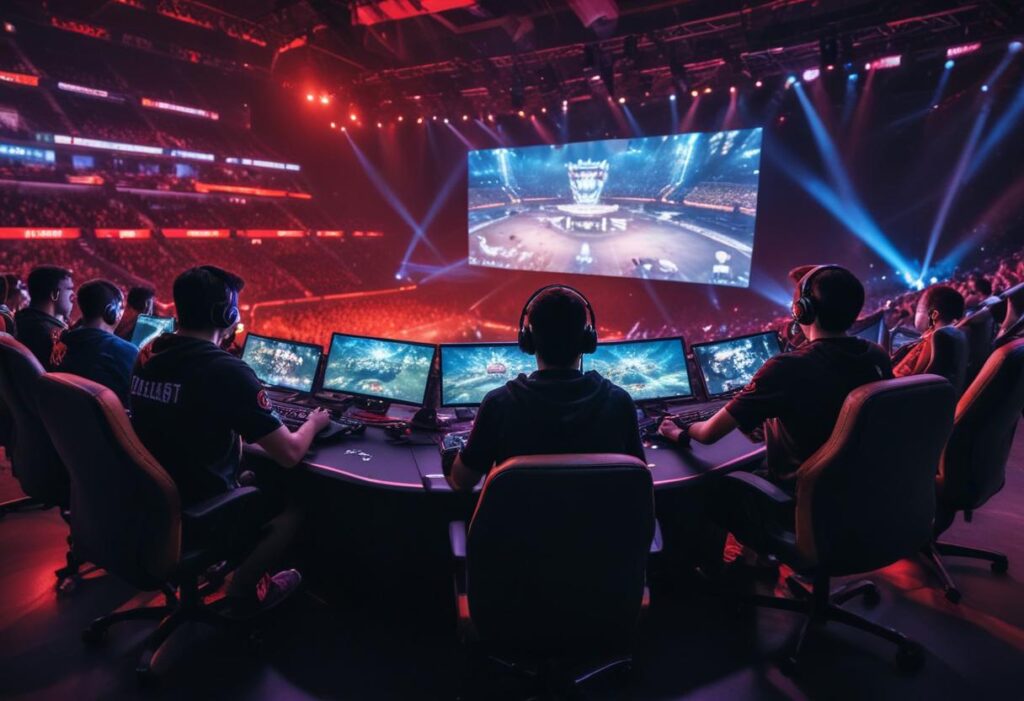
In this blog, we will explore five crucial ways esports community growth boosts player engagement and viewer loyalty. Along the way, we’ll highlight how online gaming communities, tournaments, and digital platforms play vital roles in connecting fans and players worldwide.
The Power of Esports Communities
The modern esports ecosystem is built around communities. Whether it’s through Discord servers, Reddit threads, Twitch chats, or official tournament fan hubs, communities foster connections that extend far beyond just playing or watching a game. Unlike traditional sports, where fans often engage in-person at stadiums, esports communities thrive online, enabling millions of people to connect in real time across the globe.
Communities in esports provide spaces where players and fans can share experiences, strategies, highlights, and emotional moments. This sense of belonging is what drives engagement and builds loyalty. When people feel like they are part of something bigger, they are more likely to remain connected to the game, the teams, and the players.
1. Creating Interactive Spaces for Deeper Engagement
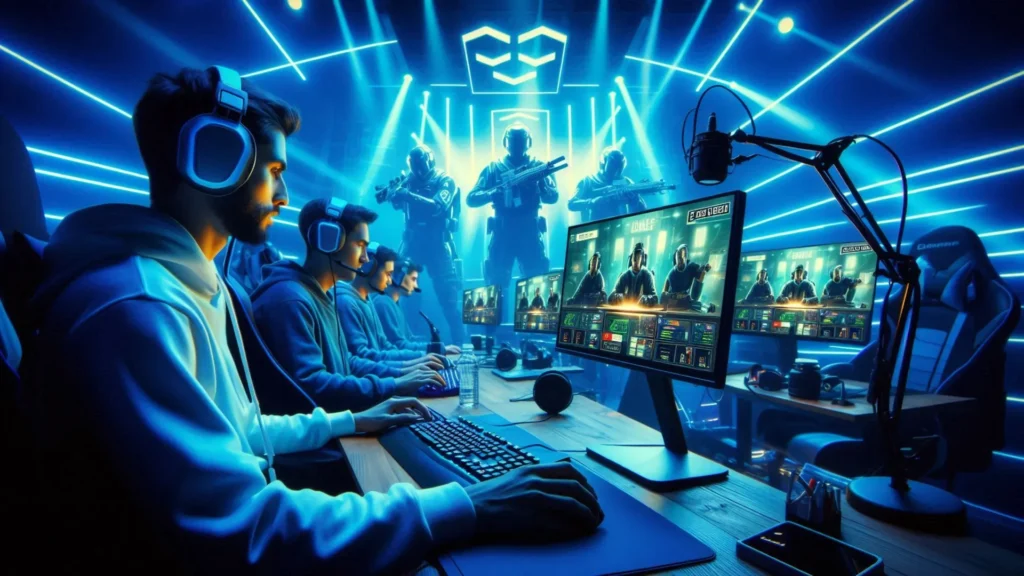
One of the most important ways esports community growth boosts player engagement is by creating interactive spaces. These are platforms where fans and players can connect, chat, and share. Examples include Discord servers dedicated to specific games, fan-run forums, or interactive streams on Twitch and YouTube Gaming.
When fans can interact directly with professional players, content creators, and other members of the community, it creates a unique level of engagement. Unlike traditional sports, where players and fans are separated by physical distance and restricted access, esports provides closer connections. Viewers can ask questions during live streams, join community games, or even compete in smaller tournaments alongside their favorite personalities.
This direct interaction not only keeps fans engaged but also fosters stronger loyalty. The more a fan feels recognized within the community, the more likely they are to remain dedicated to supporting that game, event, or team.
2. Building Long-Term Emotional Connections
Emotions are a powerful driver of loyalty. Esports communities provide countless opportunities for fans and players to form emotional bonds. From cheering on underdog teams in international tournaments to celebrating record-breaking performances, these experiences create long-lasting memories.
Esports community growth nurtures these emotional connections by creating shared narratives. Players and fans rally around specific moments: a clutch play in the finals, a dramatic comeback, or even a heartbreaking loss. When communities amplify these moments through memes, discussions, and highlights, the stories become legendary.
These emotional ties translate into viewer loyalty. Fans return to watch every match, support their favorite streamers, and stay invested in the long-term journey of the players and teams they care about. Without strong communities to reinforce these bonds, esports would risk becoming just another form of entertainment. Instead, it has grown into a passion-driven movement.
3. Encouraging Participation Through Tournaments and Events
Another powerful way esports community growth fuels engagement is through participation. Communities often organize tournaments ranging from small casual competitions to large-scale amateur leagues. These events create opportunities for players of all levels to test their skills, connect with others, and experience the thrill of competition.
Participation is one of the strongest drivers of engagement because it shifts fans from being passive viewers to active contributors. When someone competes in a tournament, even at a local or online community level, they become more invested in the game. They want to improve, share their experiences, and continue participating.
From the viewer’s perspective, watching friends, teammates, or local players compete makes the experience more personal. This drives viewer loyalty, as people feel connected not only to professional players but also to peers within their community.
4. Amplifying Content Creation and Storytelling
Another way Esports Community Growth boosts engagement is by fueling the creation of content. Content is the lifeblood of modern entertainment, and esports communities thrive on producing it in endless forms—memes, guides, live streams, highlight reels, and behind-the-scenes stories.
Content creation increases player engagement because players feel encouraged to showcase their skills, share tips, and build reputations. A Clash Royale player who uploads strategic tutorials on YouTube not only deepens their personal investment in the game but also contributes to the growth of the broader community.
For viewers, stories created by communities are what make esports meaningful. Fans love narratives of underdog victories, legendary rivalries, and emotional comebacks. Communities amplify these stories by spreading them across platforms, creating emotional bonds that reinforce viewer loyalty.
The storytelling element is vital because it transforms games from simple competitions into cultural phenomena. Fans don’t just watch matches; they follow sagas of players, teams, and even entire regions.
5. Strengthening Long-Term Loyalty Through Emotional Investment
The ultimate goal of Esports Community Growth is to turn casual players and viewers into long-term loyalists. This transformation happens when communities create emotional investment.
Players who feel supported by their guilds or teams are more likely to stick with a game, even during frustrating patches or balance changes. Likewise, viewers who emotionally identify with a team or player continue to support them across tournaments, even if they face setbacks.
This emotional loyalty is highly valuable to brands, sponsors, and game developers. It ensures that audiences remain stable, even as trends shift. For instance, League of Legends has sustained its dominance for over a decade, largely due to its strong community ecosystem. Fans remain committed year after year, attending events, watching streams, and purchasing in-game items to support their teams.
Emotional investment turns esports into more than a pastime—it becomes a lifestyle. Communities act as the glue that binds this lifestyle together.
Practical Strategies for Nurturing Esports Communities
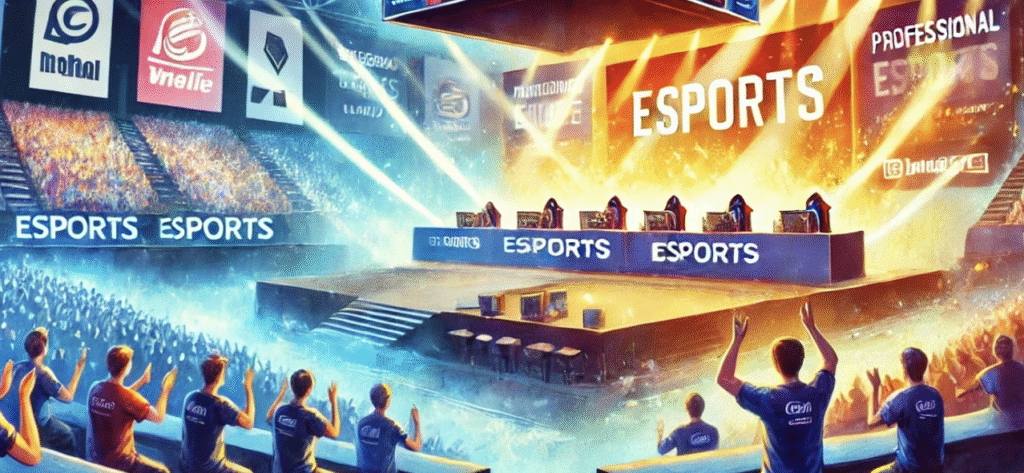
While the five core benefits are clear, developers, organizers, and brands must also take active steps to nurture communities effectively. Some proven strategies include:
- Creating dedicated platforms: Official forums, Discord servers, and community hubs give fans a central meeting point.
- Rewarding participation: Exclusive badges, in-game rewards, or shoutouts encourage active involvement.
- Supporting grassroots events: Sponsoring local or amateur tournaments strengthens community ties.
- Highlighting user-generated content: Featuring fan art, guides, or videos on official channels amplifies community voices.
- Ensuring inclusivity: Communities thrive when they are safe and welcoming for diverse groups of players.
By combining these strategies with organic growth, the esports industry can sustain engagement and loyalty for decades.
Expanding the Impact of Esports Community Growth
The five key ways in which Esports Community Growth boosts engagement and loyalty provide a strong foundation. But to fully understand its potential, we need to go beyond the basics and look at how modern technology, cultural shifts, and business models are shaping the esports ecosystem. In this extended section, we’ll explore how communities are evolving, how brands and developers can leverage them, and what the future holds for players and fans alike.
The Role of Technology in Strengthening Esports Communities
One of the driving forces behind esports community expansion is technology. Platforms like Twitch, Discord, and YouTube are the obvious pillars, but new technologies such as blockchain, AI, and virtual reality are creating fresh opportunities for engagement.
- AI-driven personalization: Communities now use AI chatbots to engage fans in real-time, suggesting matches to watch, sharing news, and providing tailored recommendations. This makes members feel valued and keeps them coming back.
- Blockchain and NFTs: Communities are experimenting with digital collectibles that strengthen identity. Fans who own exclusive NFT team badges or skins feel a deeper emotional connection. This turns casual support into long-term loyalty.
- Virtual Reality Events: The future of esports communities may involve fans gathering in VR stadiums. Imagine thousands of fans attending a digital arena to cheer in real time, chat with one another, and share virtual experiences that feel almost tangible.
Technology doesn’t just enable engagement; it multiplies it. Communities thrive because new tools remove barriers between players and fans.
Case Studies: Communities Driving Global Esports Success
To see the impact of Esports Community Growth, let’s look at real-world examples.
- League of Legends Worlds: Riot Games has mastered community building by not only hosting global tournaments but also running year-round content campaigns. Their animated shorts, music videos, and community challenges keep players engaged and viewers loyal even outside the tournament season.
- BGMI (Battlegrounds Mobile India): In India, BGMI became a cultural phenomenon largely due to community-driven tournaments. Local organizers, YouTubers, and grassroots teams built excitement that led to massive mainstream adoption. Player engagement skyrocketed because players could see people like themselves competing.
- Twitch Communities: Streamers who build active Discord servers enjoy significantly higher viewer loyalty. Viewers who interact with other fans after streams feel part of a family, not just an audience. This model has been replicated globally, proving that strong community infrastructure translates into lasting growth.
These case studies underline how esports success relies less on one-time events and more on nurturing year-round ecosystems.
How Esports Communities Drive Monetization
Beyond engagement and loyalty, esports communities are also becoming engines of revenue. Developers, organizers, and brands have discovered that loyalty translates directly into financial sustainability.
- In-game Purchases: Loyal fans are more likely to purchase skins, passes, and event tickets. Community campaigns often tie these purchases to collective goals—unlocking rewards when milestones are met.
- Merchandise Sales: Jerseys, mousepads, and collectibles sell faster when promoted within a passionate community. These items are not just products—they are symbols of identity.
- Sponsorship ROI: Brands that partner with esports teams tap into communities where loyalty is already high. For example, energy drink companies see massive returns because fans align with the lifestyle their products promote.
- Crowdfunding Models: Some tournaments now use crowdfunding where community members contribute to prize pools. The International (Dota 2) is a perfect example, with millions raised annually through fan contributions.
These models show that Esports Community Growth is not only cultural but also economic, fueling sustainability for the entire industry.
Challenges in Maintaining Healthy Communities
While growth brings many benefits, it also introduces challenges. To keep communities healthy and inclusive, esports organizations must address these issues head-on:
- Toxicity and Harassment: Gaming communities sometimes struggle with negativity. Moderation, clear rules, and AI-based filters are essential to keep spaces safe.
- Burnout Among Players: Engaged communities can put high pressure on professional players. Balancing player well-being with fan demands is critical for long-term success.
- Fragmentation: With so many platforms, communities risk becoming scattered. Centralized hubs or cross-platform integration can help unify engagement.
- Commercialization vs Authenticity: Fans can sense when brands prioritize profits over genuine community building. Sustainable growth requires authenticity at every level.
Addressing these challenges ensures that community growth does not compromise the very values that make esports appealing.
The Cultural Impact of Esports Communities
Esports communities are not only driving engagement—they are shaping culture. Young people now use gaming communities as spaces to make friends, learn teamwork, and even discover careers. Esports has created new cultural touchstones, from iconic memes to shared global events that rival traditional sports.
Communities are also fostering inclusivity. More women, LGBTQ+ players, and diverse cultural groups are joining esports spaces, broadening the industry’s reach. Inclusivity enhances loyalty because fans feel represented and respected.
In some regions, esports communities have even become social movements. For example, in Southeast Asia, mobile gaming communities have empowered rural youth with new opportunities, from content creation to professional play. This cultural relevance deepens both player engagement and viewer loyalty far beyond the games themselves.
Predictions for the Future of Esports Community Growth
Looking ahead, the role of communities will only expand. Here are five key predictions:
- Hybrid Events Will Dominate: Online and offline communities will merge, allowing fans to attend events virtually while still feeling present.
- Gamified Communities: Expect more reward systems for participation, from loyalty points to unique badges.
- Global-Local Balance: Communities will be global in reach but local in flavor, with regional tournaments and cultural adaptations.
- Integration with Education: Schools and colleges will adopt esports communities as part of student engagement, blending academics with gaming.
- Esports as Lifestyle: Communities will extend beyond gaming into music, fashion, and lifestyle, making esports a holistic cultural movement.
These trends prove that Esports Community Growth will remain central to the industry’s expansion.
Frequently Asked Questions (FAQ) on Esports Community Growth
What is esports community growth?
Esports community growth refers to the expansion and strengthening of groups built around competitive gaming. It includes fan groups, online forums, Discord servers, social media pages, and offline events where players and viewers come together. Growth happens when more people actively engage, share, and participate, creating a vibrant ecosystem that fuels both player engagement and viewer loyalty.
How does community growth improve player engagement?
Community growth improves player engagement by creating opportunities for interaction, collaboration, and friendly competition. When players join active communities, they feel more motivated to practice, join tournaments, share strategies, and create content. This continuous cycle keeps them connected to the game, extending its life span and increasing their daily involvement.
Why is viewer loyalty important in esports?
Viewer loyalty is crucial because it transforms casual spectators into long-term fans who consistently watch matches, follow teams, and support sponsors. Loyal viewers ensure stable tournament viewership, sustained fanbases for teams, and reliable revenue for brands. Without loyal viewers, esports would struggle to maintain the hype and consistent engagement that drives its industry growth.
What role does content creation play in esports communities?
Content creation is the backbone of modern esports communities. From memes and highlight reels to strategy guides and live-streaming, content connects players and fans. It not only increases visibility but also personalizes the esports experience. When communities amplify this content, they create stronger emotional bonds that boost both engagement and loyalty.
How can small esports communities grow effectively?
Smaller communities can grow by focusing on inclusivity, consistent activity, and value creation. Hosting mini-tournaments, promoting member content, offering learning resources, and celebrating achievements encourage members to stay active and invite others. Growth doesn’t always require large budgets—it thrives on authenticity, consistency, and a welcoming environment.
Do offline events still matter in esports community growth?
Yes, offline events remain essential. While online platforms connect people globally, offline events like LAN tournaments, fan meet-ups, and viewing parties create memorable experiences that deepen emotional investment. These events provide face-to-face interactions that strengthen bonds, making communities more resilient and loyal.
What challenges do esports communities face while growing?
Some challenges include toxicity, exclusivity, and burnout. If communities aren’t moderated properly, negativity can push away new members. Additionally, if events or discussions are dominated by a few groups, inclusivity suffers. Balancing competitive intensity with a welcoming environment is key to overcoming these challenges.
How does esports community growth benefit brands and sponsors?
Brands and sponsors benefit because engaged and loyal communities represent stable, targeted audiences. Sponsorships within esports communities allow brands to connect directly with passionate fans. Since loyalty often translates to consumer behavior, brands gain long-term exposure and credibility, making community-driven growth highly valuable.
Is esports community growth sustainable in the long run?
Yes, sustainability depends on how well communities adapt. By embracing new platforms, encouraging creativity, supporting grassroots events, and ensuring inclusivity, communities can thrive for decades. Games may change, but the shared passion for competitive play and collective experiences ensures communities remain a central part of esports.
How can players contribute to their community’s growth?
Players can contribute by being active, respectful, and creative. Sharing strategies, mentoring new members, participating in events, and creating content are ways individuals fuel growth. Even small actions like welcoming new players or supporting fan art can have a lasting impact on the community’s health and expansion.