
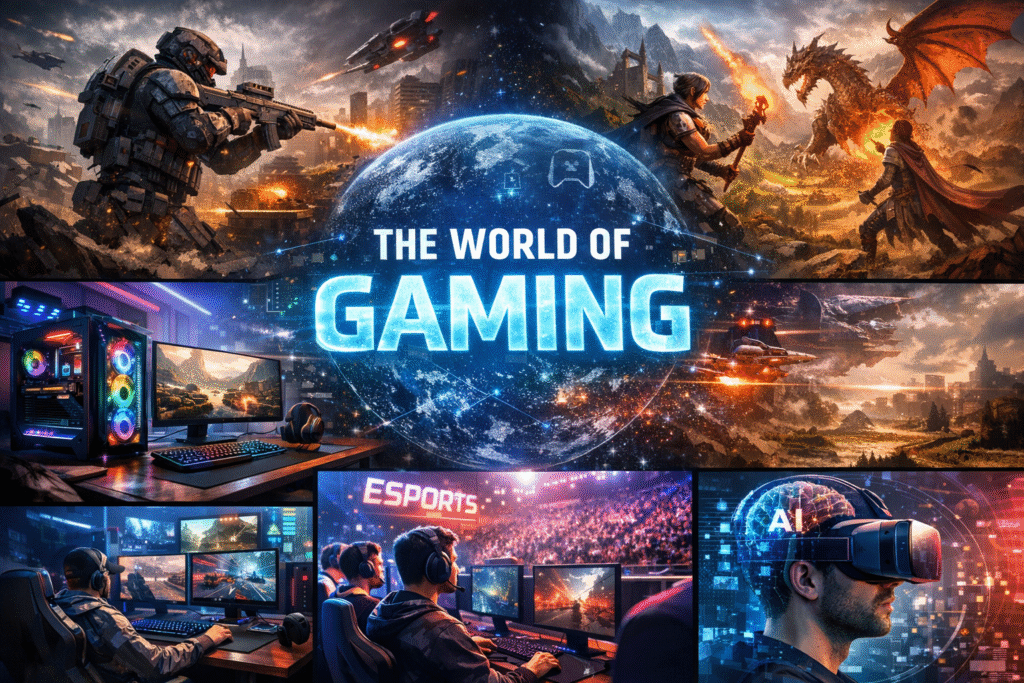
Gaming is no longer just a hobby—it’s a global culture, a billion‑dollar industry, and for many, a full‑time career. From casual mobile gamers to hardcore esports professionals, gaming has evolved into something far more immersive, competitive, and technologically advanced than ever before. In 2025, gaming stands at the intersection of entertainment, technology, and community.
In this in‑depth guide, we’ll explore modern gaming trends, latest technologies, popular genres, hardware evolution, esports growth, and practical tips that every gamer should know. Whether you’re a beginner or a seasoned player, this blog will help you understand where gaming is today—and where it’s headed.Gaming is no longer just a hobby—it’s a global culture, a billion‑dollar industry, and for many, a full‑time career. From casual mobile gamers to hardcore esports professionals, gaming has evolved into something far more immersive, competitive, and technologically advanced than ever before. In 2025, gaming stands at the intersection of entertainment, technology, and community.
In this in‑depth guide, we’ll explore modern gaming trends, latest technologies, popular genres, hardware evolution, esports growth, and practical tips that every gamer should know. Whether you’re a beginner or a seasoned player, this blog will help you understand where gaming is today—and where it’s headed.
The Evolution of Gaming: From Pixels to Photorealism
Gaming has come a long way since the days of 8‑bit graphics and simple arcade mechanics. Early videofocused on basic objectives and limited visual appeal due to hardware constraints. Fast forward to today, and we now experience near‑photorealistic graphics, expansive open worlds, and cinematic storytelling.
Modern engines like Unreal Engine 5 and Unity have revolutionized development by enabling real‑time ray tracing, realistic physics, and lifelike animations. Characters now display emotional depth, environments react dynamically to player actions, and narratives rival those of blockbuster films.
What makes today’s gaming evolution truly special is player choice. Games are no longer linear experiences. Players influence story outcomes, character relationships, and even entire worlds through their decisions.Gaming has come a long way since the days of 8‑bit graphics and simple arcade mechanics. Early video games focused on basic objectives and limited visual appeal due to hardware constraints. Fast forward to today, and we now experience near‑photorealistic graphics, expansive open worlds, and cinematic storytelling.
Modernengines like Unreal Engine 5 and Unity have revolutionized development by enabling real‑time ray tracing, realistic physics, and lifelike animations. Characters now display emotional depth, environments react dynamically to player actions, and narratives rival those of blockbuster films.
What makes today’s gaming evolution truly special is player choice. Games are no longer linear experiences. Players influence story outcomes, character relationships, and even entire game worlds through their decisions.
Popular Gaming Platforms
Gaming is more accessible than ever thanks to a wide range of platforms. Each platform offers a unique experience and caters to different types of players.
🎮 Console Gaming
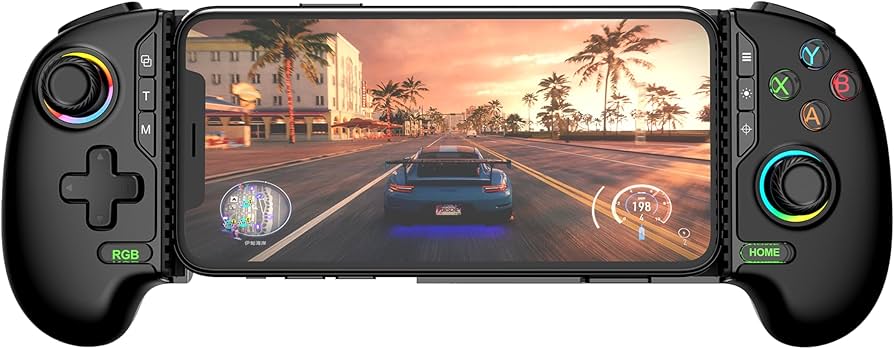
Consoles like PlayStation and Xbox remain popular due to their ease of use, exclusive titles, and optimized performance. Modern consoles support ultra‑fast SSDs, 4K resolution, and immersive haptic feedback, creating a premium gaming experience.
🖥️ PC Gaming
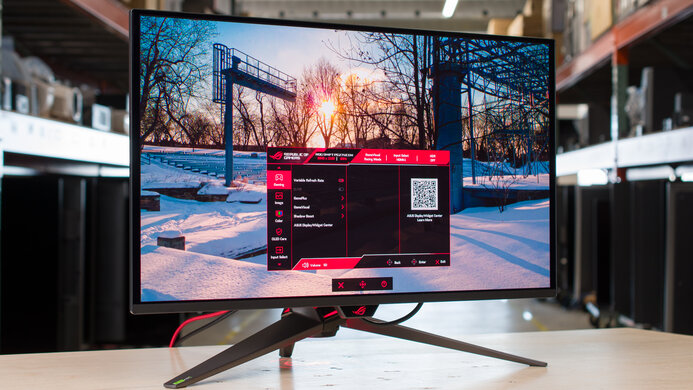
PC gaming continues to dominate in terms of customization, performance, and competitive play. From ultra‑wide monitors to high‑refresh‑rate displays and powerful GPUs, PC gamers enjoy unmatched control over their setup. Mods, custom servers, and indie titles also thrive in the PC ecosystem.
📱 Mobile Gaming
Mobile gaming has exploded, becoming the largest segment of the gaming industry. High‑quality games, cloud gaming services, and controller support have transformed smartphones into powerful gaming devices.
☁️ Cloud Gaming
Cloud gaming allows players to stream directly without high‑end hardware. Services like cloud platforms reduce entry barriers and make gaming more affordable and accessible worldwide.Gaming is more accessible than ever thanks to a wide range of platforms. Each platform offers a unique experience and caters to different types of players.
Top Gaming Genres Dominating the Industry
🔫 First‑Person Shooters (FPS)
FPS games remain a fan favorite, especially in competitive and esports scenes. Precision, fast reflexes, and teamwork define this genre. Regular updates, seasonal content, and ranked modes keep players engaged.
🗺️ Open‑World & RPG Games
Role‑playing and open‑world adventures focus on exploration, storytelling, and character development. Players can spend hundreds of hours completing quests, upgrading skills, and discovering hidden secrets.
🧠 Strategy & Simulation Games
These challenge players’ thinking and planning abilities. City builders, life simulators, and real‑time strategy games appeal to gamers who enjoy creativity and long‑term decision‑making.
🕹️ Indie Games
Indie developers continue to push creativity, offering unique gameplay mechanics and emotional storytelling. These often experiment with new ideas that larger studios avoid.
The Role of AI in Modern Gaming
Artificial Intelligence has transformed how games are designed and played. AI is now used to create smarter enemies, adaptive difficulty levels, and realistic NPC behaviors. Instead of predictable patterns, enemies learn from player actions, making gameplay more challenging and engaging.
AI also enhances procedural generation, allowing developers to create massive worlds with unique landscapes, missions, and encounters. In multiplayer games, AI helps detect cheating, balance matchmaking, and improve player experience.
In the future, AI‑driven companions and dynamic storytelling could personalize games for each player, making no two experiences exactly the same.
Gaming Hardware: Gear That Enhances Performance
🎮 Controllers & Input Devices
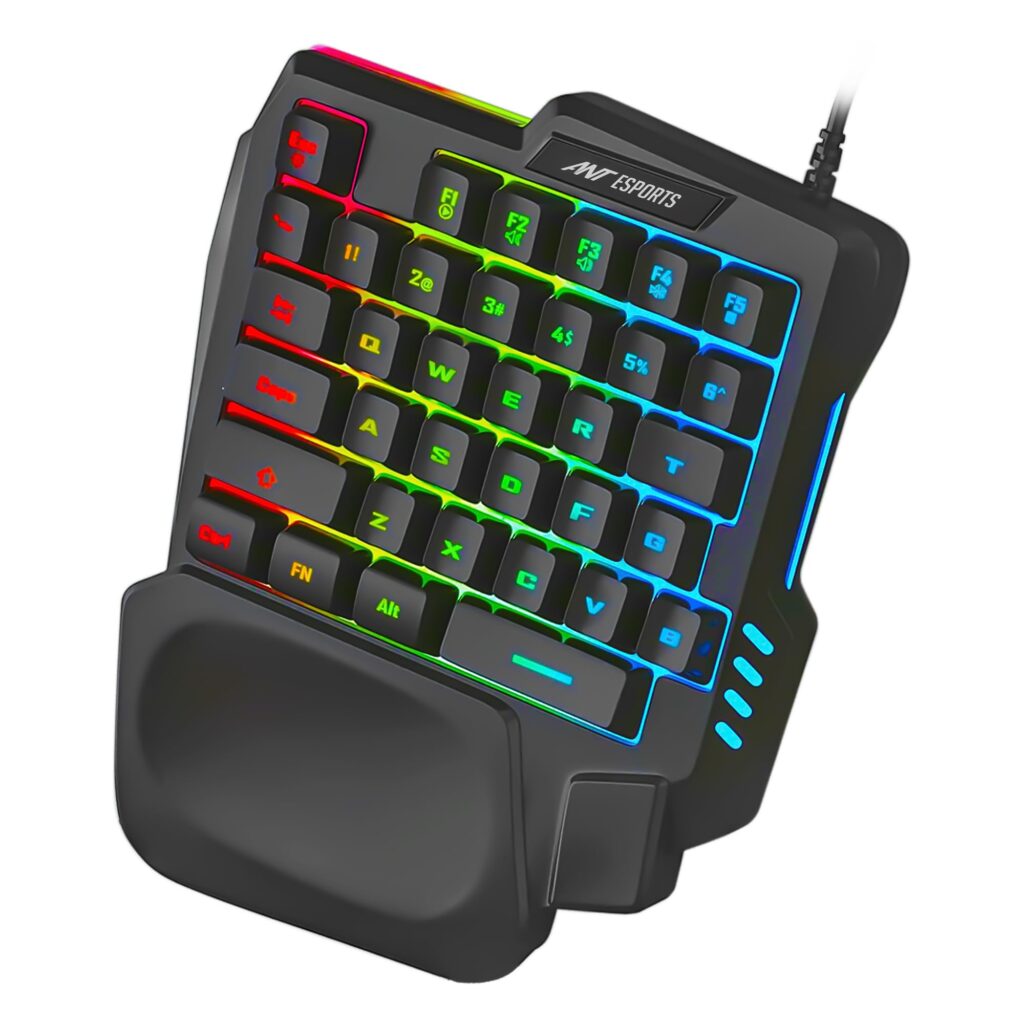
Modern controllers feature adaptive triggers, customizable buttons, and haptic feedback. For competitive players, precision mice, mechanical keyboards, and low‑latency controllers provide a significant advantage.
🖥️ Monitors & Displays
High refresh rates, low response times, and HDR support are essential for smooth gameplay. Competitive gamers often prefer 144Hz or higher displays to gain faster reaction times.
🎧 Audio Equipment
Gaming headsets with surround sound improve immersion and situational awareness. Clear communication is critical in team‑based , making microphones just as important as audio quality.
🪑 Gaming Chairs & Accessories
Comfort plays a huge role in long gaming sessions. Ergonomic chairs, proper desk setups, and wrist supports help prevent fatigue and injury.
Online Multiplayer & Gaming Communities
Gaming is no longer a solo experience. Online multiplayer modes allow players to connect, compete, and collaborate with others around the world. Voice chat, in‑ messaging, and social features have turned into virtual meeting places.
Streaming platforms and social media have further strengthened gaming communities. Gamers now share highlights, tutorials, and live gameplay, building personal brands and fanbases.
Healthy communities promote teamwork, learning, and inclusivity. However, developers are also working to combat toxicity through moderation tools and reporting systems.
The Rise of Esports and Competitive Gaming
Esports has grown into a professional industry with tournaments, sponsors, and millions of viewers. Competitive games offer ranked ladders, leagues, and championships that rival traditional sports.
Professional players train for hours daily, focusing on mechanics, strategy, and teamwork. Esports organizations provide coaching, analytics, and mental health support to help players perform at their best.
For aspiring esports players, consistency, communication, and continuous learning are key to success.
Gaming as a Career: More Than Just Playing
Gaming careers extend beyond professional players. Content creators, streamers, game testers, developers, designers, and marketers all play crucial roles in the industry.
Platforms like YouTube and streaming services allow to monetize their skills through ads, sponsorships, and fan support. development careers require creativity, technical knowledge, and collaboration.
With dedication and the right strategy, gaming can be both a passion and a profession.
Online Safety & Responsible Gaming
As gaming becomes more connected, online safety is increasingly important. Players should protect their accounts with strong passwords, two‑factor authentication, and privacy settings.
Responsible gaming includes managing screen time, avoiding burnout, and maintaining a healthy balance between gaming and real‑life responsibilities. are meant to entertain—not harm mental or physical health.
The Future of Gaming: What’s Next?
The future of gaming looks incredibly exciting. Virtual reality (VR) and augmented reality (AR) are becoming more accessible, offering deeper immersion. Cross‑platform play is breaking down barriers between devices, and cloud gaming is making high‑end experiences available to everyone.
Blockchain technology, digital ownership, and player‑driven economies may redefine how in‑game assets are traded and valued. Meanwhile, AI‑generated content could allow infinite replayability.
One thing is certain: gaming will continue to evolve, innovate, and bring people together.
Whether you play to relax, compete, or create, gaming offers something for everyone. Stay updated, invest in the right gear, respect fellow players, and most importantly—enjoy the game.
Welcome to the next level of gaming. 🚀
Gaming Psychology: How Keep Players Engaged
One of the most fascinating aspects of modern gaming is how deeply it understands human psychology. developers design mechanics that reward progress, skill, and consistency. Level systems, achievements, daily challenges, and battle passes are all built to keep players motivated.
Dopamine-driven reward loops encourage players to complete tasks and unlock new content. At the same time, balanced difficulty ensures players feel challenged but not frustrated. This careful balance between effort and reward is what makesso addictive—and enjoyable.
Competitive use ranking systems to push players toward self-improvement, while casual games focus on relaxation and stress relief. Understanding this psychology helps players manage their time better and enjoy gaming responsibly.
Game Development: How Games Are Actually Made
Behind every successful game is a massive development process involving designers, programmers, artists, writers, and testers. development starts with a concept, followed by planning, prototyping, production, testing, and post-launch support.
Modern \ are rarely “finished” at launch. Developers release patches, updates, expansions, and seasonal content to keep thee alive. Live-service , in particular, rely on continuous updates to maintain player interest.
Indie developers often work with smaller teams but bring innovative ideas that challenge traditional design. Many of today’s most loved started as small indie projects.
Cross-Platform Gaming & Accessibility
Cross-platform gaming has changed the industry by allowing players on different devices to play together. Whether someone is on PC, console, or mobile, cross-play removes barriers and strengthens gaming communities.
Accessibility features are also improving rapidly. Options like customizable controls, colorblind modes, subtitles, and assistive technologies ensure that gaming is inclusive for players of all abilities. Developers are increasingly prioritizing accessibility as a core feature, not an afterthought.
Gaming Content Creation & Streaming Culture
Streaming has transformed gaming into a form of live entertainment. can now build careers by sharing gameplay, tutorials, reactions, and commentary with global audiences.
Successful content creators focus not only on skill but also on personality, consistency, and community engagement. Viewers enjoy interactive chats, live reactions, and behind-the-scenes insights into gaming life.
Streaming culture has also influenced game design. Many games now include spectator modes, streamer-friendly features, and in-game events designed to attract live audiences.
Gaming Performance Tips for Serious Players
Improving gaming performance goes beyond raw skill. Optimizing settings, maintaining hardware, and practicing consistently all play important roles.
Key performance tips include:
- Keeping graphics settings balanced for performance and clarity
- Maintaining proper posture and hand positioning
- Taking regular breaks to avoid fatigue
- Practicing aim training and strategy reviews
Mental focus is just as important as mechanical skill. Staying calm under pressure often separates average players from top performers.
The Social Impact of Gaming
Gaming has become a powerful social tool, especially for younger generations. Online games help players build friendships, improve communication skills, and collaborate across cultures.
Educational games are also gaining popularity, helping students learn problem-solving, history, and even programming through interactive experiences.
While excessive gaming can have negative effects, balanced gaming can improve cognitive skills, creativity, and teamwork.
Gaming as a Lifestyle
Gaming is no longer just about playing—it’s about experiencing, learning, connecting, and creating. From immersive single-player stories to competitive esports and creative sandboxes, gaming offers endless possibilities.
As technology continues to advance, the gaming world will only become more exciting and inclusive. Whether you’re a casual player or a competitive grinder, there has never been a better time to be a
Gaming and Mental Health: The Balanced Perspective
Gaming often gets mixed reactions when it comes to mental health, but the reality is more balanced than extreme opinions suggest. When played responsibly, video games can positively impact mental well-being. Many players use gaming as a way to relax after long work or study hours. Immersive worlds help reduce stress, anxiety, and mental fatigue by offering an escape from daily pressure.
Games that involve puzzles, strategy, and problem-solving can sharpen cognitive skills such as memory, decision-making, and concentration. Multiplayer games also reduce feelings of loneliness by allowing players to socialize, communicate, and work toward shared goals. For many people, gaming communities act as safe spaces where they feel understood and accepted.
However, moderation is essential. Excessive gaming without breaks can lead to burnout, sleep disruption, and reduced productivity. The key lies in setting healthy boundaries, balancing gaming with physical activity, and maintaining offline relationships. When approached mindfully, gaming can be a powerful tool for relaxation and mental stimulation.
Retro Gaming and Nostalgia Culture
The Ultimate Guide To Modern Gaming: Trends, Tech, And Tips Every Gamer Must Know
🎮 The Ultimate Guide to Modern Gaming: Trends, Tech, and Tips Every Gamer Must Know (2025 Edition)
Gaming is no longer just a hobby—it’s a global culture, a billion‑dollar industry, and for many, a full‑time career. From casual mobile gamers to hardcore esports professionals, gaming has evolved into something far more immersive, competitive, and technologically advanced than ever before. In 2025, gaming stands at the intersection of entertainment, technology, and community.
In this in‑depth guide, we’ll explore modern gaming trends, latest technologies, popular genres, hardware evolution, esports growth, and practical tips that every gamer should know. Whether you’re a beginner or a seasoned player, this blog will help you understand where gaming is today—and where it’s headed.
🎯 The Evolution of Gaming: From Pixels to Photorealism
Gaming has come a long way since the days of 8‑bit graphics and simple arcade mechanics. Early video games focused on basic objectives and limited visual appeal due to hardware constraints. Fast forward to today, and we now experience near‑photorealistic graphics, expansive open worlds, and cinematic storytelling.
Modern game engines like Unreal Engine 5 and Unity have revolutionized development by enabling real‑time ray tracing, realistic physics, and lifelike animations. Characters now display emotional depth, environments react dynamically to player actions, and narratives rival those of blockbuster films.
What makes today’s gaming evolution truly special is player choice. are no longer linear experiences. Players influence story outcomes, character relationships, and even entire game worlds through their decisions.
🕹️ Popular Gaming Platforms in 2025
Gaming is more accessible than ever thanks to a wide range of platforms. Each platform offers a unique experience and caters to different types of players.
🎮 Console Gaming
Consoles like PlayStation and Xbox remain popular due to their ease of use, exclusive titles, and optimized performance. Modern consoles support ultra‑fast SSDs, 4K resolution, and immersive haptic feedback, creating a premium gaming experience.
🖥️ PC Gaming
PC gaming continues to dominate in terms of customization, performance, and competitive play. From ultra‑wide monitors to high‑refresh‑rate displays and powerful GPUs, PC gamers enjoy unmatched control over their setup. Mods, custom servers, and indie titles also thrive in the PC ecosystem.
📱 Mobile Gaming
Mobile gaming has exploded, becoming the largest segment of the gaming industry. High‑quality games, cloud gaming services, and controller support have transformed smartphones into powerful gaming devices.
☁️ Cloud Gaming
Cloud gaming allows players to stream games directly without high‑end hardware. Services like cloud platforms reduce entry barriers and make gaming more affordable and accessible worldwide.
🚀 Top Gaming Genres Dominating the Industry
🔫 First‑Person Shooters (FPS)
FPS games remain a fan favorite, especially in competitive and esports scenes. Precision, fast reflexes, and teamwork define this genre. Regular updates, seasonal content, and ranked modes keep players engaged.
🗺️ Open‑World & RPG Games
Role‑playing games and open‑world adventures focus on exploration, storytelling, and character development. Players can spend hundreds of hours completing quests, upgrading skills, and discovering hidden secrets.
🧠 Strategy & Simulation Games
These games challenge players’ thinking and planning abilities. City builders, life simulators, and real‑time strategy games appeal to gamers who enjoy creativity and long‑term decision‑making.
🕹️ Indie Games
Indie developers continue to push creativity, offering unique gameplay mechanics and emotional storytelling. These games often experiment with new ideas that larger studios avoid.
🧠 The Role of AI in Modern Gaming
Artificial Intelligence has transformed how games are designed and played. AI is now used to create smarter enemies, adaptive difficulty levels, and realistic NPC behaviors. Instead of predictable patterns, enemies learn from player actions, making gameplay more challenging and engaging.
AI also enhances procedural generation, allowing developers to create massive worlds with unique landscapes, missions, and encounters. In multiplayer games, AI helps detect cheating, balance matchmaking, and improve player experience.
In the future, AI‑driven companions and dynamic storytelling could personalize games for each player, making no two experiences exactly the same.
🎧 Gaming Hardware: Gear That Enhances Performance
🎮 Controllers & Input Devices
Modern controllers feature adaptive triggers, customizable buttons, and haptic feedback. For competitive players, precision mice, mechanical keyboards, and low‑latency controllers provide a significant advantage.
🖥️ Monitors & Displays
High refresh rates, low response times, and HDR support are essential for smooth gameplay. Competitive gamers often prefer 144Hz or higher displays to gain faster reaction times.
🎧 Audio Equipment
Gaming headsets with surround sound improve immersion and situational awareness. Clear communication is critical in team‑based games, making microphones just as important as audio quality.
🪑 Gaming Chairs & Accessories
Comfort plays a huge role in long gaming sessions. Ergonomic chairs, proper desk setups, and wrist supports help prevent fatigue and injury.
🌍 Online Multiplayer & Gaming Communities
Gaming is no longer a solo experience. Online multiplayer modes allow players to connect, compete, and collaborate with others around the world. Voice chat, in‑game messaging, and social features have turned games into virtual meeting places.
Streaming platforms and social media have further strengthened gaming communities. Gamers now share highlights, tutorials, and live gameplay, building personal brands and fanbases.
Healthy communities promote teamwork, learning, and inclusivity. However, developers are also working to combat toxicity through moderation tools and reporting systems.
🏆 The Rise of Esports and Competitive Gaming
Esports has grown into a professional industry with tournaments, sponsors, and millions of viewers. Competitive games offer ranked ladders, leagues, and championships that rival traditional sports.
Professional players train for hours daily, focusing on mechanics, strategy, and teamwork. Esports organizations provide coaching, analytics, and mental health support to help players perform at their best.
For aspiring esports players, consistency, communication, and continuous learning are key to success.
💰 Gaming as a Career: More Than Just Playing
Gaming careers extend beyond professional players. Content creators, streamers, game testers, developers, designers, and marketers all play crucial roles in the industry.
Platforms like YouTube and streaming services allow gamers to monetize their skills through ads, sponsorships, and fan support. Game development careers require creativity, technical knowledge, and collaboration.
With dedication and the right strategy, gaming can be both a passion and a profession.
🔒 Online Safety & Responsible Gaming
As gaming becomes more connected, online safety is increasingly important. Players should protect their accounts with strong passwords, two‑factor authentication, and privacy settings.
Responsible gaming includes managing screen time, avoiding burnout, and maintaining a healthy balance between gaming and real‑life responsibilities. Games are meant to entertain—not harm mental or physical health.
🔮 The Future of Gaming: What’s Next?
The future of gaming looks incredibly exciting. Virtual reality (VR) and augmented reality (AR) are becoming more accessible, offering deeper immersion. Cross‑platform play is breaking down barriers between devices, and cloud gaming is making high‑end experiences available to everyone.
Blockchain technology, digital ownership, and player‑driven economies may redefine how in‑game assets are traded and valued. Meanwhile, AI‑generated content could allow infinite replayability.
One thing is certain: gaming will continue to evolve, innovate, and bring people together.
🎮 Final Thoughts
Gaming in 2025 is more diverse, inclusive, and powerful than ever before. It’s a space where technology meets creativity, competition meets community, and entertainment meets opportunity.
Whether you play to relax, compete, or create, gaming offers something for everyone. Stay updated, invest in the right gear, respect fellow players, and most importantly—enjoy the.
Welcome to the next level of gaming. 🚀
🎯 Gaming Psychology: How Games Keep Players Engaged
One of the most fascinating aspects of modern gaming is how deeply it understands human psychology. Game developers design mechanics that reward progress, skill, and consistency. Level systems, achievements, daily challenges, and battle passes are all built to keep players motivated.
Dopamine-driven reward loops encourage players to complete tasks and unlock new content. At the same time, balanced difficulty ensures players feel challenged but not frustrated. This careful balance between effort and reward is what makes games so addictive—and enjoyable.
Competitive games use ranking systems to push players toward self-improvement, while casual games focus on relaxation and stress relief. Understanding this psychology helps players manage their time better and enjoy gaming responsibly.
🧩 Development: How Games Are Actually Made
Behind every successful game is a massive development process involving designers, programmers, artists, writers, and testers. Game development starts with a concept, followed by planning, prototyping, production, testing, and post-launch support.
Modernare rarely “finished” at launch. Developers release patches, updates, expansions, and seasonal content to keep the alive. Live-service games, in particular, rely on continuous updates to maintain player interest.
Indie developers often work with smaller teams but bring innovative ideas that challenge traditional game design. Many of today’s most loved games started as small indie projects.
🌐 Cross-Platform Gaming & Accessibility
Cross-platform gaming has changed the industry by allowing players on different devices to play together. Whether someone is on PC, console, or mobile, cross-play removes barriers and strengthens gaming communities.
Accessibility features are also improving rapidly. Options like customizable controls, colorblind modes, subtitles, and assistive technologies ensure that gaming is inclusive for players of all abilities. Developers are increasingly prioritizing accessibility as a core feature, not an afterthought.
🕹️
Retro bonds between players across generations.