
Introduction: Gaming Events Are Redefining the Way We Play
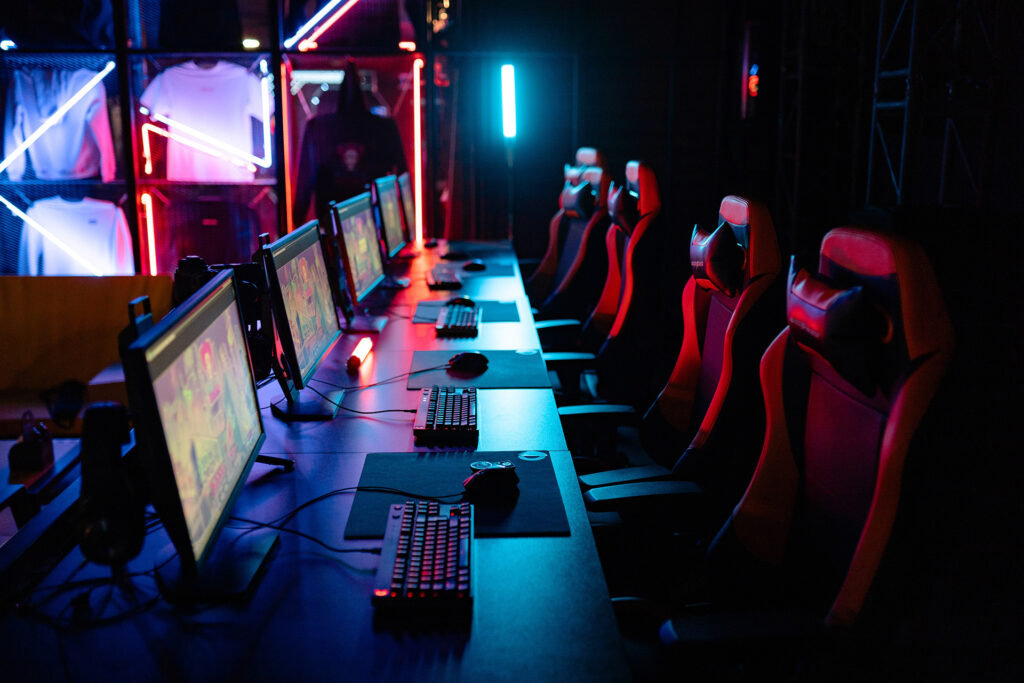
Gaming has evolved far Modern Gaming Events beyond casual entertainment. What was once seen as a hobby has now transformed into a structured competitive ecosystem powered by gaming events. From small online gaming tournaments to large-scale esports events streamed worldwide, competitive gaming has become a serious industry.
Today, gaming events are not just about winning prize money. They are platforms for learning, networking, career-building, and community growth. Whether you are an amateur gamer, a content creator, or someone exploring the gaming industry, understanding gaming events is essential.
This guide explores what gaming events really are, how they work, why they matter, and how players at every level can benefit from them.
What Are Gaming Events?
Gaming events are organized competitions where players or teams compete under predefined rules in specific games. These events can be hosted online or offline and may range from casual community tournaments to professional esports championships.
Gaming events usually include:
- Registration and qualification rounds
- Fixed match schedules
- Rule enforcement and fair play systems
- Rankings, rewards, or prize pools
Unlike casual gaming, gaming events emphasize structure, discipline, and competition.
The Evolution of Gaming Events
Early Gaming Events
In the early days, gaming events were limited to:
- Local LAN cafés
- College festivals
- Small offline gatherings
Participation was restricted by location, hardware access, and awareness.
The Online Revolution
With high-speed internet and affordable gaming devices, online gaming tournaments became mainstream. This allowed:
- Global participation
- Lower entry barriers
- Frequent competitions
Modern Gaming Events
Today’s gaming events are professionally managed experiences involving:
- Live streaming
- Commentators and analysts
- Anti-cheat systems
- Digital audience engagement
Gaming events have become entertainment products as much as competitions.
Types of Gaming Events
1. Online Gaming Tournaments
These are the most common gaming events today.
Key Features:
- Remote participation
- Low cost or free entry
- High frequency
Online gaming tournaments are ideal for beginners and amateur gamers because they allow easy access without travel or large investments.
2. Community Gaming Events
Community gaming events are organized by gaming groups, Discord servers, or social media communities.
Why They Matter:
- Friendly competitive environment
- Skill development focus
- Strong community interaction
These events help new players build confidence before entering high-pressure competitions.
3. Competitive Esports Events
These are high-stakes gaming events often backed by sponsors and professional organizers.
Includes:
- Open qualifiers
- Semi-professional leagues
- Regional and national tournaments
Competitive esports events test not only gaming skills but also mental strength and teamwork.
4. College and Campus Gaming Events
Educational institutions now actively host gaming competitions.
Benefits:
- Balanced competition
- Talent exposure
- Networking opportunities
College gaming events often serve as the first step into organized esports.
Why Gaming Events Matter for Players
Gaming events offer experiences that casual gaming cannot provide.
Skill Development
Players improve:
- Mechanical skills
- Decision-making under pressure
- Communication and coordination
Competitive Discipline
Gaming events teach players:
- Rule compliance
- Time management
- Professional conduct
These skills are essential for long-term growth.
Gaming Events as Learning Platforms
Every gaming event is a learning opportunity.
Players learn:
- How strategies work under pressure
- How opponents adapt
- How mistakes affect outcomes
Losses in gaming events often teach more than wins, even though they feel frustrating at first.
Gaming Events and Community Building
Gaming events bring people together.
Community Benefits
- Player networking
- Team formation
- Knowledge sharing
Strong gaming communities grow around regular events, creating long-term engagement.
The Role of Organizers in Gaming Events
Successful gaming events depend heavily on organizers.
Good Organizers Ensure:
- Clear rules and schedules
- Fair matchmaking
- Reliable technical support
Poorly managed events can discourage players and damage community trust.
Gaming Events and Streaming Culture
Streaming has become a core part of modern gaming events.
Why Streaming Matters
- Increases event visibility
- Provides exposure for players
- Builds audience engagement
Even small gaming tournaments gain value when streamed effectively.
Gaming Events for Amateur Gamers
Contrary to popular belief, most gaming events are designed for amateur players.
Why Beginners Should Join Gaming Events
- Low entry barriers
- Skill-based brackets
- Regular opportunities
Consistent participation is more important than immediate success.
How to Choose the Right Gaming Event
Not all gaming events are worth joining.
Important Factors
- Organizer credibility
- Skill level requirements
- Server quality
- Community feedback
Choosing the right gaming event saves time and prevents frustration.
Mental Pressure in Gaming Events
Pressure is a defining feature of competitive gaming events.
Common Challenges
- Performance anxiety
- Fear of making mistakes
- Tilt after losses
The more events players participate in, the more comfortable they become under pressure.
Gaming Events vs Ranked Matches
| Aspect | Ranked Matches | Gaming Events |
|---|---|---|
| Structure | Flexible | Strict |
| Pressure | Low | High |
| Teamwork | Random | Organized |
| Learning Value | Moderate | High |
Gaming events provide a more realistic competitive experience.
Gaming Events and Career Opportunities
Gaming events act as gateways to gaming careers.
Opportunities Include:
- Team recruitment
- Sponsorships
- Coaching roles
- Content creation
Visibility gained through events can open unexpected doors.
Gaming Events for Content Creators
Gaming events are not only for players.
Content Ideas from Gaming Events
- Match highlights
- Player interviews
- Strategy breakdowns
- Event recaps
Content creators can build audiences even without being professional players.
Common Mistakes in Gaming Events
Players often sabotage themselves unintentionally.
Common Errors
- Ignoring rules
- Poor preparation
- Overconfidence
- Lack of communication
Avoiding basic mistakes already puts players ahead of many competitors.
Fair Play and Ethics in Gaming Events
Fair play is fundamental.
Unethical Practices
- Cheating
- Smurfing
- Exploiting glitches
Short-term gains from unfair play almost always lead to long-term consequences.
Gaming Events and Team Discipline
Team-based gaming events test discipline more than skill.
Discipline Includes:
- Punctuality
- Role clarity
- Emotional control
Disciplined teams consistently outperform individually skilled but chaotic teams.
The Role of Gaming Events in Skill Progression
Skill progression happens faster in structured environments.
Gaming events:
- Highlight weaknesses
- Force adaptation
- Encourage reflection
Players who regularly compete improve faster than those who only practice casually.
Regional Growth of Gaming Events
Gaming events are growing rapidly across regions.
Key Drivers
- Affordable internet
- Mobile gaming popularity
- Youth-driven communities
Regional gaming events help discover local talent and strengthen grassroots esports.
Gaming Events and Monetization
Early-stage gaming events may not pay much, but they create opportunities.
Monetization Paths
- Prize winnings
- Streaming revenue
- Brand collaborations
Consistent participation increases long-term earning potential.
The Future of Gaming Events
Gaming events are becoming more structured and accessible.
Future trends include:
- Better tournament platforms
- Advanced anti-cheat systems
- Increased amateur leagues
Gaming events will continue to shape the competitive gaming landscape.
Beginner Roadmap for Gaming Events
Step-by-Step Entry
- Choose one game
- Join gaming communities
- Start with small gaming events
- Review performance
- Progress to competitive tournaments
Slow and steady growth is the most reliable path.
Why Gaming Events Are a Long-Term Commitment
Success in gaming events rarely happens overnight.
Long-term participation:
- Builds resilience
- Improves adaptability
- Creates networks
Consistency matters more than talent alone.
Final Thoughts: Gaming Events Are the Backbone of Competitive Gaming
Gaming events are more than competitions—they are ecosystems that nurture talent, communities, and careers. Whether you aim to become a professional gamer, a content creator, or simply improve your skills, gaming events provide the structure and exposure needed for growth.
If you approach gaming events with patience, discipline, and curio
Gaming Events and Long-Term Player Development
One of the biggest advantages of gaming events is their impact on long-term player development. Casual gaming improves mechanical skill, but gaming events accelerate overall growth by placing players in structured, pressure-driven environments.
When players participate in regular gaming tournaments, they begin to understand:
- How to prepare before matches
- How to adapt mid-game
- How to recover after losses
This cycle of preparation, performance, and reflection is what slowly transforms amateur gamers into competitive players.
Unlike ranked matches, gaming events expose players to unpredictable scenarios, unfamiliar opponents, and real consequences. This is where true learning happens.
Why Consistency in Gaming Events Matters More Than Results
Many beginners judge progress only by wins and losses. In reality, consistency in gaming events is far more important than short-term results.
A player or team that participates in:
- 2–3 gaming events every month
- Regular online gaming tournaments
- Different competition formats
will almost always outperform someone who plays only occasionally, even if that person has better raw skill.
Consistency builds:
- Confidence
- Match experience
- Decision-making speed
Results follow naturally over time.
Gaming Events and Strategic Thinking
As players gain experience, gaming events start to feel less chaotic and more strategic.
How Strategy Develops Through Gaming Events
- Teams learn map control concepts
- Players understand timing and rotations
- Decision-making becomes proactive instead of reactive
Competitive gaming events force players to think several steps ahead. This strategic depth cannot be developed through casual play alone.
Over time, players begin to recognize patterns:
- Common opening strategies
- Mid-game adaptations
- End-game pressure situations
This awareness is one of the biggest benefits of long-term participation in gaming tournaments.
Gaming Events and Team Chemistry
Team chemistry is one of the most underestimated factors in esports.
Gaming events reveal:
- How teammates communicate under stress
- How they respond to mistakes
- How well they support each other
A team that performs well mechanically but lacks chemistry often struggles in competitive gaming events. On the other hand, teams with strong coordination frequently outperform more skilled opponents.
Regular participation in gaming events helps teams:
- Develop trust
- Improve communication habits
- Resolve conflicts faster
Chemistry is built through shared experiences, especially losses.
Online Gaming Events vs Offline Gaming Events
Both formats play an important role in the ecosystem.
Online Gaming Events
- Easy accessibility
- Low cost
- High frequency
Online gaming events are ideal for beginners and amateur players who want consistent competition without logistical challenges.
Offline Gaming Events
- Higher pressure
- Direct social interaction
- Stronger exposure opportunities
Offline gaming tournaments offer intense experiences, but they usually require prior online experience to perform confidently.
Most successful players start with online gaming events and transition to offline events later.
Gaming Events and Performance Tracking
Tracking performance is essential for improvement.
Gaming events provide measurable data such as:
- Win–loss records
- Round statistics
- Role effectiveness
Players who actively track performance across gaming tournaments identify weaknesses faster and improve more efficiently.
Even simple tracking methods—like writing down mistakes after each event—can create noticeable progress over time.
The Role of Feedback in Gaming Events
Feedback is unavoidable in gaming events.
Players receive feedback through:
- Match outcomes
- Opponent behavior
- Team discussions
The most successful players are those who accept feedback without defensiveness.
In competitive gaming events, feedback is not personal—it is informational. Learning to separate ego from performance is a critical skill.
Gaming Events and Emotional Control
Emotional control is often the deciding factor in close matches.
Gaming events test:
- Patience
- Stress tolerance
- Emotional recovery
Players who lose control after a single mistake often spiral into poor decision-making. Those who remain calm maintain consistency.
Regular exposure to gaming tournaments gradually normalizes pressure, making players mentally stronger.
Gaming Events and Time Management Skills
Time management becomes crucial once players start participating regularly in gaming events.
Players must balance:
- Practice time
- Event schedules
- Personal responsibilities
Competitive gaming events reward disciplined routines. Players who manage time effectively perform better consistently, even with limited daily hours.
Gaming Events as Networking Platforms
Beyond competition, gaming events act as networking spaces.
Players meet:
- Other teams
- Tournament organizers
- Coaches and analysts
- Content creators
Many opportunities in esports arise not from winning, but from being visible and professional during gaming events.
Simple behaviors—such as respectful communication and punctuality—leave lasting impressions.
Gaming Events and Reputation Building
Reputation plays a significant role in competitive gaming.
Players and teams become known for:
- Reliability
- Sportsmanship
- Consistent participation
A strong reputation built through gaming events can lead to:
- Direct tournament invites
- Team offers
- Community recognition
Reputation is built slowly but can be damaged quickly.
The Role of Gaming Events in Content Creation
Gaming events generate high-quality content opportunities.
Players and creators can produce:
- Match highlights
- Strategy breakdowns
- Event recap videos
Even amateur gaming tournaments provide engaging content because audiences enjoy authentic journeys, not just polished victories.
Content creation around gaming events amplifies visibility far beyond the tournament itself.
Gaming Events and Sponsorship Potential
Sponsorship is often misunderstood.
Sponsors rarely look only at results. They evaluate:
- Consistency in gaming events
- Online presence
- Professional behavior
Teams that actively participate in gaming tournaments and document their journey are more attractive to brands than silent teams with occasional wins.
Common Misconceptions About Gaming Events
“Gaming events are only for professionals”
Most gaming events are amateur-friendly and designed for skill development.
“You need expensive gear to compete”
Gaming events prioritize skill and discipline over hardware.
“If you don’t win, it’s a waste of time”
Every gaming event contributes to experience and growth.
Understanding these realities helps players approach competitions with healthier expectations.
Gaming Events and Adaptability
Adaptability is a critical competitive skill.
Gaming events force players to adapt to:
- New opponents
- Rule variations
- Unexpected strategies
Players who adapt quickly consistently outperform rigid players, even with lower mechanical skill.
Adaptability develops naturally through diverse gaming tournaments.
The Importance of Reviewing Gaming Events
Post-event review is essential.
After each gaming event, teams should:
- Discuss what worked
- Identify key mistakes
- Set one improvement goal
This structured reflection turns experience into improvement.
Skipping reviews slows progress significantly.
Gaming Events and Long-Term Motivation
Motivation fluctuates, especially after losses.
Gaming events help maintain motivation by:
- Providing clear milestones
- Creating short-term goals
- Offering community interaction
Instead of grinding aim trainers endlessly, players have tangible objectives through events.
Gaming Events and Career Transitions
Not every player becomes a professional competitor, and that’s normal.
Gaming events prepare players for other roles such as:
- Coaching
- Analysis
- Event organization
- Content creation
The skills learned through gaming tournaments are transferable within the esports ecosystem.
Gaming Events and Fair Competition
Fair competition is the foundation of gaming events.
Players who respect rules and opponents build trust within the community. This trust leads to:
- Better opportunities
- Long-term inclusion
- Sustainable careers
Unfair behavior may offer short-term success but almost always ends careers prematurely.
Gaming Events as a Reflection of Growth
Over time, players notice changes:
- Better decision-making
- Improved communication
- Reduced panic under pressure
These improvements are subtle but powerful. Gaming events act as mirrors, showing players how far they have come.
Final Extended Perspective
Gaming events are not shortcuts to success. They are systems for growth.
Every competitive gaming event adds:
- Experience
- Perspective
- Discipline
Players who approach gaming events with patience and curiosity eventually outgrow those chasing instant results.
Progress may feel slow, but consistency compounds quietly.
Closing Thoughts
In the modern competitive landscape, gaming events are the backbone of structured gaming growth. They shape skills, communities, and opportunities in ways casual play never can.
If you commit to:
- Regular participation
- Honest self-review
- Professional behavior
gaming events will continuously push you forward—sometimes painfully, sometimes excitingly, but always meaningfully.
That’s the real value of gaming events, and why they remain essential for anyone serious about competitive gaming.
Closing Thoughts
In the modern competitive landscape, gaming events are the backbone of structured gaming growth. They shape skills, communities, and opportunities in ways casual play never can.
If you commit to:
- Regular participation
- Honest self-review
- Professional behavior
gaming events will continuously push you forward—sometimes painfully, sometimes excitingly, but always meaningfully.
That’s the real value of gaming events, and why they remain essential for anyone serious about competitive gaming.Modern Gaming EventsModern Gaming Events Modern Gaming Events Modern Gaming Events Modern Gaming Events Modern Gaming Events Modern Gaming Events Modern Gaming Events Modern Gaming Events Modern Gaming Events Modern Gaming Events Modern Gaming Events Modern Gaming Events Modern Gaming Events Modern Gaming Events Modern Gaming Events Modern Gaming Modern Gaming Events Modern Gaming Events Modern Gaming Events Modern Gaming Events Modern Gaming Events Modern Gaming Events Modern Gaming Events