
Introduction: Gaming Events Are Becoming More Skill-Focused
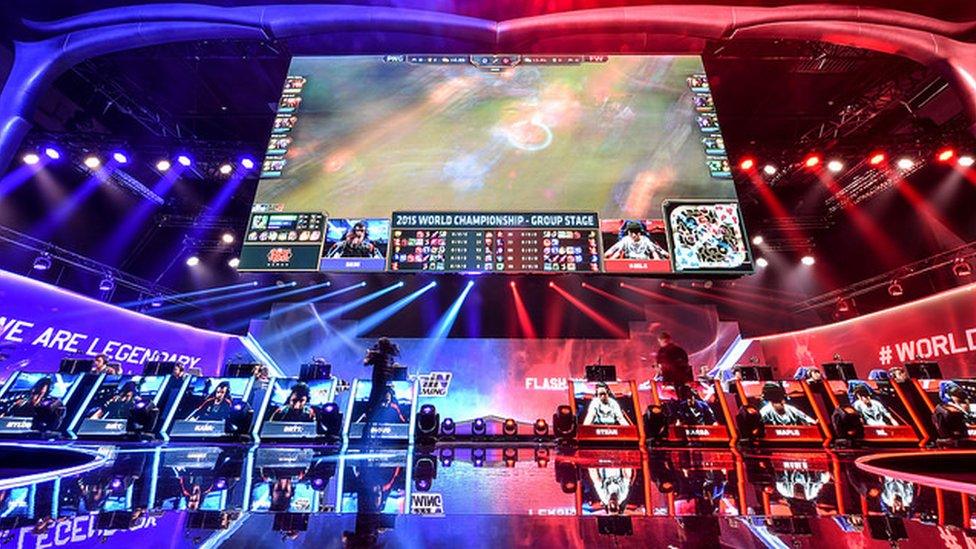
Gaming events have changed a lot in the last few years. Earlier, most events were either casual tournaments or high-level esports competitions that felt out of reach for normal players. Today, a new category is growing fast — skill-based gaming events.
These events focus less on hype and more on fair competition, structured rules, and measurable performance. They are designed to reward consistency, decision-making, and teamwork instead of luck or one-time plays. Because of this, skill-based gaming events are becoming the preferred entry point for serious players who want real competitive growth.
This blog explores how skill-based gaming events work, why they are different, and how they are reshaping the future of organized competitive play.
What Are Skill-Based Gaming Events?
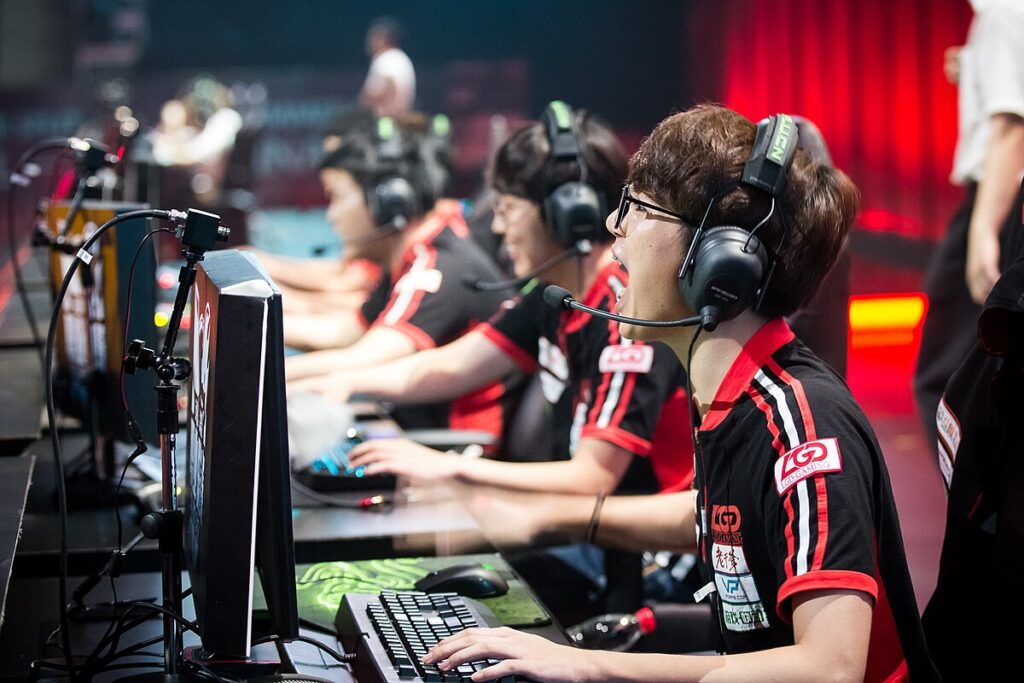
Skill-based gaming events are competitive formats where outcomes depend primarily on player ability rather than randomness or gimmicks.
Core Characteristics
- Clear ranking or scoring systems
- Balanced matchmaking
- Fixed competitive rules
- Emphasis on repeat performance
Unlike casual events, these gaming competitions measure progress over time. Players who perform well consistently rise, while others learn and adapt.
Why Skill-Based Gaming Events Are Growing Fast
The gaming audience has matured. Many players now want:
- Fair competition
- Transparent rules
- Meaningful progression
Skill-based gaming events provide exactly that.
Key Growth Drivers
- Better matchmaking technology
- Improved anti-cheat systems
- Community demand for fairness
As gaming communities grow more competitive, skill-based formats naturally replace random or unstructured events.
Skill-Based Events vs Traditional Gaming Events
| Aspect | Traditional Events | Skill-Based Gaming Events |
|---|---|---|
| Matchmaking | Random or open | Performance-based |
| Progress Tracking | Limited | Continuous |
| Skill Reward | Inconsistent | High |
| Learning Curve | Slow | Faster |
This difference is why serious players prefer skill-based gaming events over one-off tournaments.
How Skill-Based Gaming Events Improve Player Quality
One major benefit of skill-based gaming events is player development.
Improvement Happens Because:
- Weaknesses are exposed repeatedly
- Players face similarly skilled opponents
- Adaptation is necessary to progress
Instead of winning once and disappearing, players stay engaged and improve steadily.
Role of Live Gaming Competitions
Many skill-based gaming events operate as live gaming competitions, where matches are played on fixed schedules with real-time oversight.
Why Live Formats Matter
- Reduces cheating
- Improves professionalism
- Creates accountability
Live gaming competitions feel closer to traditional sports, which increases seriousness among participants.
Organized Play Events and Structure
Structure is what separates competitive play from chaos.
Organized Play Events Include:
- Registration verification
- Match reporting systems
- Rule enforcement
- Dispute resolution
This structure builds trust. Players know that results are respected and issues are handled fairly.
How Gaming Event Platforms Support Skill-Based Formats
Modern gaming event platforms play a crucial role.
Platform Features That Matter
- Ranking algorithms
- Match history tracking
- Player statistics
- Automated brackets
These tools allow skill-based gaming events to scale efficiently without losing fairness.
Skill-Based Gaming Events and Team Formation
Random teams struggle in structured competition.
Skill-based events encourage:
- Stable team rosters
- Role clarity
- Long-term coordination
Over time, this improves the overall quality of competitive play across the community.
Learning Through Repetition in Skill-Based Events
Skill-based gaming events rely on repetition.
Players:
- Face similar opponents
- Play under consistent rules
- Receive predictable feedback
This repetition accelerates learning compared to random matchmaking environments.
Mental Discipline in Skill-Based Gaming Events
Mental strength becomes more important as competition tightens.
Common Mental Challenges
- Pressure from rankings
- Fear of demotion
- Performance anxiety
Skill-based formats train players to manage emotions because every match has measurable impact.
Fair Play and Integrity in Skill-Based Gaming Events
Integrity is non-negotiable.
Because skill-based gaming events track performance closely, cheating or unfair behavior is easier to detect.
Strong enforcement protects:
- Player trust
- Competitive balance
- Long-term ecosystem health
Role of Communities in Skill-Based Events
Communities support these events by:
- Sharing strategies
- Organizing scrims
- Providing feedback
Healthy communities amplify the benefits of skill-based gaming events and keep players engaged long-term.
Skill-Based Gaming Events as Career Preparation
Even players who never go pro benefit from these events.
Transferable Skills
- Team communication
- Strategic thinking
- Performance under pressure
These skills apply across gaming careers, content creation, and even non-gaming fields.
Why Casual Players Still Benefit
Skill-based gaming events are not only for elite players.
Casual players benefit because:
- They face fair opponents
- Progress is visible
- Improvement feels rewarding
This prevents frustration and keeps players motivated.
Monetization and Sustainability
Unlike hype-driven tournaments, skill-based gaming events focus on sustainability.
Revenue models include:
- Entry passes
- Subscriptions
- Sponsorship integration
This stability allows events to run consistently instead of disappearing after one season.
Regional Growth of Skill-Based Gaming Events
Different regions adopt skill-based formats at different speeds.
In regions with strong online communities:
- Adoption is faster
- Competition quality rises quickly
Localized skill-based gaming events often outperform global formats in engagement.
Technology Behind Skill-Based Formats
Advanced systems support these events.
Key Technologies
- Skill rating algorithms
- Match data analytics
- Anti-cheat monitoring
Technology ensures fairness without excessive manual control.
Common Mistakes Players Make in Skill-Based Gaming Events
Players often struggle initially.
Frequent Mistakes
- Obsessing over rank instead of learning
- Switching teams too often
- Ignoring feedback
Understanding that progress is gradual helps players stay consistent.
Skill-Based Gaming Events and Long-Term Motivation
Motivation lasts longer when progress is measurable.
Skill-based gaming events provide:
- Clear benchmarks
- Visible improvement
- Meaningful competition
This keeps players invested even during losing phases.
Future of Skill-Based Gaming Events
The future points toward:
- Hybrid online-live formats
- Better ranking transparency
- Stronger community integration
Skill-based gaming events are likely to become the standard form of organized competitive play.
Final Thoughts: Why Skill-Based Gaming Events Matter
Skill-based gaming events represent the next evolution of competitive gaming. They replace randomness with structure and hype with fairness. For players who want genuine improvement, these events offer the most reliable path forward.
Whether your goal is to grow competitively, build a gaming profile, or simply enjoy fair competition, skill-based gaming events create an environment where effort truly matters.
Progress may be slow, but in skill-based systems, progress is always earned — and that makes it meaningful 😅
Skill-Based Gaming Events and Competitive Fairness
One of the biggest reasons skill-based gaming events are gaining popularity is their focus on competitive fairness. In traditional open tournaments, players often face opponents with vastly different experience levels, making results unpredictable and discouraging for newcomers. Skill-based gaming events reduce this imbalance by grouping players according to performance metrics rather than random entry.
Fair competition builds trust. When players feel that outcomes are decided by skill rather than luck, hardware abuse, or mismatched opponents, they are more likely to stay involved long-term. This sense of fairness is critical for the sustainability of organized play events.
Over time, fair matchmaking also raises the average quality of competition. As players adapt and improve, the overall standard of gameplay increases naturally.
Ranking Systems in Skill-Based Gaming Events
Ranking systems are the backbone of skill-based gaming events. These systems track player performance over multiple matches and assign ratings that reflect actual skill levels.
What Good Ranking Systems Do
- Reward consistency instead of one-time wins
- Adjust ratings gradually
- Encourage long-term participation
Players who understand rankings correctly treat them as learning tools, not ego measurements. A temporary drop in rank often highlights weaknesses that need attention, making rankings valuable feedback mechanisms.
Poor ranking systems create frustration, but well-designed ones strengthen competitive play formats by keeping progression meaningful.
Skill-Based Gaming Events and Accountability
Accountability is another defining feature of skill-based gaming events. Since results are tracked and tied to rankings, players are encouraged to take matches seriously.
Accountability shows up in:
- Showing up on time
- Following rules carefully
- Communicating responsibly with teammates
In live gaming competitions, this accountability becomes even stronger. Players know their actions affect long-term standing, which discourages reckless behavior and toxic conduct.
How Skill-Based Gaming Events Shape Player Attitudes
Players who regularly participate in skill-based gaming events develop a noticeably different mindset compared to casual players.
They begin to:
- Analyze mistakes instead of blaming teammates
- Focus on improvement over excuses
- Respect opponents as learning opportunities
This shift in attitude is essential for competitive growth. Skill-based environments reward self-awareness and discipline, gradually filtering out players who rely on shortcuts.
Role of Match History and Statistics
Match history is a powerful tool within skill-based gaming events. Every game contributes data that helps players understand their performance trends.
Useful Insights from Match History
- Win-rate consistency
- Performance against similar-ranked opponents
- Role effectiveness
Players who review match history regularly improve faster than those who rely only on memory. Organized play events that provide clear statistics empower players to take control of their development.
Skill-Based Gaming Events and Strategic Depth
As competition becomes more balanced, strategy gains importance.
In skill-based gaming events:
- Simple tactics stop working quickly
- Adaptation becomes essential
- Predictability is punished
This pushes players to think deeper about positioning, timing, and coordination. Over time, strategic depth separates consistently successful players from those who rely only on mechanical skill.
Team Dynamics in Skill-Based Competitive Formats
Team-based skill-based gaming events emphasize stability.
Teams that constantly change rosters struggle because ranking systems depend on coordinated performance. Stable teams benefit from:
- Better communication
- Shared understanding of strategies
- Faster adaptation
Competitive play formats naturally reward teams that invest time in chemistry rather than quick fixes.
Skill-Based Gaming Events and Conflict Resolution
Conflicts are inevitable in competitive environments. What matters is how they are handled.
Skill-based gaming events indirectly encourage healthier conflict resolution because:
- Long-term rankings discourage impulsive decisions
- Repeated interactions build familiarity
- Reputation matters
Players who behave poorly often find themselves isolated, while those who communicate constructively gain respect within organized play events.
Live Oversight in Skill-Based Gaming Events
Live oversight improves competitive integrity.
In live gaming competitions, administrators can:
- Monitor matches in real time
- Resolve disputes quickly
- Enforce rules consistently
This reduces frustration and increases trust. Players feel protected from unfair behavior, which encourages continued participation in skill-based gaming events.
Skill-Based Gaming Events and Technical Consistency
Technical stability is critical in competitive formats.
Skill-based gaming events typically require:
- Verified accounts
- Stable connections
- Standardized settings
These requirements reduce technical excuses and ensure that performance reflects skill rather than setup differences. Over time, this consistency improves the credibility of organized play events.
How Skill-Based Gaming Events Encourage Long-Term Engagement
Unlike one-off tournaments, skill-based gaming events are designed for repeated participation.
Players stay engaged because:
- Progress is visible
- Improvement is measurable
- Goals are clear
This long-term engagement benefits both players and organizers, creating stable competitive ecosystems rather than short-lived hype cycles.
Skill-Based Gaming Events vs One-Time Tournaments
One-time tournaments can be exciting, but they often lack depth.
Skill-based gaming events offer:
- Ongoing progression
- Better learning opportunities
- Reduced randomness
Players who transition from one-time events to skill-based formats often notice faster improvement and more meaningful competition.
Psychological Growth Through Skill-Based Competition
Skill-based gaming events challenge players mentally.
They teach:
- Patience during losing streaks
- Emotional regulation under pressure
- Focus on process rather than results
These psychological skills are transferable beyond gaming and contribute to personal growth.
Skill-Based Gaming Events and Player Retention
Retention is a major challenge in competitive gaming.
Skill-based gaming events improve retention by:
- Reducing frustration from mismatches
- Providing fair competition
- Encouraging gradual improvement
Players are more likely to stay involved when they feel progress is possible, even after losses.
Community Reputation in Skill-Based Gaming Events
Reputation matters more in skill-based formats.
Because players encounter each other repeatedly:
- Toxic behavior is remembered
- Professional conduct is rewarded
Communities surrounding organized play events often self-regulate, promoting positive behavior and discouraging misconduct.
Competitive Play Competitive Play Competitive Play Competitive Play Competitive Play Competitive Play Competitive Play Competitive Play Competitive Play Competitive Play Competitive Play Competitive Play Competitive Play Competitive Play Competitive Play Competitive Play Competitive Play Competitive Play v v Competitive Play Competitive Play Competitive Play Competitive Play Competitive Play Competitive Play
Skill-Based Gaming Events as Training Grounds
Many players use skill-based gaming events as preparation for higher-level competition.
These events simulate:
- Tournament pressure
- Strategic depth
- Long-term consistency
As training grounds, they bridge the gap between casual play and professional esports.
Monetization Models and Accessibility
Skill-based gaming events often use sustainable monetization models.
Examples include:
- Seasonal passes
- Tiered entry fees
- Sponsorship-backed formats
These models keep events accessible while supporting long-term operation. Accessibility remains a priority because participation drives competitive quality.
Skill-Based Gaming Events and Regional Ecosystems
Regional skill-based gaming events strengthen local competitive scenes.
Benefits include:
- Lower latency
- Cultural familiarity
- Stronger community bonds
Localized organized play events often produce more consistent participation than global formats.
Data Transparency in Skill-Based Formats
Transparency builds trust.
Skill-based gaming events that clearly display:
- Ranking calculations
- Match results
- Rule enforcement
gain player confidence. Transparency reduces speculation and conflict, allowing players to focus on competition.
Common Challenges in Skill-Based Gaming Events
Despite their advantages, skill-based gaming events face challenges.
Typical Issues
- Ranking anxiety
- Overemphasis on numbers
- Burnout from constant competition
Organizers and communities must balance competitiveness with player well-being to maintain healthy participation.
Avoiding Rank Obsession
One risk of skill-based formats is rank obsession.
Healthy players:
- Treat rank as feedback
- Focus on skill improvement
- Accept fluctuations
Unhealthy obsession leads to stress and burnout. Balanced perspectives ensure long-term success in organized play events.
Skill-Based Gaming Events and Learning Curves
Learning curves become clearer in skill-based systems.
Players can:
- Identify plateaus
- Adjust training focus
- Measure improvement objectively
This clarity accelerates development compared to random matchmaking environments.
Skill-Based Gaming Events and Competitive Identity
Over time, players develop competitive identities.
They become known for:
- Specific playstyles
- Strategic strengths
- Reliable teamwork
These identities enhance rivalry and storytelling within live gaming competitions.
Inclusivity in Skill-Based Gaming Events
Inclusivity strengthens competitive ecosystems.
Skill-based gaming events support inclusivity by:
- Grouping players by skill, not background
- Reducing intimidation for newcomers
- Encouraging diverse participation
Inclusivity leads to broader talent pools and richer competition.
Skill-Based Gaming Events and Adaptation Skills
Adaptation is essential in competitive gaming.
Skill-based formats force players to:
- Adjust strategies frequently
- Respond to evolving metas
- Learn from repeated encounters
Players who adapt thrive; those who resist change stagnate.
Skill-Based Gaming Events as Long-Term Systems
Skill-based gaming events are systems, not spectacles.
They prioritize:
- Stability
- Fairness
- Continuous improvement
This systemic approach ensures that competitive gaming remains meaningful beyond temporary hype.
Final Extended Conclusion
Skill-based gaming events represent a mature evolution of competitive play. By emphasizing fairness, structure, and long-term progression, they create environments where effort is rewarded consistently.
For players who want genuine improvement, skill-based gaming events offer clarity and purpose. Wins feel earned, losses feel instructive, and progress feels real.
Whether you aim to compete seriously or simply enjoy fair competition, these events redefine what organized play can achieve. Growth may be slow, but in skill-based systems, growth is always authentic—and that is what makes it worthwhile 😅
The Long-Term Value of Skill-Based Gaming Events
One of the strongest advantages of skill-based gaming events is their long-term value. Unlike one-time tournaments that offer short excitement and then disappear, skill-based formats create ongoing competitive journeys. Players don’t just play to win once; they play to build consistency, reputation, and experience over time.
This long-term structure helps players stay grounded. Instead of feeling crushed by a single loss, participants understand that improvement is measured across many matches. That mindset reduces frustration and keeps motivation alive even during difficult phases.
Skill-based gaming events also encourage healthier goal setting. Players begin to focus on:
- Improving decision-making
- Reducing repeated mistakes
- Communicating more effectively
rather than obsessing over quick results.
Another important value lies in community stability. Because players meet repeatedly in organized play events, relationships form naturally. Rivalries, mutual respect, and shared learning experiences make competition more meaningful. These connections are rarely formed in random matchmaking or casual play.
Finally, skill-based gaming events prepare players for higher competitive levels. The habits developed—discipline, adaptability, emotional control—transfer smoothly into professional environments, whether in esports, content creation, or team leadership roles.
In many ways, skill-based gaming events are not just competitions. They are training systems that reward patience, fairness, and effort. For players who want real growth instead of temporary hype, this format offers a path that is challenging, honest, and ultimately rewarding.