
Introduction: Gaming Events Are About Momentum, Not Just Matches
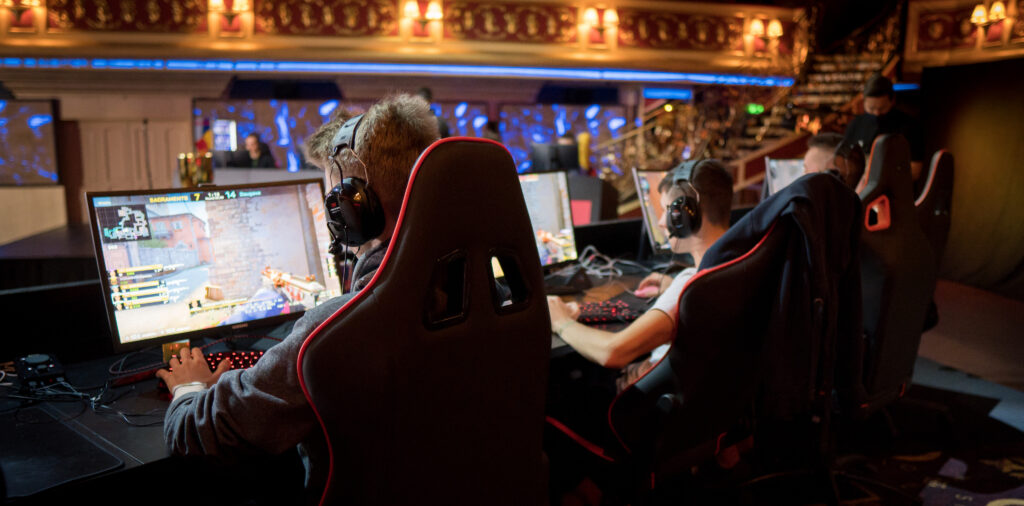
For a long time, gaming events were seen as isolated moments—one tournament, one night, one winner. But the competitive gaming landscape has evolved. Today, structured are becoming the backbone of sustainable competition. These events focus less on one-time excitement and more on building momentum—for players, teams, and communities.
Momentum is what keeps players returning, improving, and staying invested. Structured gaming events create that momentum by offering regular schedules, clear formats, and consistent expectations. Instead of chaos, they provide rhythm. Instead of pressure spikes, they deliver steady progress.
This blog explores how structured gaming events work, why they are redefining competitive participation, and how they benefit players far beyond trophies or rankings.
What Are Structured Gaming Events?
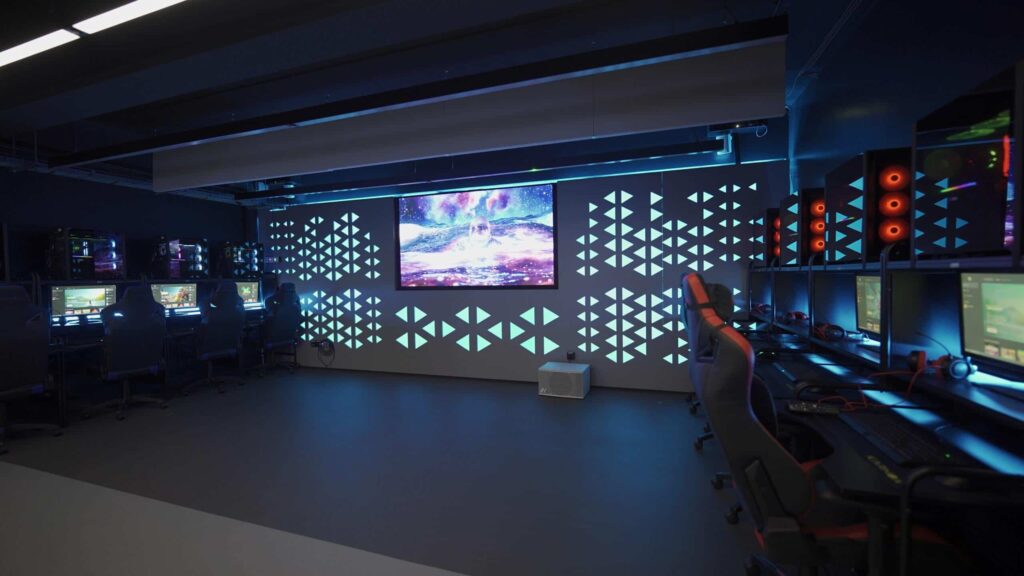
are competitive or semi-competitive formats designed with consistency and clarity at their core.
They usually include:
- Fixed schedules
- Clear rulesets
- Repeat participation
- Defined progression paths
Unlike one-off online gaming tournaments, structured gaming events are designed to be reliable experiences, not surprises.
Why Structure Changes Player Behavior
Structure influences how players behave.
When events are structured:
- Players prepare in advance
- Attendance becomes habitual
- Competition feels purposeful
This structure reduces randomness and encourages accountability. Players stop treating matches casually and start treating them as part of a longer journey.
Structured Gaming Events vs Casual Matchmaking
Casual matchmaking offers volume, not depth.
| Aspect | Casual Matchmaking | Structured Gaming Events |
|---|---|---|
| Consistency | Low | High |
| Learning | Random | Progressive |
| Accountability | Minimal | Strong |
| Community | Weak | Strong |
Structured gaming events provide depth through repetition and familiarity.
Competitive Gaming Events and Skill Progression
Skill improves best in predictable environments.
allow players to:
- Track improvement over time
- Identify recurring mistakes
- Test strategies repeatedly
This progression is difficult in random lobbies where conditions change every match.
Esports Community Events and Belonging
Belonging keeps players engaged.
Structured esports community events create:
- Familiar faces
- Ongoing rivalries
- Shared history
This sense of belonging transforms competition into a social experience, not just a performance test.
Online Gaming Tournaments With
Not all online tournaments are chaotic.
Structured formats introduce:
- Divisions or tiers
- Seasonal play
- Promotion and relegation
These elements create fairness and motivation, encouraging players to improve steadily instead of chasing lucky wins.
Organized Play Sessions and Habit Formation
Habits shape performance.
Organized play sessions within structured gaming events help players build:
- Regular practice routines
- Pre-match preparation habits
- Post-match review discipline
Habits formed in structured environments often transfer into higher competitive levels.
Structured Gaming Events and Emotional Balance
Emotional extremes harm consistency.
- Reduce anxiety through familiarity
- Normalize losses as part of seasons
- Prevent overreaction to single results
Players stay emotionally balanced, which supports long-term growth.
Fairness and Transparency in Structured Events
Fairness builds trust.
Structured emphasize:
- Transparent rules
- Consistent enforcement
- Clear dispute resolution
Trust keeps communities healthy and reduces conflict.
Role Discovery Through Repeated Competition
Many players don’t know their best roles early.
allow:
- Safe experimentation
- Role rotation
- Honest feedback
Over time, players naturally settle into roles that fit their strengths.
Structured Gaming Events and Team Chemistry
Chemistry requires repetition.
Regular structured events help teams:
- Understand playstyles
- Improve coordination
- Build communication rhythm
Strong chemistry often outperforms raw mechanical skill.
The Importance of Scheduling Consistency
Scheduling consistency removes uncertainty.
Players know:
- When to show up
- How long events last
- What commitment is required
This predictability improves attendance and professionalism.
Community Growth Through Structured Events
Communities grow when expectations are clear.
Structured :
- Reduce entry confusion
- Encourage long-term participation
- Support mentorship
Growth becomes organic rather than forced.
Structured Gaming Events and Content Opportunities
These events are ideal for content creation.
Creators can:
- Follow seasonal storylines
- Highlight player development
- Showcase rivalries
Content feels authentic because it evolves naturally.
Learning From Familiar Opponents
Facing familiar opponents accelerates growth.
Players learn:
- Opponent tendencies
- Counter-strategies
- Psychological patterns
This depth rarely exists in random competition.
Structured Gaming Events and Conflict Management
Conflict is inevitable.
Structured events handle conflict better because:
- Rules are predefined
- Moderation is consistent
- Social accountability exists
Healthy conflict resolution strengthens communities.
Inclusivity Through Predictable Formats
Predictable formats lower entry barriers.
New players feel:
- Less intimidated
- More supported
- Safer experimenting
Inclusivity increases participation and diversity.
Measuring Success Beyond Wins
In structured gaming events, success is broader.
Indicators include:
- Improved communication
- Strategic growth
- Player retention
Wins matter, but growth matters more.
Long-Term Motivation and Event Structure
Motivation fluctuates.
stabilize motivation by:
- Creating routine
- Offering achievable goals
- Providing social rewards
Consistency replaces hype.
Structured Gaming Events and Mental Resilience
Mental resilience develops gradually.
Players learn to:
- Recover from losses
- Stay focused across seasons
- Handle pressure calmly
Resilience built here transfers to higher competition.
Technology Supporting Structured Events
Technology simplifies structure.
Useful tools include:
- Match scheduling systems
- Ranking trackers
- Communication platforms
Technology enables consistency without complexity.
Scaling Structured Gaming Events Carefully
Growth should be controlled.
Rapid scaling risks:
- Weak moderation
- Reduced intimacy
- Lower match quality
Careful scaling preserves culture.
The Economic Advantage of Structured Events
are cost-efficient.
They rely on:
- Participation over prizes
- Consistency over spectacle
This makes them sustainable long-term.
Structured Gaming Events and Competitive Integrity
Integrity is easier to maintain in structured systems.
Repeated interaction:
- Discourages cheating
- Encourages fair play
- Protects reputation
Integrity builds respect.
The Future of Competitive Participation
The future favors structure.
Players increasingly value:
- Stability
- Community
- Growth opportunities
meet these needs better than one-off tournaments.
Final Thoughts: Structure Creates Staying Power
are not about limiting freedom—they are about creating momentum.
They turn competition into a journey, not a gamble. They support growth, emotional balance, and community health. For players who want more than short-term excitement, structured gaming events offer something far more valuable: staying power.
When competition has structure, improvement becomes inevitable—and that’s where real progress begins 😅
also influence how players perceive progress. In unstructured environments, progress feels random. One good day creates excitement, one bad day creates doubt. Structured gaming events replace this emotional randomness with measurable movement. Players start seeing improvement across weeks instead of matches. This long-view perspective reduces anxiety and increases commitment.
Another major shift created by structured gaming events is responsibility. When events are scheduled and recurring, players become accountable not only to themselves but to others. Missing a session affects teammates. Arriving unprepared impacts match quality. This shared responsibility builds professionalism organically, without strict enforcement.
also teach players how to prepare properly. Preparation goes beyond warming up aim or checking settings. Players begin reviewing previous matches, discussing strategies, and setting small goals for upcoming sessions. Preparation becomes part of the competitive experience rather than an optional extra.
One underestimated benefit is how reduce ego-driven behavior. In one-off tournaments, players often chase individual recognition. In structured environments, reputation is built slowly. Consistency, reliability, and teamwork become more valuable than flashy moments. Over time, ego gives way to effectiveness.
also improve communication maturity. Players learn when to speak, when to listen, and how to give feedback constructively. Because interactions are repeated, poor communication habits are quickly exposed. Good communication becomes a competitive advantage rather than a personality trait.
Another layer of growth comes from predictability. Predictable formats allow players to focus on gameplay rather than logistics. When players know the rules, timing, and expectations, mental energy shifts toward decision-making and execution. This predictability improves overall match quality.
\ also help players develop emotional pacing. Instead of experiencing extreme highs and lows in isolated events, players learn to manage emotions across a season. Wins feel satisfying but not overwhelming. Losses feel disappointing but not devastating. This emotional pacing supports long-term mental health.
For teams, structured gaming events create rhythm. Teams begin practicing with purpose, aligning practice sessions with upcoming matches. Scrims become intentional rather than random. This rhythm strengthens teamwork and reduces wasted effort.
Structured gaming events also make improvement visible to observers. Coaches, organizers, and content creators can track development over time. This visibility encourages constructive feedback and recognition based on growth rather than isolated performance.
Another important aspect is trust. Structured gaming events build trust between players and organizers. Clear rules, consistent scheduling, and fair enforcement create confidence in the system. Trust keeps players invested even during challenging periods.
Structured gaming events also support fair competition. Skill-based divisions, seasonal resets, and transparent ranking systems reduce frustration. Players compete against appropriate opponents, making matches competitive and educational rather than discouraging.
In many cases, structured gaming events act as social anchors. Players organize their schedules around them. Friendships form naturally through repeated interaction. This social element transforms competition into community.
Structured gaming events also reduce burnout. Because pressure is distributed over time, players do not feel constant urgency to perform perfectly. Breaks between seasons allow recovery. Burnout becomes manageable instead of inevitable.
Another benefit is adaptability. Structured gaming events can evolve formats gradually based on feedback. Communities can test changes without disrupting the entire ecosystem. This adaptability keeps events relevant without sacrificing stability.
Structured gaming events also promote ethical competition. Repeated interaction discourages cheating, toxicity, and unsportsmanlike behavior. Reputation matters. Ethical behavior becomes self-enforcing through community norms.
Players in structured gaming events learn to value preparation over impulse. Instead of rushing into matches emotionally, they approach competition thoughtfully. This mindset transfers to higher competitive levels.
Structured gaming events also help players understand their strengths and weaknesses clearly. Patterns emerge across multiple matches. Players can identify consistent mistakes and address them deliberately. This clarity accelerates improvement.
Another key advantage is leadership development. Structured environments naturally create opportunities for leadership. Team captains, shot callers, and organizers emerge. These leadership roles build skills that extend beyond gaming.
Structured gaming events also provide stability during game updates or meta shifts. Because everyone adapts together, change feels manageable. Players discuss adjustments collectively instead of struggling alone.
For newer players, structured gaming events offer safety. Clear rules and familiar opponents reduce intimidation. Beginners feel supported rather than judged. This safety increases retention and confidence.
Structured gaming events also encourage long-term thinking. Players stop chasing short-term validation and start focusing on sustainable growth. This mindset shift is critical for serious competitors.
Another overlooked impact is how structured gaming events improve decision patience. Players learn not to force plays because seasons allow recovery. This patience leads to smarter decision-making.
Structured gaming events also help teams handle conflict constructively. Disagreements are inevitable, but structure provides frameworks for resolution. Conflict becomes a learning opportunity instead of a breaking point.
From an organizer’s perspective, structured gaming events create predictability. Planning becomes easier. Feedback becomes actionable. Growth becomes manageable. Sustainable organization supports sustainable competition.
Structured gaming events also align well with content creation. Season arcs, rivalries, and player growth create natural narratives. Content feels authentic because it reflects real progression.
Another advantage is inclusivity. Structured formats lower barriers for diverse skill levels. Players can find appropriate divisions instead of being overwhelmed. Inclusivity strengthens ecosystems.
Structured gaming events also improve spectator experience. Viewers enjoy following familiar players and teams. Ongoing storylines increase engagement and loyalty.
In educational terms, structured gaming events create learning loops. Action, feedback, adjustment, and repetition occur naturally. Learning becomes continuous rather than accidental.
Structured gaming events also encourage discipline without rigidity. Flexibility exists within structure. Players learn balance rather than restriction.
Another benefit is consistency in standards. Behavior expectations become clear. Professionalism becomes normal. This consistency prepares players for higher competitive environments.
Structured gaming events also help players manage expectations. Success is measured across time, not moments. This realistic perspective reduces frustration.
As communities grow, structured gaming events provide scalable foundations. Growth does not destroy culture because structure preserves values.
Structured gaming events also foster mutual respect. Familiarity reduces hostility. Competition becomes intense but respectful.
From a developmental perspective, structured gaming events teach players how to lose well. Losses are processed constructively. Improvement follows.
Structured gaming events also support mental resilience. Players learn to stay composed under pressure because pressure is familiar.
Another important element is identity formation. Players develop clear competitive identities over time. This clarity improves role execution.
Structured gaming events also make success repeatable. Players understand what leads to wins and can replicate behaviors.
For casual competitors, structured gaming events provide meaning. Participation feels purposeful even without winning.
Structured gaming events also create pathways. Players can move from casual to competitive gradually. Clear progression keeps motivation alive.
In the long run, structured gaming events strengthen entire ecosystems. They produce skilled players, reliable organizers, and engaged communities.
Without structure, competition becomes chaotic and exhausting. With structure, competition becomes sustainable and rewarding.
Structured gaming events prove that growth is not about intensity alone. It is about consistency, clarity, and commitment.
They transform gaming from isolated experiences into shared journeys.
They remind players that improvement takes time—and that time is worth investing.
Ultimately, structured gaming events do not just create better competitors. They create better competitors who last.
And in competitive gaming, lasting is the real victory.
Structured gaming events also reshape how players define commitment. In casual environments, commitment is optional and inconsistent. In structured formats, commitment becomes part of identity. Players begin to see themselves not just as participants, but as contributors to a shared system. This subtle shift increases reliability and seriousness without forcing pressure.
Another important impact of structured gaming events is how they normalize feedback. Because competition happens regularly, feedback becomes expected rather than personal. Players learn to accept critique without defensiveness and give input without hostility. This culture of open feedback is rare in unstructured competitive spaces and is one of the strongest drivers of improvement.
Structured gaming events also teach pacing in ambition. Instead of aiming for instant dominance, players learn to set realistic milestones. Improvement is tracked over weeks or seasons, not single matches. This pacing prevents emotional exhaustion and keeps motivation stable even when progress feels slow.
From a strategic standpoint, structured gaming events reward planning over improvisation. Teams that prepare strategies, analyze opponents, and refine coordination outperform teams relying on raw mechanics alone. This encourages smarter play and elevates the overall competitive level of the community.
Another benefit lies in expectation clarity. Players know what is required to participate, what behavior is acceptable, and how outcomes are decided. This clarity reduces conflict and confusion. When expectations are clear, players focus more on performance and less on disputes.
Structured gaming events also improve reliability in attendance. Because schedules are predictable, players plan around events rather than skipping them impulsively. Reliable attendance strengthens team bonds and improves match quality across the board.
For organizers, structured gaming events create sustainable leadership pipelines. Experienced players often transition into organizers, moderators, or mentors. This continuity preserves institutional knowledge and prevents communities from collapsing when leadership changes.
Structured gaming events also enhance competitive storytelling. Progression arcs, redemption matches, and evolving rivalries naturally emerge. These narratives deepen emotional investment for both players and spectators, making competition more engaging without artificial hype.
Another subtle advantage is fairness perception. Even when players lose, they are more likely to accept outcomes as fair when systems are transparent and consistent. Fairness perception reduces frustration and increases long-term participation.
Structured gaming events also reduce the dominance of short-term luck. Over multiple matches or seasons, consistency is rewarded. This reinforces the idea that effort and discipline matter more than random outcomes.
From a psychological perspective, structured gaming events provide safety through familiarity. Familiar formats and opponents reduce anxiety, allowing players to perform closer to their actual skill level. Lower anxiety leads to better decision-making and execution.
Structured gaming events also encourage specialization. Over time, players identify the roles, strategies, or playstyles that suit them best. This specialization improves efficiency and team performance.
In the bigger picture, structured gaming events act as stabilizers for competitive ecosystems. They absorb fluctuations in player interest, game updates, and external trends. Stability allows communities to survive changes that would otherwise disrupt participation.
Finally, structured gaming events remind players why competition is enjoyable. They shift focus away from chaos and toward mastery. Competition becomes meaningful because it is shared, repeated, and purposeful.
In a space often driven by hype and instant gratification, structured gaming events quietly prove that consistency, clarity, and community still matter. They turn gaming into a long-term journey—one where improvement is earned, relationships are built, and competition remains sustainable.
And that is why structured gaming events continue to redefine how competitive participation truly works.