
Introduction: Competitive Gaming Is an Endurance Game
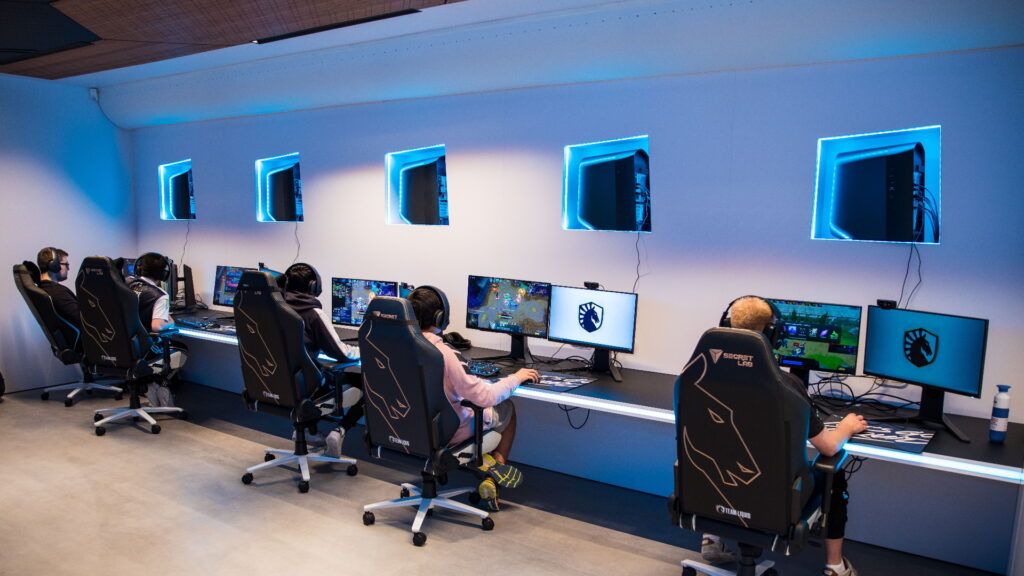
Competitive gaming is often discussed in terms of speed, reflexes, and explosive moments. What gets far less attention is endurance. Matches may last minutes, but practice sessions, scrims, and tournaments stretch across hours and sometimes days. This is where endurance-optimized gaming devices become critical.
Raw power and flashy specs look impressive, but they mean little if performance drops halfway through a session. Endurance-optimized gaming devices are designed to stay consistent, comfortable, and reliable over long periods. They support players not just at their peak, but throughout the entire competitive cycle.
This blog explores why endurance matters in competitive gaming, how endurance-optimized gaming devices support sustained performance, and why serious players should value longevity over momentary advantage.
What Are Endurance-Optimized Gaming Devices?
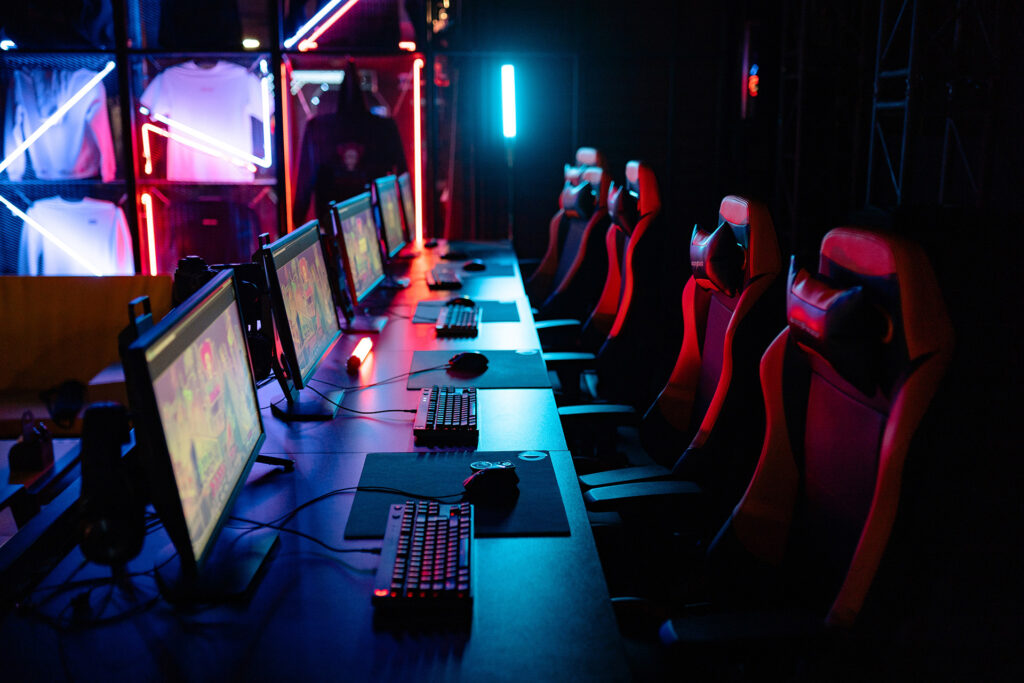
Endurance-optimized gaming devices are built with long-term performance stability as the priority.
They focus on:
- Comfort during extended sessions
- Minimal performance degradation
- Durable materials and construction
- Predictable behavior under fatigue
These devices are common among players who train seriously, compete regularly, and value consistency over novelty.
Why Endurance Is a Competitive Advantage
Competitive performance declines with fatigue.
As sessions extend:
- Reaction time slows
- Focus drops
- Decision-making becomes sloppy
Endurance-optimized gaming devices delay this decline. By reducing physical and mental strain, they help players maintain performance deeper into sessions when others begin to fade.
Physical Fatigue and Device Design
Fatigue often starts in the hands, wrists, neck, and eyes.
Endurance-optimized gaming devices address this by:
- Supporting natural hand posture
- Reducing excessive force requirements
- Minimizing unnecessary tension
Less physical fatigue means more mental clarity—and mental clarity wins games.
Endurance-Optimized Gaming Mice: Comfort Over Aggression
Many gaming mice emphasize aggressive shapes and ultra-light designs. While these can feel exciting initially, they often sacrifice long-term comfort.
Endurance-optimized gaming mice prioritize:
- Ergonomic shapes
- Balanced weight distribution
- Stable tracking over time
A mouse that feels comfortable after three hours is far more valuable than one that feels impressive for ten minutes.
Keyboards Designed for Long Sessions
Keyboards endure thousands of presses per session.
Endurance-optimized gaming keyboards focus on:
- Consistent actuation force
- Reduced finger strain
- Long-lasting switches
Keys that feel slightly heavier or more controlled often outperform ultra-light keys over long sessions because they reduce accidental inputs and fatigue.
Audio Devices and Cognitive Endurance
Audio fatigue is real.
Poor headsets cause:
- Ear discomfort
- Pressure headaches
- Listening fatigue
Endurance-optimized gaming headsets use:
- Balanced sound profiles
- Comfortable ear padding
- Stable microphone clarity
Clear, comfortable audio supports communication without draining focus.
Displays and Visual Endurance
Eye strain quietly ruins performance.
Endurance-optimized displays focus on:
- Stable brightness
- Reduced flicker
- Comfortable color balance
Visual comfort keeps players alert longer and prevents late-session mistakes.
Endurance-Optimized Gaming Devices and Cognitive Load
Cognitive load increases when devices require constant adjustment.
Endurance-optimized gaming devices reduce cognitive load by:
- Remaining predictable
- Eliminating distractions
- Maintaining consistent feedback
This frees mental resources for strategy and awareness.
Why Long Practice Sessions Reveal Device Weaknesses
Short sessions hide problems.
Long sessions expose:
- Grip discomfort
- Key fatigue
- Audio pressure points
Endurance-optimized gaming devices are built specifically to handle these conditions, making them ideal for serious training.
Endurance and Emotional Stability
Fatigue amplifies emotions.
As players tire:
- Frustration rises
- Tilt sets in faster
- Recovery slows
Comfortable, reliable devices reduce fatigue-driven emotional swings and help players stay composed.
Durability as a Performance Factor
Devices that wear down change behavior.
Endurance-optimized gaming devices use:
- Durable switches
- Reinforced cables
- Stable materials
Consistency over months matters more than peak performance on day one.
Endurance-Optimized Devices in Tournaments
Tournaments are endurance tests.
Players face:
- Back-to-back matches
- Limited breaks
- High mental demand
Endurance-optimized gaming devices ensure performance doesn’t drop when pressure peaks.
Injury Prevention and Longevity
Repetitive strain injuries end competitive journeys early.
Endurance-optimized gaming devices reduce injury risk by:
- Supporting ergonomic posture
- Minimizing excessive motion
- Encouraging relaxed grip
Longevity matters for anyone serious about competition.
Endurance-Optimized Gaming Devices and Practice Efficiency
Fatigued practice is inefficient.
When players tire quickly:
- Learning slows
- Mistakes increase
- Focus fades
Devices that support endurance increase the quality of every practice hour.
Avoiding the “Spec Trap”
High specs often ignore endurance.
Endurance-optimized gaming devices avoid:
- Overly aggressive designs
- Unnecessary features
- Short-term gimmicks
They succeed by being boring, reliable, and comfortable.
Smart Investment for Competitive Players
Endurance-focused purchases pay off long-term.
Priority order:
- Headset (comfort + clarity)
- Mouse (ergonomics)
- Keyboard (consistent feel)
- Display (eye comfort)
Spending wisely on endurance saves money and progress over time.
Endurance-Optimized Gaming Devices and Mental Discipline
When physical strain is low, mental discipline improves.
Players:
- Make fewer rushed decisions
- Stay calm under pressure
- Maintain focus longer
Endurance supports discipline.
Adaptability and Stable Endurance
Games change, but endurance needs remain.
Endurance-optimized gaming devices remain relevant across:
- Meta shifts
- Game updates
- Competitive formats
Stability supports adaptation.
Why Professionals Value Endurance
Professional players often use equipment that looks simple.
Why?
- It works for long hours
- It doesn’t distract
- It doesn’t break habits
Endurance beats excitement in real competition.
Endurance as the Silent Performance Multiplier
Endurance doesn’t show on highlight reels.
It shows in:
- Late-round decision-making
- Consistent aim
- Calm communication
These moments win matches quietly.
Final Thoughts: Endurance Wins When Everything Else Fades
Endurance-optimized gaming devices do not make players faster—they help them last.
They protect focus, reduce fatigue, and preserve performance when others decline. In competitive gaming, the ability to perform well for longer often matters more than peak speed or flashy moments.
When matches stretch, pressure builds, and fatigue sets in, endurance becomes the deciding factor.
And the players who invest in endurance-optimized gaming devices are the ones still performing when it matters most 😅
Endurance-optimized gaming devices also reshape how players mentally approach long competitive days. Many players underestimate how much decision quality drops after several hours of play. The issue is rarely motivation; it is fatigue. When devices demand constant micro-adjustments—repositioning a mouse, shaking out wrists, readjusting a headset—mental focus quietly leaks away. Endurance-optimized gaming devices minimize these interruptions, allowing attention to remain on the game itself rather than on physical discomfort.
Over time, this creates a psychological advantage. Players using endurance-optimized gaming devices often feel calmer late into sessions because their bodies are not signaling distress. Calmness under fatigue is a powerful competitive edge. It allows players to think clearly in late rounds, communicate patiently, and avoid emotional mistakes that decide close matches.
Another often ignored factor is consistency across days. Competitive gaming rarely happens in isolation. Players train multiple days in a row. Devices that feel fine on day one may cause strain by day three. Endurance-optimized gaming devices are designed with cumulative use in mind. They distribute pressure evenly, reduce friction points, and maintain comfort across consecutive sessions. This supports sustainable training cycles instead of boom-and-bust routines.
Endurance-optimized gaming devices also protect learning efficiency. Fatigue interferes with memory formation. When hands ache or eyes strain, the brain prioritizes discomfort over learning. By reducing physical strain, endurance-optimized gaming devices create better conditions for skill retention. Players remember lessons more clearly and apply improvements faster.
Another critical area is posture reinforcement. Poor posture often develops unconsciously during long sessions. Endurance-optimized gaming devices encourage neutral posture by aligning naturally with the body. Mice that fit the hand properly, keyboards that allow relaxed wrist angles, and headsets that balance weight evenly all contribute to healthier posture. Over time, this reduces chronic strain and supports longer competitive careers.
Endurance-optimized gaming devices also influence reaction discipline. Fatigue often leads to overreactions—panic flicks, rushed decisions, unnecessary aggression. Comfortable, predictable hardware helps players maintain controlled reactions even when tired. This control separates disciplined competitors from reckless ones.
In team environments, endurance matters even more. One fatigued player can destabilize communication and decision flow for the entire team. Endurance-optimized gaming devices reduce fatigue-driven communication breakdowns. Clear microphones, comfortable headsets, and stable input devices help teams stay coordinated deep into matches.
Another advantage is emotional resilience. Fatigue amplifies negative emotions. Frustration feels stronger, mistakes feel heavier, and recovery takes longer. By minimizing physical exhaustion, endurance-optimized gaming devices indirectly support emotional balance. Players remain composed, accept mistakes faster, and refocus more effectively.
Endurance-optimized gaming devices also help players handle unpredictable schedules. Competitive players often deal with irregular match times, delays, or extended tournament days. Devices built for endurance adapt better to these conditions. Performance remains stable even when schedules are not ideal.
From a strategic perspective, endurance allows better long-term planning. Players who trust their hardware to remain comfortable can commit to structured practice blocks without fear of burnout. This confidence encourages disciplined routines rather than sporadic bursts of effort.
Another subtle benefit is reduction in compensatory behavior. When devices are uncomfortable, players unconsciously compensate—changing grip, altering posture, adjusting sensitivity mid-session. These compensations disrupt muscle memory and consistency. Endurance-optimized gaming devices reduce the need for compensation, preserving mechanical stability.
Endurance also supports adaptability. Games evolve, metas shift, and strategies change. Players with stable physical conditions adapt faster because they are not fighting fatigue while learning new mechanics. Endurance-optimized gaming devices free cognitive resources for adaptation instead of survival.
Durability plays a major role here as well. Devices that degrade quickly introduce new discomforts over time. Endurance-optimized gaming devices are built with materials that resist wear, ensuring that comfort and performance remain consistent across months or years. This long-term reliability protects muscle memory and reduces retraining costs.
Another overlooked aspect is recovery speed. After intense sessions, recovery time matters. Comfortable devices reduce post-session strain, allowing players to recover faster and return to training sooner. Faster recovery supports higher practice volume without sacrificing health.
Endurance-optimized gaming devices also support fair self-assessment. Fatigue distorts perception. Players may blame skill when the issue is physical exhaustion. By minimizing fatigue, these devices allow players to judge performance accurately and make smarter adjustments.
In competitive ecosystems, endurance becomes a silent filter. Players who cannot sustain long sessions naturally fall behind. Endurance-optimized gaming devices level the field by allowing more players to reach their true potential without being limited by physical strain.
Another advantage is focus sustainability. Focus is not infinite. It decays faster under discomfort. Comfortable hardware extends focus windows, allowing players to stay mentally sharp for longer stretches. Extended focus leads to better pattern recognition and strategic depth.
Endurance-optimized gaming devices also influence practice quality distribution. Instead of front-loading effort and declining rapidly, players maintain steadier performance across sessions. This even distribution produces more consistent improvement.
From a coaching perspective, endurance matters greatly. Coaches prefer players whose performance remains stable across sessions. Endurance-optimized gaming devices help players meet these expectations by reducing performance volatility caused by fatigue.
Another important factor is confidence stability. Confidence fluctuates with performance. Fatigue-induced mistakes erode confidence quickly. By reducing fatigue, endurance-optimized gaming devices protect confidence during long sessions, keeping players mentally resilient.
Endurance also supports specialization. Specialized roles often require sustained focus—support roles managing information, anchors holding positions, shot callers coordinating teams. These roles suffer most from fatigue. Endurance-optimized gaming devices support role reliability.
In high-stakes environments, endurance separates contenders from spectators. Matches are often decided late, when exhaustion sets in. Players whose hardware supports endurance maintain clarity when others falter.
Endurance-optimized gaming devices also reduce long-term health risks. Chronic pain, repetitive strain injuries, and vision problems are common among competitive gamers. Devices designed for endurance mitigate these risks by supporting healthier interaction patterns.
Another subtle benefit is motivation preservation. Physical discomfort drains motivation over time. When training feels physically sustainable, motivation lasts longer. Endurance-optimized gaming devices make training feel manageable rather than punishing.
Endurance supports learning plateaus as well. Many players quit during plateaus because fatigue makes progress feel impossible. Comfortable hardware allows players to persist through plateaus until breakthroughs occur.
From a financial standpoint, endurance-optimized gaming devices offer better value. Devices that last longer and support sustained performance reduce replacement frequency and medical costs associated with strain.
Endurance also affects spectatorship indirectly. Players who perform consistently late into matches create higher quality competition. This improves viewer experience and competitive legitimacy.
Another area is habit reinforcement. Comfortable devices encourage consistent practice habits. Players are more likely to stick to schedules when sessions do not cause discomfort.
Endurance-optimized gaming devices also reduce anxiety. Knowing that hardware will not become uncomfortable reduces pre-session stress. Players enter matches calmer and more focused.
In environments where travel is involved, endurance becomes even more critical. Long flights, unfamiliar setups, and extended event days strain the body. Endurance-optimized gaming devices provide familiarity and comfort in unfamiliar conditions.
Endurance also improves communication patience. Fatigue often shortens tempers. Comfortable hardware supports respectful communication even during stressful moments.
Another benefit is consistency under pressure. Pressure magnifies fatigue. Endurance-optimized gaming devices maintain comfort even when stress levels rise, protecting execution.
Endurance supports ethical competition. Fatigued players are more likely to cut corners or lash out. Comfortable conditions encourage sportsmanship and professionalism.
Endurance-optimized gaming devices also allow players to focus on strategy refinement. When physical needs are met, mental energy shifts toward improvement rather than endurance.
In long-term competitive journeys, endurance defines sustainability. Talent without endurance fades quickly. Endurance allows talent to mature.
Endurance-optimized gaming devices therefore act as silent career enablers. They do not create highlights, but they make highlights possible repeatedly.
Ultimately, competitive gaming rewards those who can perform well not just briefly, but consistently over time. Endurance-optimized gaming devices support this reality by protecting focus, health, and confidence.
They allow players to show up every day, perform reliably, and improve steadily.
And in competitive gaming, showing up consistently is what separates temporary success from lasting impact.
That is why endurance-optimized gaming devices matter far more than raw power ever will.
Endurance supports ethical competition. Fatigued players are more likely to cut corners or lash out. Comfortable conditions encourage sportsmanship and professionalism.
Endurance-optimized gaming devices also allow players to focus on strategy refinement. When physical needs are met, mental energy shifts toward improvement rather than endurance.
In long-term competitive journeys, endurance defines sustainability. Talent without endurance fades quickly. Endurance allows talent to mature.
Endurance-optimized gaming devices therefore act as silent career enablers. They do not create highlights, but they make highlights possible repeatedly.
Ultimately, competitive gaming rewards those who can perform well not just briefly, but consistently over time. Endurance-optimized gaming devices support this reality by protecting focus, health, and confidence.
They allow players to show up every day, perform reliably, and improve steadily.
And in competitive gaming, showing up consistently is what separates temporary success from lasting impact.
Built for the Long Run: Why Endurance-Optimized Gaming Devices Matter More Than Raw Power in 2025
Built for the Long Run: Why Endurance-Optimized Gaming Devices Matter More Than Raw Power in 2025
Built for the Long Run: Why Endurance-Optimized Gaming Devices Matter More Than Raw Power in 2025
Built for the Long Run: Why Endurance-Optimized Gaming Devices Matter More Than Raw Power in 2025
Built for the Long Run: Why Endurance-Optimized Gaming Devices Matter More Than Raw Power in 2025
Built for the Long Run: Why Endurance-Optimized Gaming Devices Matter More Than Raw Power in 2025
Built for the Long Run: Why Endurance-Optimized Gaming Devices Matter More Than Raw Power in 2025
Built for the Long Run: Why Endurance-Optimized Gaming Devices Matter More Than Raw Power in 2025