
Introduction: Winning Starts Before the Match Begins
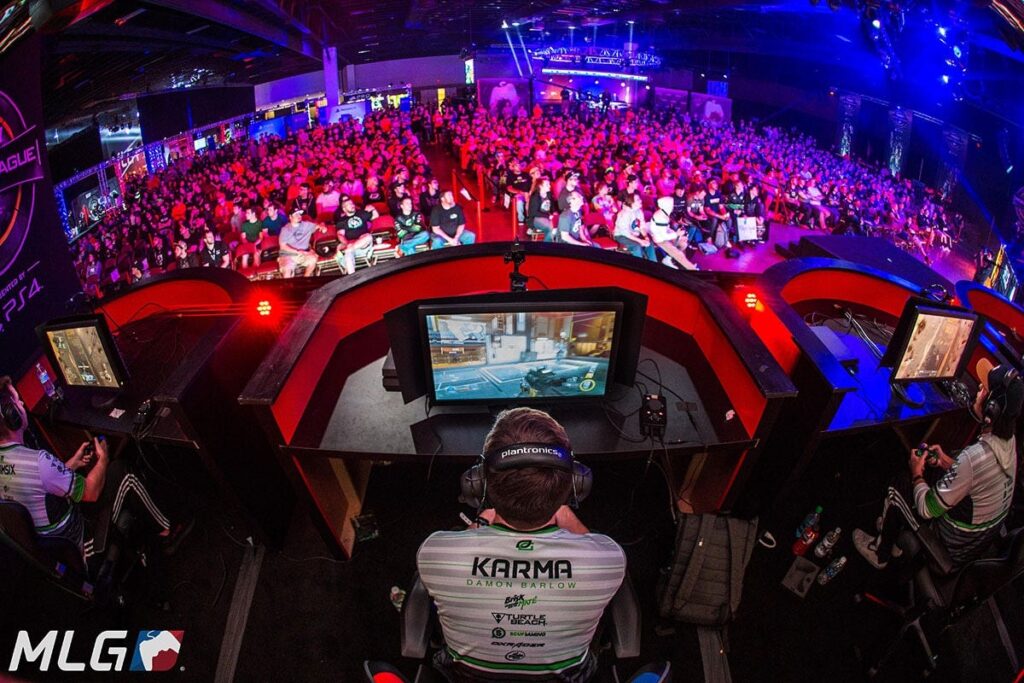
Most players think competition is decided inside the game. In reality, the outcome is often influenced before the match even starts. The gaming devices a player uses—mouse, keyboard, headset, display—quietly shape performance, confidence, and consistency. This is why matter far more than flashy specs or hype-driven upgrades.
Reliable gaming devices do not promise instant improvement. Instead, they remove uncertainty. They ensure that what you practice is what you perform. Over time, this reliability becomes a competitive advantage that separates consistent players from inconsistent ones.
This blog explains why are smarter choices, how they impact competitive play, and why long-term stability beats short-term excitement.
What Are Reliable Gaming Devices?
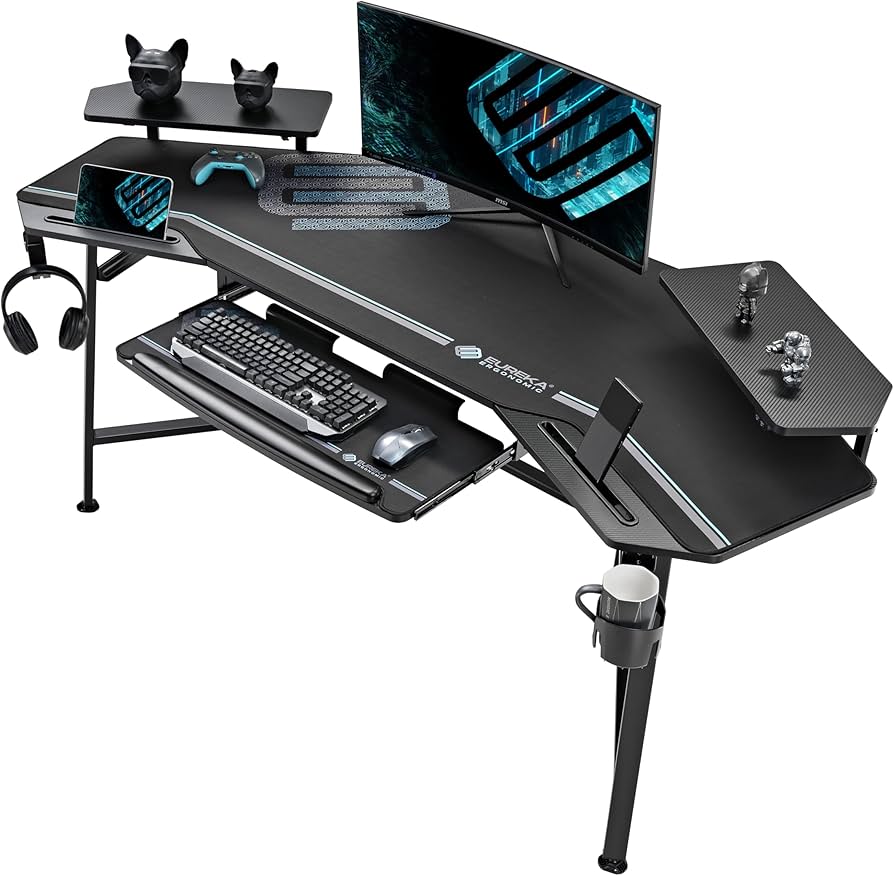
are built to perform the same way, every time, across long sessions and changing conditions.
They prioritize:
- Consistent input response
- Predictable behavior under pressure
- Comfort during extended use
- Durability over months and years
Unlike trend-based gear, focus on performance stability rather than novelty.
Why Reliability Beats Raw Specs
High specs look impressive on paper, but competitive gaming values predictability.
A device that performs exceptionally one day and inconsistently the next creates doubt. Doubt slows reaction time, breaks muscle memory, and increases frustration. Reliable gaming devices remove this doubt by behaving exactly as expected.
Consistency builds trust. Trust builds confidence. Confidence improves performance.
Reliable Gaming Devices and Muscle Memory
Muscle memory is the backbone of competitive execution.
It develops through:
- Repetition
- Stable feedback
- Minimal variation
When devices change behavior—even slightly—muscle memory weakens. Reliable gaming devices protect muscle memory by maintaining the same feel, response, and balance across sessions.
This protection allows players to improve steadily instead of constantly adapting.
Reliable Gaming Mice: Control Over Hype
Gaming mice often chase extreme features, but competitive players value control.
Reliable gaming mice focus on:
- Stable sensor tracking
- Comfortable shape
- Consistent clicks
- Balanced weight
Ultra-light designs or extreme DPI numbers matter less than how the mouse feels after hours of play. A mouse that stays comfortable and predictable wins over time.
Keyboards Built for Consistent Performance
Keyboards handle constant input.
Reliable gaming keyboards emphasize:
- Uniform key response
- Anti-ghosting
- Durable switches
- Minimal input failure
Whether mechanical or membrane, reliability matters more than switch type. Consistent actuation builds confidence in movement and ability execution
Headsets and Audio Reliability in Competitive Play
Audio is information.
Reliable gaming headsets deliver:
- Clear directional sound
- Balanced audio profiles
- Stable microphone quality
Inconsistent audio causes hesitation. Reliable audio improves awareness, communication, and reaction speed—especially in team-based games.
Displays and Visual Stability
Visual comfort directly affects focus.
Reliable displays prioritize:
- Stable refresh behavior
- Low response time
- Reduced eye strain
Extreme refresh rates help, but stability and comfort matter more during long competitive sessions.
Reliable Gaming Devices and Cognitive Load
Cognitive load increases when players worry about hardware.
Unreliable devices force players to:
- Adjust settings mid-game
- Question missed inputs
- Manage discomfort
Reliable gaming devices reduce cognitive load, freeing mental energy for strategy, positioning, and decision-making.
Confidence Built on Predictable Gear
Confidence in competition comes from control.
When players trust their gear:
- Hesitation decreases
- Execution improves
- Recovery after mistakes is faster
Reliable gaming devices support this confidence by removing uncertainty during high-pressure moments.
Reliable Gaming Devices in Online Competition
Online matches already include variables like latency and server conditions.
Adding unreliable hardware makes things worse. Reliable gaming devices reduce unnecessary variables, ensuring performance depends on skill—not technical issues.
Team Performance and Hardware Reliability
In team play, one unstable setup affects everyone.
Reliable gaming devices across a team:
- Reduce delays
- Improve communication
- Prevent blame culture
Teams with stable setups focus on improvement instead of excuses.
Practice Quality and Honest Feedback
Practice is only effective when feedback is accurate.
Unreliable devices distort feedback, making it unclear whether mistakes are mechanical or strategic. Reliable gaming devices ensure practice reflects real skill gaps.
This clarity accelerates improvement.
Durability and Long-Term Value
Reliable gaming devices are long-term investments.
They:
- Maintain performance over time
- Reduce replacement cycles
- Protect muscle memory
Devices that degrade quickly silently slow progress.
Avoiding the Upgrade Trap
Constant upgrading resets learning curves.
Reliable gaming devices discourage unnecessary changes, allowing improvement to compound instead of restarting.
Stability beats novelty in competitive gaming.
Injury Prevention and Ergonomic Reliability
Poor ergonomics cause injuries.
Reliable gaming devices emphasize:
- Natural posture
- Reduced strain
- Long-session comfort
Healthy players practice longer and perform better.
Professionalism and Competitive Reputation
Reliable setups reflect professionalism.
Players known for stable performance earn trust faster than those constantly facing technical issues. Reliability supports credibility in competitive scenes.
Why Professionals Prefer Simple Gear
Professional players often use simple-looking setups.
Why?
- They work
- They feel familiar
- They don’t distract
Reliable gaming devices fade into the background, letting skill shine.
Reliable Gaming Devices as Silent Partners
The best devices are invisible.
They:
- Don’t surprise
- Don’t frustrate
- Don’t demand attention
Reliable gaming devices support every action without interference.
Final Thoughts: Reliability Is the Smart Advantage
Reliable gaming devices do not create skill—but they protect it.
They preserve muscle memory, reduce mental load, and support confidence under pressure. In competitive gaming, the smartest advantage is not extreme speed or flashy design—it is consistency.
When hardware becomes invisible, performance becomes visible.
That is why reliable gaming devices remain the smartest choice for serious players 😅
Reliable gaming devices also change how players approach mistakes. When hardware is unstable, players often blame devices for errors, even when the mistake was mechanical or strategic. Over time, this habit blocks improvement. With reliable gaming devices, mistakes feel honest. Players can clearly identify what went wrong and focus on fixing the real issue. This clarity accelerates learning and prevents wasted effort.
Another critical impact of reliable gaming devices is how they shape decision timing. Competitive games demand precise timing—when to peek, when to engage, when to retreat. Hardware inconsistency introduces hesitation. Players delay actions subconsciously, unsure if inputs will register correctly. Reliable gaming devices remove this hesitation, allowing players to act decisively. Decisiveness often matters more than speed in competitive scenarios.
Reliable gaming devices also influence long-term confidence cycles. Confidence in gaming is fragile when built on occasional success. It collapses quickly after a few bad sessions. When confidence is built on reliable gear, it becomes stable. Players trust that their execution reflects their current skill level. This trust prevents emotional spirals and supports steady improvement.
In high-pressure matches, reliable gaming devices become even more valuable. Stress magnifies every weakness. Small input delays feel larger. Minor discomfort feels unbearable. Reliable devices minimize these stress amplifications. They provide a stable physical and technical foundation that allows players to focus purely on gameplay decisions.
Reliable gaming devices also support adaptability. Competitive games evolve constantly through balance updates, patches, and meta shifts. Players using unreliable setups must relearn mechanics while also adapting to new strategies. This double burden slows adaptation. Reliable gaming devices keep mechanics stable, allowing players to focus solely on strategic changes.
Another overlooked benefit is practice efficiency. Many players spend hours practicing but see limited progress. One reason is inconsistent feedback caused by unstable hardware. Reliable gaming devices make practice feedback clean and repeatable. Each session builds on the last instead of resetting progress. Over time, practice efficiency improves dramatically.
Reliable gaming devices also reduce cognitive fatigue. Constantly adjusting grip, sensitivity, or posture drains mental energy. Reliable devices remove these micro-decisions. Players enter a flow state more easily and remain there longer. Flow state is where peak performance and fastest learning occur.
From a team perspective, reliable gaming devices create trust between teammates. When teammates know each other’s setups are stable, communication improves. Players stop questioning execution and start trusting calls. This trust strengthens coordination and reduces internal conflict.
Reliable gaming devices also support role consistency. In competitive teams, players specialize in roles that require consistent mechanical output. Entry players rely on precise aim. Support players rely on audio clarity. Anchors rely on positional control. Reliable devices ensure role performance remains stable across matches.
Another major advantage is reduced tilt. Tilt often begins with frustration caused by technical issues. Missed inputs, audio glitches, or discomfort push players toward emotional reactions. Reliable gaming devices remove these triggers. Without unnecessary frustration, players recover from mistakes faster.
Reliable gaming devices also protect muscle memory over time. Muscle memory is slow to build and easy to disrupt. Frequent hardware changes reset progress. Reliable devices encourage long-term commitment to a single setup, allowing muscle memory to mature fully. Mature muscle memory produces calm, controlled execution under pressure.
In long competitive sessions, reliable gaming devices shine the most. Early in sessions, most devices perform adequately. Problems appear later. Reliable devices are designed to maintain performance consistency deep into sessions, when fatigue sets in and stakes rise.
Another subtle effect is improved strategic patience. When players trust their devices, they are less likely to force plays out of frustration. They wait for better opportunities, hold positions longer, and make smarter decisions. Patience is a competitive advantage that reliable gear quietly supports.
Reliable gaming devices also influence recovery speed after matches. Physical discomfort prolongs recovery. Comfortable, reliable devices reduce post-session strain, allowing players to return to practice sooner and with better focus. Faster recovery supports higher training volume without burnout.
From a financial perspective, reliable gaming devices offer better value. Frequent replacements cost money and time. Reliable devices last longer, reducing long-term expenses and disruption. Stability saves both resources and progress.
Reliable gaming devices also contribute to competitive integrity. When players compete with stable hardware, outcomes reflect skill rather than technical luck. Fair competition builds respect among players and strengthens the overall ecosystem.
In organized competitions, reliability signals professionalism. Players known for stable setups are trusted more by teammates, organizers, and coaches. This trust opens opportunities for higher-level competition.
Reliable gaming devices also support consistent mental preparation. Pre-match routines become simpler when hardware behavior is predictable. Players enter matches calm and focused instead of anxious about equipment.
Another advantage is clarity during reviews. When reviewing gameplay, players using reliable devices can accurately identify mistakes. There is no doubt about whether an input failed or audio misled them. Clear reviews lead to targeted improvement.
Reliable gaming devices also reduce the temptation to over-tweak settings. Constant tweaking creates instability. Reliable devices encourage players to settle on settings and focus on gameplay improvement rather than endless optimization.
In competitive ladders, consistency determines rank progression. Players who perform reliably climb steadily. Those with unstable performance fluctuate. Reliable gaming devices support steady progression by reducing variance.
Reliable gaming devices also support healthy competitive identity. Players understand their strengths and weaknesses accurately. This self-awareness improves goal setting and motivation.
Another benefit is reduced performance anxiety. Anxiety often stems from uncertainty. Reliable devices remove uncertainty about execution, allowing players to focus on decisions rather than outcomes.
Reliable gaming devices also enhance communication clarity. Stable microphones and audio profiles prevent miscommunication during critical moments. Clear communication wins matches more often than mechanical skill alone.
In esports environments, reliable gaming devices are essential for long-term careers. Careers end not because of lack of talent, but because of burnout, injury, or inconsistency. Reliable devices address all three risks.
Reliable gaming devices also support ethical competition. Players are less likely to blame external factors or accuse opponents when their own setup is stable. Accountability increases.
Another often ignored factor is sleep quality. Discomfort during long sessions affects sleep. Reliable, comfortable devices reduce physical strain, improving rest and recovery. Better rest leads to better performance.
Reliable gaming devices also help players maintain motivation during losing streaks. When losses feel fair, players stay motivated. When losses feel technical, motivation collapses. Reliability preserves motivation.
In team tryouts or scouting situations, reliable devices allow players to showcase true ability. Technical issues during tryouts can cost opportunities. Reliable gear protects against this risk.
Reliable gaming devices also support consistency across different environments. Whether playing at home, bootcamps, or events, familiar reliable gear reduces adaptation time.
Another key advantage is focus longevity. Reliable devices help players maintain attention across long matches. Sustained attention improves macro decisions and awareness.
Reliable gaming devices also encourage healthy competitive habits. Players who trust their gear practice more intentionally and review performance more honestly.
Over time, reliable gaming devices become invisible. They disappear from conscious thought. When that happens, players reach their highest potential.
Ultimately, competitive gaming rewards consistency above all else. Reliable gaming devices are not shortcuts to success. They are foundations that allow effort to translate into progress.
They do not guarantee wins, but they ensure that wins and losses reflect reality.
And in competitive gaming, reality is the only place where real improvement happens.
That is why reliable gaming devices remain essential for anyone serious about long-term competitive growth.
Reliable gaming devices also shape how players handle pressure over time. Pressure in competitive gaming rarely comes all at once. It builds slowly—through close rounds, long sessions, and high expectations. When hardware is unreliable, pressure compounds faster. Players start worrying about execution instead of strategy. Reliable gaming devices remove this extra layer of stress, allowing players to stay mentally present even when stakes rise.
Another important effect is consistency in warm-up routines. Warm-ups are designed to prepare muscle memory and focus. If devices behave differently from day to day, warm-ups lose effectiveness. Reliable gaming devices ensure that warm-ups actually translate into match performance. What players practice before a match is what they experience during it. This alignment increases confidence from the very start of competition.
Reliable gaming devices also support realistic goal setting. When performance data is consistent, players can track progress accurately. They know whether aim has improved, reactions have sharpened, or communication has become cleaner. This clarity prevents false conclusions and helps players set achievable goals. Clear goals keep motivation stable and prevent burnout caused by unrealistic expectations.
In competitive communities, reliable gaming devices also influence respect. Players who perform consistently are taken more seriously, regardless of rank. Consistency signals discipline and professionalism. Over time, this reputation opens doors to better teams, stronger practice groups, and higher-quality competition.
Another subtle benefit is reduced overthinking. Inconsistent hardware forces players to analyze every mistake deeply, even when unnecessary. Reliable gaming devices reduce overanalysis. Players accept mistakes, learn from them, and move forward without getting stuck. This mental flexibility improves long-term performance.
Reliable gaming devices also help players maintain rhythm. Competitive games often rely on rhythm—movement patterns, timing windows, and communication flow. Hardware inconsistency breaks rhythm. Reliable devices protect it. Rhythm creates smooth gameplay, and smooth gameplay often outperforms raw aggression.
From a health perspective, reliable gaming devices reduce cumulative stress. Small discomforts may feel manageable individually, but over months they add up. Reliable, comfortable devices prevent these small issues from becoming chronic problems. This protection allows players to stay active in competition longer.
Another area is adaptability under fatigue. Late in sessions, unreliable hardware magnifies fatigue effects. Reliable gaming devices minimize this impact, allowing players to adapt strategies even when tired. Adaptability late into matches often decides outcomes.
Reliable gaming devices also encourage trust in practice partners. When everyone uses stable setups, feedback becomes meaningful. Teammates can critique gameplay honestly without questioning technical factors. Honest feedback strengthens teams faster than polite silence.
In the long run, reliable gaming devices support sustainable ambition. Players can aim higher without risking physical or mental breakdown. They can train harder, compete longer, and recover faster. Ambition becomes manageable instead of destructive.
Ultimately, reliable gaming devices do one crucial thing: they align effort with outcome. When players work hard, improvement follows. When they make mistakes, lessons are clear. Nothing is lost to uncertainty.
That alignment is rare in competitive environments—and incredibly valuable.
This is why reliable gaming devices are not just tools. They are enablers of clarity, confidence, and long-term competitive growth.