
Competitive gaming is often shown as an individual journey—one player, one screen, one result. In reality, the strongest competitors are rarely built alone. They grow inside community-driven gaming events, where shared experience, repeated interaction, and mutual respect shape both skill and mindset.
Unlike large, impersonal tournaments, community-driven gaming events focus on people first. They create environments where players return not just to win, but to improve, connect, and belong. Over time, this sense of community becomes a powerful competitive advantage.
This article explores how community-driven gaming events work, why they are becoming more popular, and how they quietly create better competition than traditional formats.
What Are Community-Driven Gaming Events?
Community-driven gaming events are competitions designed around regular participation and social continuity.
They usually include:
- Familiar players and teams
- Repeating schedules
- Open communication with organizers
- Shared rules and values
Instead of one-time tournaments, these events are ongoing experiences that evolve with the community.
Why Community Changes Competitive Behavior
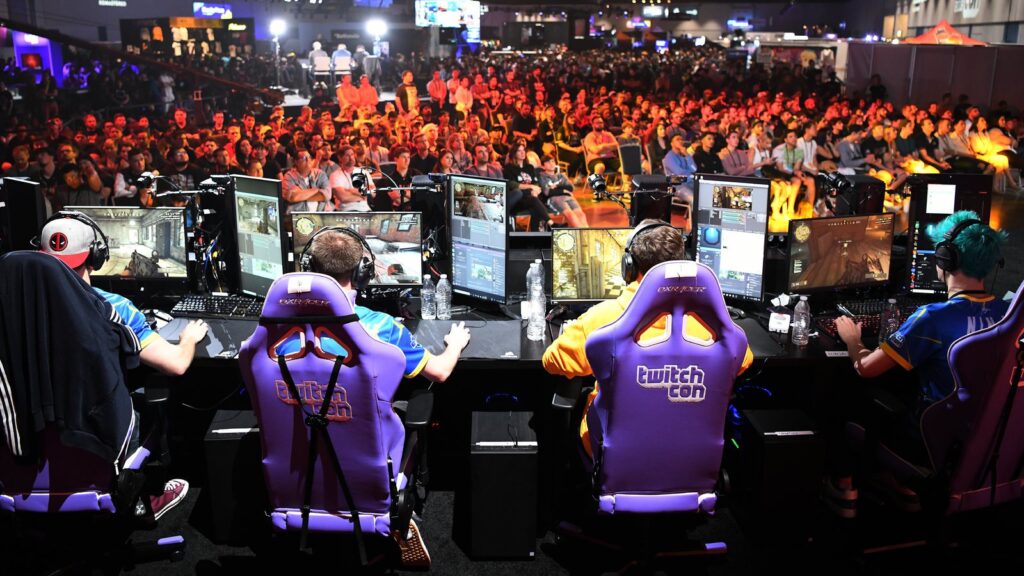
When players recognize each other, behavior changes.
In community-driven gaming events:
- Sportsmanship improves
- Toxic behavior decreases
- Accountability increases
Players compete hard, but they also respect the environment. This balance leads to healthier competition and stronger long-term engagement.
Competitive Gaming Events Without Intimidation
Many players avoid competition because it feels intimidating.
Community-driven gaming events reduce fear by:
- Welcoming beginners
- Encouraging learning
- Normalizing mistakes
When fear drops, participation rises—and higher participation strengthens competition overall.
Esports Community Events and Skill Growth
Skill grows best with repetition and feedback.
Community esports events allow players to:
- Face the same opponents multiple times
- Learn tendencies and counters
- Apply lessons quickly
This repeated exposure accelerates improvement far more than random matchmaking.
Online Gaming Events That Feel Personal
Most online gaming events feel anonymous.
Community-driven formats feel personal because:
- Players know each other
- Communication is open
- Progress is visible
This personal connection keeps players invested even when results fluctuate.
Organized Gaming Competitions and Fairness
Fairness builds trust.
Community-driven gaming events emphasize:
- Transparent rules
- Consistent moderation
- Clear expectations
Players are more likely to accept losses when they trust the system.
How Community-Driven Events Reduce Toxicity
Toxicity thrives in short-term, anonymous environments.
Community-driven gaming events reduce toxicity naturally because:
- Reputation matters
- Behavior is remembered
- Respect is rewarded
Healthy competition replaces hostility.
Motivation Beyond Winning
In community-driven gaming events, motivation changes.
Players compete to:
- Improve
- Support teammates
- Represent their community
Winning matters—but growth matters more. This mindset keeps players active longer.
Team Chemistry Built Through Community Play
Teams improve faster when members interact regularly.
Community-driven gaming events:
- Strengthen communication
- Build trust
- Encourage role stability
Strong chemistry often beats raw mechanical skill.
Learning From Familiar Opponents
Facing familiar opponents creates strategic depth.
Players learn:
- Playstyle patterns
- Psychological habits
- Tactical weaknesses
This depth makes matches more meaningful and educational.
Community-Driven Gaming Events and Mental Comfort
Mental comfort improves performance.
Players feel calmer when:
- Formats are familiar
- Opponents are known
- Rules are consistent
Calm players make better decisions under pressure.
Content Creation and Community Gaming Events
Community-driven gaming events are content-friendly.
They create:
- Ongoing storylines
- Player growth arcs
- Rivalries that feel real
Audiences connect more deeply with these narratives.
The Role of Organizers in Community Events
Organizers are culture builders.
Good organizers:
- Communicate openly
- Listen to feedback
- Protect community values
Strong leadership keeps communities healthy.
Community Events and Long-Term Retention
Retention defines success.
Community-driven gaming events retain players by:
- Creating belonging
- Reducing burnout
- Supporting improvement
Retained players strengthen ecosystems.
Inclusivity Through Community Design
Inclusivity improves competition.
Community-driven gaming events:
- Support multiple skill levels
- Encourage diverse participation
- Lower entry barriers
More diversity means richer competition.
Why Community-Driven Gaming Events Are the Future
As gaming matures, players seek more than chaos and prizes.
Community-driven gaming events offer:
- Stability
- Growth
- Human connection
They align with what long-term competitors actually want.
Final Thoughts: Competition Is Stronger When Shared
Community-driven gaming events prove that competition doesn’t have to be lonely to be serious.
When players grow together, competition becomes deeper, healthier, and more sustainable. Communities create trust, trust creates commitment, and commitment creates better competitors.
In the future of gaming events, the strongest advantage will not be prize money—it will be people.
And people grow best together 😅
Community-driven gaming events also transform how players perceive competition itself. In isolated tournaments, competition feels like a test you either pass or fail. In community-driven formats, competition feels like a shared process. Players stop viewing opponents as obstacles and start seeing them as reference points for growth. This subtle shift reduces hostility and increases respect, which ultimately raises the quality of play.
Another major impact is consistency in participation. When players feel connected to a community, attendance becomes habitual rather than forced. Players plan their schedules around events instead of fitting events into spare time. This consistency improves match quality, reduces last-minute dropouts, and strengthens the reliability of the entire ecosystem.
Community-driven gaming events also improve how players handle pressure. Pressure in competitive gaming is unavoidable, but communities soften its edges. When players know they will have future opportunities, single matches feel less overwhelming. This reduces panic decisions and encourages smarter, calmer gameplay. Over time, players develop genuine composure rather than fragile confidence.
From a skill development perspective, community-driven gaming events offer a rare advantage: contextual learning. Players learn not only from their own matches but from watching others in the same community. Observing familiar players improves pattern recognition and strategic understanding. Learning becomes collective instead of isolated.
Another powerful effect is accountability without fear. In anonymous environments, accountability often comes through punishment. In community-driven gaming events, accountability comes through reputation. Players naturally correct behavior because they care about how they are perceived. This creates healthier self-regulation than strict enforcement ever could.
Community-driven gaming events also encourage patience. Fast results are rare, but visible progress keeps players engaged. Seeing peers improve over weeks and months reinforces the idea that growth takes time. This patience protects players from quitting early or chasing unrealistic shortcuts.
For teams, community-driven gaming events provide stability. Teams that participate regularly develop shared language, rhythm, and trust. Communication becomes intuitive. Players anticipate each other’s actions instead of reacting late. This synergy often outperforms teams built solely on individual skill.
Another important benefit is conflict maturity. Disagreements still happen, but communities learn how to resolve them constructively. Players understand that burning bridges hurts future opportunities. This awareness encourages respectful dialogue and compromise. Healthy conflict resolution strengthens long-term collaboration.
Community-driven gaming events also improve inclusivity without lowering standards. New players are welcomed, but expectations remain clear. Beginners are supported, not protected from competition. This balance allows skill levels to rise naturally while keeping doors open.
From an organizer’s perspective, community-driven gaming events are easier to sustain. Feedback loops are shorter. Problems are identified early. Improvements can be tested gradually. This adaptability prevents stagnation and keeps events relevant.
Another often overlooked advantage is mental health support. Competitive gaming can be isolating, especially during losing streaks. Community-driven gaming events provide social connection that buffers frustration. Players feel seen and supported, reducing burnout and emotional withdrawal.
Community-driven gaming events also change how success is measured. Instead of focusing solely on wins, success includes consistency, improvement, teamwork, and contribution. This broader definition keeps more players motivated and reduces unhealthy comparison.
Spectators benefit as well. Watching community-driven gaming events feels more engaging because narratives persist. Rivalries develop naturally. Player arcs feel authentic. Viewers become emotionally invested, which increases long-term engagement.
Another key element is trust in outcomes. When players trust the fairness of events, they accept losses more easily. This trust reduces accusations, drama, and resentment. Fair competition preserves community integrity.
Community-driven gaming events also foster leadership organically. Players step into roles as mentors, captains, analysts, or organizers. Leadership emerges through contribution rather than authority. These leaders become pillars of the ecosystem.
In terms of learning speed, community-driven gaming events outperform random formats. Familiar opponents expose recurring mistakes faster. Players receive consistent feedback from peers who understand their context. This accelerates improvement significantly.
Community-driven gaming events also support experimentation. Players feel safe trying new strategies, roles, or communication styles. Failure becomes information rather than embarrassment. Experimentation drives innovation and adaptability.
Another advantage is resilience to external changes. Game updates, meta shifts, or platform changes affect all communities. Strong communities adapt together, sharing insights and strategies. Collective adaptation reduces disruption.
Community-driven gaming events also promote ethical competition. Cheating, smurfing, and exploitation are discouraged not just by rules, but by social consequences. Ethical behavior becomes the norm because reputation matters.
From a long-term perspective, community-driven gaming events create sustainable ecosystems. They do not rely on massive prize pools or viral hype. They rely on people. People stay longer than trends.
Community-driven gaming events also improve communication clarity. Repeated interaction refines callouts, feedback tone, and timing. Communication becomes efficient and respectful, improving overall gameplay quality.
Another subtle impact is confidence realism. Players develop confidence grounded in experience, not luck. This realism prevents ego inflation and supports steady improvement.
Community-driven gaming events also encourage balanced ambition. Players aim high but respect the process. They understand that progress is gradual. This balance reduces burnout and frustration.
In competitive ladders, community-driven gaming events reduce volatility. Players climb or fall based on consistent performance rather than isolated outcomes. Rankings feel more meaningful and fair.
Community-driven gaming events also strengthen cross-skill interaction. Advanced players mentor newer ones, reinforcing fundamentals for both. Teaching deepens understanding and builds empathy.
From a cultural standpoint, these events establish norms. Respect, preparation, and commitment become expected. Culture becomes self-sustaining, reducing reliance on strict moderation.
Community-driven gaming events also enhance recovery after losses. Players discuss mistakes constructively instead of dwelling alone. Shared reflection speeds emotional recovery.
Another advantage is longevity. Players involved in community-driven gaming events often remain active for years, even if they step back from peak competition. Long-term participation enriches the ecosystem.
Community-driven gaming events also support identity development. Players form identities not just as competitors, but as community members. This identity fosters loyalty and responsibility.
In content ecosystems, community-driven gaming events provide endless material. Stories evolve naturally. Growth is visible. Content feels genuine rather than manufactured.
Community-driven gaming events also encourage discipline. Regular schedules, expectations, and peer presence promote consistent preparation. Discipline becomes habitual rather than forced.
Another important factor is adaptability under pressure. Familiar environments reduce anxiety, allowing players to perform closer to their true skill ceiling during high-stakes moments.
Community-driven gaming events also reduce gatekeeping. Skill is respected, but arrogance is discouraged. Healthy competition replaces elitism.
From an economic angle, community-driven gaming events are cost-efficient. Small investments yield long-term engagement. Sustainability outweighs spectacle.
Community-driven gaming events also act as talent incubators. Players who thrive in these environments adapt more easily to higher competitive levels because they already understand structure, teamwork, and professionalism.
Another benefit is trust in organizers. Transparent communication builds confidence. Players feel valued, not exploited. Trust keeps participation high.
Community-driven gaming events also protect competitive integrity. When everyone is known, manipulation becomes difficult. Accountability is collective.
In the long run, community-driven gaming events create healthier relationships with competition. Players enjoy competing without tying self-worth solely to results. This balance supports mental well-being.
Community-driven gaming events prove that competition can be intense without being toxic, serious without being exhausting, and ambitious without being destructive.
They show that growth is faster when it is shared, and that improvement is deeper when it is supported.
Ultimately, community-driven gaming events do more than host matches. They build environments where players can fail safely, learn honestly, and succeed sustainably.
And that is why, as competitive gaming evolves, communities—not prize pools—will define who truly lasts. Community-driven gaming events also transform how players perceive competition itself. In isolated tournaments, competition feels like a test you either pass or fail. In community-driven formats, competition feels like a shared process. Players stop viewing opponents as obstacles and start seeing them as reference points for growth. This subtle shift reduces hostility and increases respect, which ultimately raises the quality of play.
Another major impact is consistency in participation. When players feel connected to a community, attendance becomes habitual rather than forced. Players plan their schedules around events instead of fitting events into spare time. This consistency improves match quality, reduces last-minute dropouts, and strengthens the reliability of the entire ecosystem.
Community-driven gaming events also improve how players handle pressure. Pressure in competitive gaming is unavoidable, but communities soften its edges. When players know they will have future opportunities, single matches feel less overwhelming. This reduces panic decisions and encourages smarter, calmer gameplay. Over time, players develop genuine composure rather than fragile confidence.
From a skill development perspective, community-driven gaming events offer a rare advantage: contextual learning. Players learn not only from their own matches but from watching others in the same community. Observing familiar players improves pattern recognition and strategic understanding. Learning becomes collective instead of isolated.
Another powerful effect is accountability without fear. In anonymous environments, accountability often comes through punishment. In community-driven gaming events, accountability comes through reputation. Players naturally correct behavior because they care about how they are perceived. This creates healthier self-regulation than strict enforcement ever could.
Community-driven gaming events also encourage patience. Fast results are rare, but visible progress keeps players engaged. Seeing peers improve over weeks and months reinforces the idea that growth takes time. This patience protects players from quitting early or chasing unrealistic shortcuts.
For teams, community-driven gaming events provide stability. Teams that participate regularly develop shared language, rhythm, and trust. Communication becomes intuitive. Players anticipate each other’s actions instead of reacting late. This synergy often outperforms teams built solely on individual skill.
Another important benefit is conflict maturity. Disagreements still happen, but communities learn how to resolve them constructively. Players understand that burning bridges hurts future opportunities. This awareness encourages respectful dialogue and compromise. Healthy conflict resolution strengthens long-term collaboration.
Community-driven gaming events also improve inclusivity without lowering standards. New players are welcomed, but expectations remain clear. Beginners are supported, not protected from competition. This balance allows skill levels to rise naturally while keeping doors open.
From an organizer’s perspective, community-driven gaming events are easier to sustain. Feedback loops are shorter. Problems are identified early. Improvements can be tested gradually. This adaptability prevents stagnation and keeps events relevant.
Another often overlooked advantage is mental health support. Competitive gaming can be isolating, especially during losing streaks. Community-driven gaming events provide social connection that buffers frustration. Players feel seen and supported, reducing burnout and emotional withdrawal.
Community-driven gaming events also change how success is measured. Instead of focusing solely on wins, success includes consistency, improvement, teamwork, and contribution. This broader definition keeps more players motivated and reduces unhealthy comparison.
Spectators benefit as well. Watching community-driven gaming events feels more engaging because narratives persist. Rivalries develop naturally. Player arcs feel authentic. Viewers become emotionally invested, which increases long-term engagement.
Another key element is trust in outcomes. When players trust the fairness of events, they accept losses more easily. This trust reduces accusations, drama, and resentment. Fair competition preserves community integrity.
Community-driven gaming events also foster leadership organically. Players step into roles as mentors, captains, analysts, or organizers. Leadership emerges through contribution rather than authority. These leaders become pillars of the ecosystem.
In terms of learning speed, community-driven gaming events outperform random formats. Familiar opponents expose recurring mistakes faster. Players receive consistent feedback from peers who understand their context. This accelerates improvement significantly.
Community-driven gaming events also support experimentation. Players feel safe trying new strategies, roles, or communication styles. Failure becomes information rather than embarrassment. Experimentation drives innovation and adaptability.
Another advantage is resilience to external changes. Game updates, meta shifts, or platform changes affect all communities. Strong communities adapt together, sharing insights and strategies. Collective adaptation reduces disruption.
Community-driven gaming events also promote ethical competition. Cheating, smurfing, and exploitation are discouraged not just by rules, but by social consequences. Ethical behavior becomes the norm because reputation matters.
From a long-term perspective, community-driven gaming events create sustainable ecosystems. They do not rely on massive prize pools or viral hype. They rely on people. People stay longer than trends.
Community-driven gaming events also improve communication clarity. Repeated interaction refines callouts, feedback tone, and timing. Communication becomes efficient and respectful, improving overall gameplay quality.
Another subtle impact is confidence realism. Players develop confidence grounded in experience, not luck. This realism prevents ego inflation and supports steady improvement.
Community-driven gaming events also encourage balanced ambition. Players aim high but respect the process. They understand that progress is gradual. This balance reduces burnout and frustration.
In competitive ladders, community-driven gaming events reduce volatility. Players climb or fall based on consistent performance rather than isolated outcomes. Rankings feel more meaningful and fair.
Community-driven gaming events also strengthen cross-skill interaction. Advanced players mentor newer ones, reinforcing fundamentals for both. Teaching deepens understanding and builds empathy.
From a cultural standpoint, these events establish norms. Respect, preparation, and commitment become expected. Culture becomes self-sustaining, reducing reliance on strict moderation.
Community-driven gaming events also enhance recovery after losses. Players discuss mistakes constructively instead of dwelling alone. Shared reflection speeds emotional recovery.
Another advantage is longevity. Players involved in community-driven gaming events often remain active for years, even if they step back from peak competition. Long-term participation enriches the ecosystem.
also support identity development. Players form identities not just as competitors, but as community members. This identity fosters loyalty and responsibility.
In content ecosystems, community-driven gaming events provide endless material. Stories evolve naturally. Growth is visible. Content feels genuine rather than manufactured.
s also encourage discipline. Regular schedules, expectations, and peer presence promote consistent preparation. Discipline becomes habitual rather than forced.
Another important factor is adaptability under pressure. Familiar environments reduce anxiety, allowing players to perform closer to their true skill ceiling during high-stakes moments.
Community-driven gaming events also reduce gatekeeping. Skill is respected, but arrogance is discouraged. Healthy competition replaces elitism.
From an economic angle, are cost-efficient. Small in