
By Game Glitch / October 3, 2025
Gaming controllers have come a long way. In 2025, haptic tech is no longer a bonus—it’s central to how we feel games. Next-gen haptic controllers are adding layers of immersion: adaptive triggers, vibration cues tied to sound, textured feedback, capacitive touch detection, etc. These features aren’t just for flash; they change how players interact, react, and compete.
Below are five standout haptic controllers of 2025 that are pushing boundaries, plus what makes them special. After that, we’ll dig into what to look for if you want one.
What Makes a Controller “Next-Gen Haptic”
Before the list, some key features that define a next-gen haptic controller:
- Adaptive / pressure-sensitive triggers (tension / resistance)
- Multiple channels of vibration / feedback (not just rumble)
- Capacitive or touch sensors for finger detection or gestures
- Very low input latency, especially in wireless mode
- Programmable profiles and feedback mapping
- Durable hardware: sticks, buttons, triggers that resist drift and wear
These are the things that separate everyday controllers from “feel every blow, every step, every pull” controllers.
Deep Dive into the Controllers
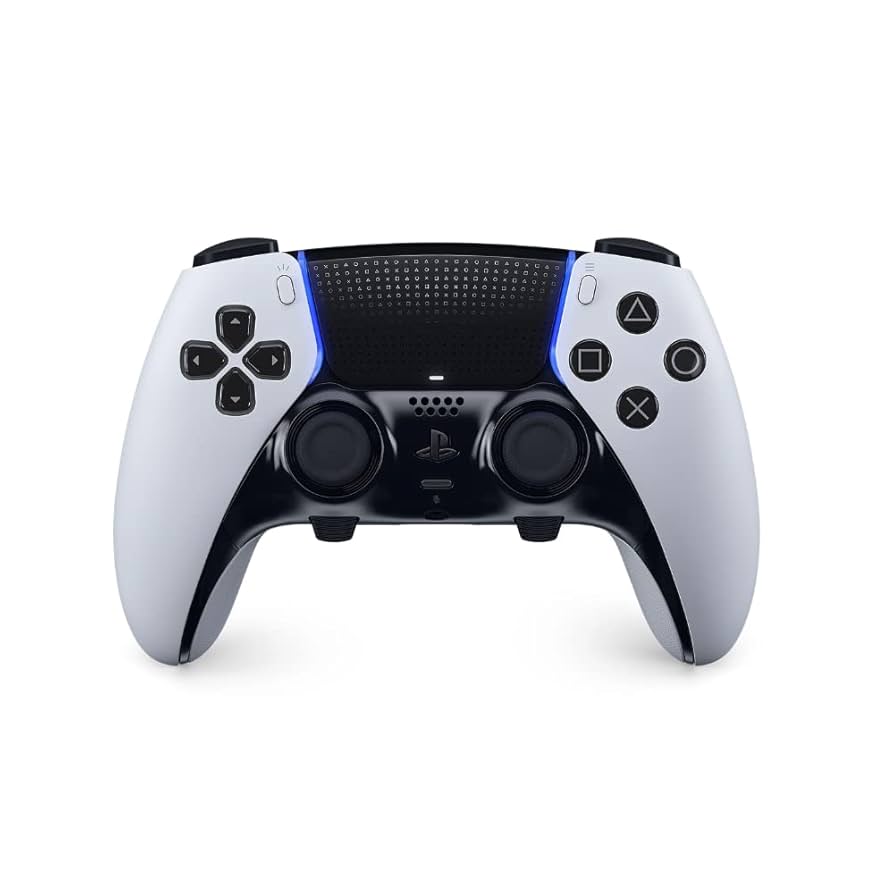
- Sony DualSense / DualSense Edge
The DualSense remains the benchmark. It has adaptive triggers that can simulate tension (think drawing a bow or pressing a brake), excellent haptic motors that can differentiate subtle textures, and capacitive touch for finger detection. In games like Returnal or Ratchet & Clank, the DualSense makes you feel environmental details—rain, wind, or the click of metal—making each action more immersive
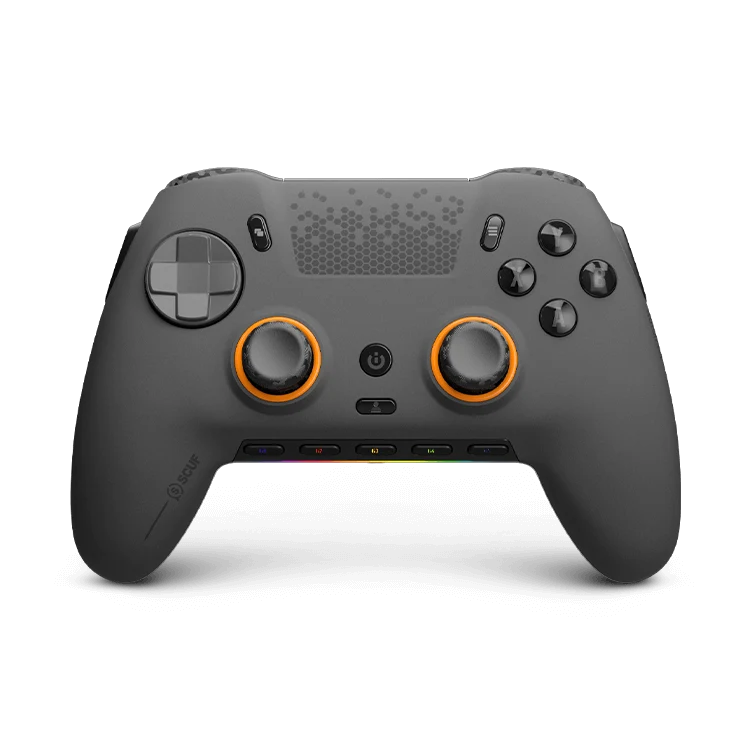
- SCUF Envision Pro CDL
Built with esports in mind. The feedback isn’t just vibration—it’s mapped feedback (audio-sync, impact sync). The wireless version maintains low latency, and SCUF is known for custom controls (back paddles, etc.). If you want competitive edge + haptic richness, this is solid.
- Cubonic High-Sensitivity Gamepad
For those on a budget or mobile gamers who want more feel. It may not have the fidelity of the DualSense or SCUF, but its capacitive triggers and strong vibration motors punch above its price. Perfect for portable or secondary setups.
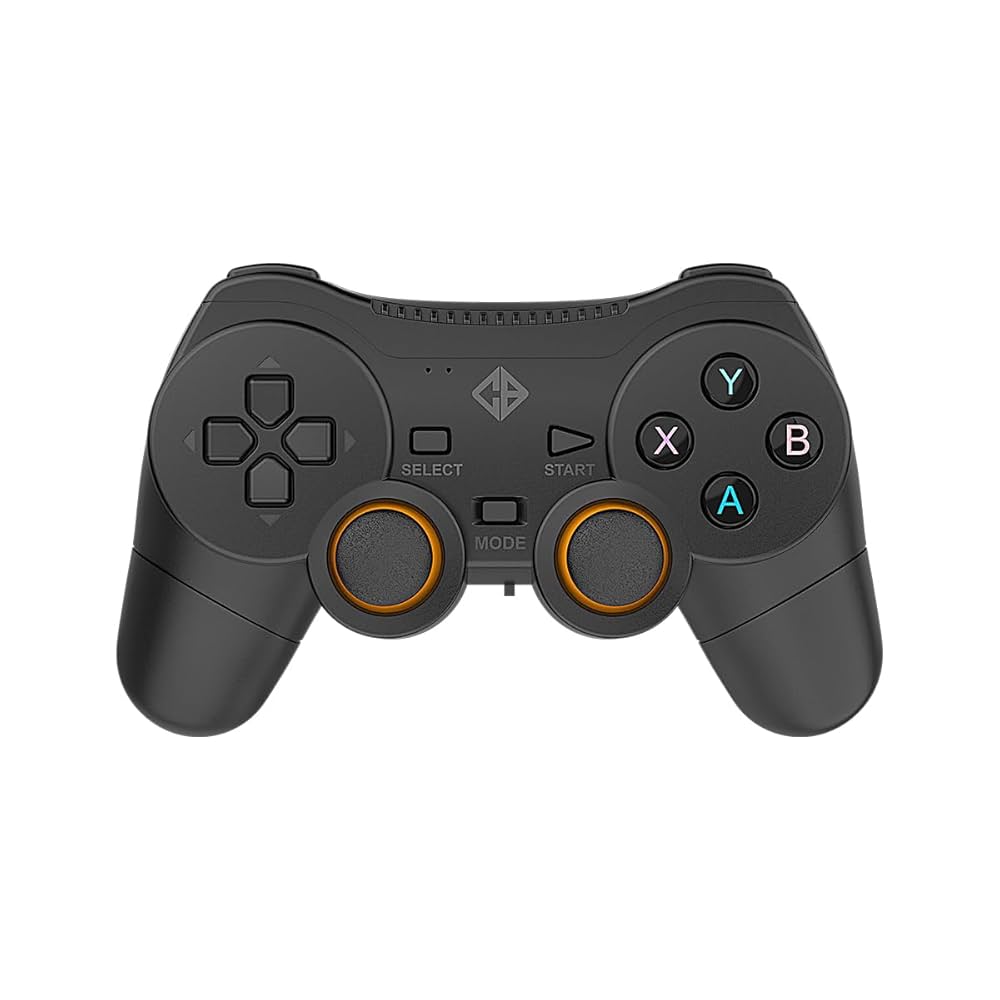
- Cosmic Byte Nexus Wireless
A good entry point. The haptic feedback isn’t super advanced (won’t match adaptive triggers in tension) but for its wireless capability + affordability, it offers a nice feel. Good for casual gaming or for trying out haptic features without breaking the bank.
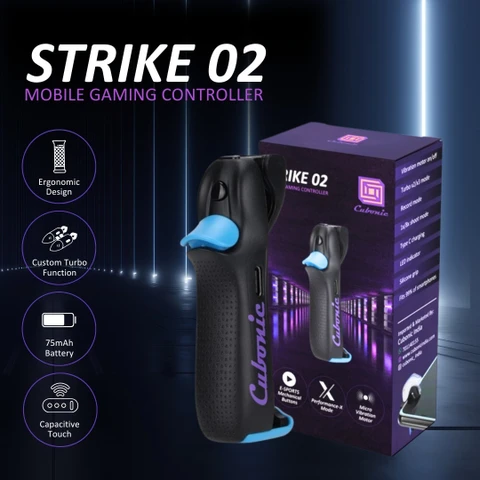
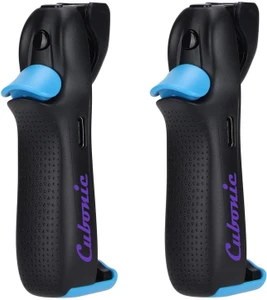
- Cubonic Strike-02
Focuses on trigger feedback and mapping. If your gameplay depends on trigger acts (shooters, racing), the feel of pull resistance or vibration when you pull triggers can add not just realism but also improve your reaction by letting you ‘feel’ the action more.
Why These Controllers are Changing How We Play
- Haptic feedback adds a sense of presence: you feel more connected to your game world. Small details like footsteps, recoil, environmental effects become more than just sounds or visuals.
- Adaptive triggers & resistance give a skill-ceiling boost: players can use tension or pressure cues for timing, precision, or strategy.
- Lower latency and responsive vibration mapping reduce lag/guesswork: you react not just with eyes or ears, but by touch feedback.
- Custom profiles let players tailor feedback: some like strong rumble, others want subtle cues. These next-gen controllers allow adjustments.
- Cross-platform compatibility and better hardware raise expectations: once you feel quality haptics, standard rumble feels bland. This pushes the whole industry forward.
Things to Watch / What to Consider Before Buying
- Battery life tends to drop when using more haptic features or adaptive triggers. If you play long sessions, check for battery specs.
- Wireless latency matters: make sure the controller you pick has good wireless performance (low lag) or works well wired.
- Software support: firmware updates, mapping tools, haptic customization – these matter. A great controller out of box can be mediocre if the software layer is weak.
- Build durability: triggers, sticks, buttons can wear out quickly with aggressive haptic feedback. Controllers with Hall effect sensors or drift-resistant sticks are better.
- Game support: even the best hardware won’t help if games don’t implement the haptic features (adaptive triggers, etc.). Make sure your favorite games use the advanced features.
Where to See More / Images & References
Sony DualSense images / specs are widely available on PlayStation’s official site.
For SCUF Envision Pro CDL, check SCUF Gaming’s official product page.
GuliKit TT MAX / TT PRO controllers (seen at Gamescom 2025) were showcased with strong haptic tech + “Gen-2 patented magnetic vibration motors” etc. Zen Pro Gaming
The game “Best PC controllers 2025” guides mention DualSense, Razer Wolverine V3 Pro, etc. PC Gamer
Local retailers often list the Cubonic / Cosmic Byte models with images.
How Haptic Controllers Became the Future of Gaming
The rise of haptic controllers didn’t happen overnight. Early consoles experimented with rumble packs, but those were limited to simple vibrations. What we see in 2025 is the result of years of innovation. Engineers wanted players not only to see and hear the game world but also to feel it. Every click, every recoil, every shift in terrain became something tactile.
The PlayStation 5 DualSense played a major role in making haptic controllers mainstream. Its adaptive triggers and multi-channel vibration set the benchmark. Gamers suddenly realized they were no longer just pressing buttons—they were pulling bowstrings, squeezing throttles, and pushing against resistance. Other companies saw the demand and began pushing their own boundaries, which is why the market today is packed with exciting innovations.
Why Haptic Controllers Matter in 2025
Some gamers wonder if all these features are really necessary. The truth is, haptic controllers go beyond novelty—they directly impact performance and immersion. Here’s why they matter:
Immersion Upgrade: Instead of just watching explosions, you feel the shockwave through your hands. Walking on metal versus mud feels different because of nuanced vibration patterns.
Skill Reinforcement: Adaptive triggers teach your muscles how to respond faster. For example, racing games simulate braking pressure, helping you time better.
Accessibility: For differently-abled gamers, haptic cues become an additional sensory guide. It can even replace some on-screen indicators.
Emotional Impact: Story-driven games use haptics to enhance drama—heartbeat vibrations during tense scenes make moments unforgettable.
Breaking Down the Technology
Haptic controllers aren’t just about putting a stronger motor inside. The 2025 generation relies on multiple engineering innovations:
Voice Coil Actuators (VCA): These create nuanced vibrations, from subtle raindrops to heavy recoil.
Linear Resonant Actuators (LRA): Common in high-end devices, they deliver faster, more precise tactile responses.
Adaptive Trigger Mechanisms: Small motors control tension in triggers, simulating real-world mechanics.
Capacitive Sensors: Detect finger placement even without pressing, allowing gesture recognition.
AI-Driven Feedback Mapping: Software now uses AI to interpret game events and translate them into optimized haptic responses.
.
The Future of Haptic Controllers
Looking ahead, haptic controllers are expected to integrate even more advanced features:
Full-Body Haptic Suits Integration: Controllers syncing with vests or gloves to create 360-degree immersion.
Smarter AI Feedback: Controllers adapting to your personal playstyle in real-time.
Eco-Friendly Builds: Recyclable materials and longer battery lifespans to reduce waste.
Medical Applications: Using haptic controllers in rehab therapy, helping patients regain motor functions with gamified exercises.
By 2030, controllers may blur the line between real and digital touch completely.
Haptic Controllers in Esports
Esports is one of the fastest-growing industries in the world, and haptic controllers are beginning to play a key role. Competitive players are realizing that subtle vibrations and adaptive triggers can offer sensory cues that improve reaction times. For example:
In shooters, a player may feel a gun jam or recoil shift before visually noticing it.
In racing, tire skids or grip loss are felt in the triggers, allowing faster corrective responses.
In MOBAs or action games, haptics can signal cooldowns or incoming danger through tactile feedback.
Tournaments are even discussing the standardization of haptic settings. Just as esports leagues regulate frame rates and hardware specifications, they are now considering guidelines to ensure fairness in haptic controllers. By 2026, we may see official rules about vibration intensities, adaptive trigger resistance, and allowed customizations.
The Psychology of Touch in Gaming
Why are haptic controllers so impactful? The answer lies in psychology. Humans naturally process multiple sensory inputs—sight, sound, and touch. Adding tactile cues enhances memory, reflexes, and emotional response. Studies show that players who use controllers with strong haptic feedback feel more immersed and are more likely to report higher satisfaction.
The brain connects these sensations with emotions. Imagine playing a horror game where the controller gently vibrates to mimic a heartbeat—your mind links the sensation with fear, making the experience more intense. Similarly, feeling the resistance of a sword strike creates a deeper connection to action.
This is why developers are investing so heavily in haptic integration. They’re not just making games more fun; they’re making them more memorable.
Developers Embracing Haptic Controllers
Game studios around the world are optimizing titles for haptic controllers. Some examples include:
Racing Games: Gran Turismo 7 pioneered adaptive triggers for throttle and brake simulation, and by 2025, almost every racing title supports this.
Shooter Games: Titles like Call of Duty integrate weapon-specific recoil patterns into triggers and vibration systems.
Adventure Games: Story-driven titles like Horizon and Elden Ring 2 use haptics to simulate environmental elements like wind, footsteps, and tension in combat.
VR Experiences: Many VR games now sync haptic controllers with headsets and gloves, ensuring consistent immersion across devices.
By 2025, it’s becoming an expectation—if a game doesn’t fully utilize haptics, players often criticize it for feeling incomplete.
Haptic Controllers for Accessibility
One of the most inspiring impacts of haptic controllers is their role in accessibility. Gamers with hearing impairments can rely on vibrations as alerts, while visually impaired players use adaptive triggers and tactile cues to navigate environments. Developers are creating accessibility modes where controller feedback communicates critical information, bridging gaps that visuals or sound alone cannot.
This inclusivity is helping gaming reach more audiences than ever before. Accessibility advocates often praise companies like Sony and Microsoft for making haptics central to next-gen controllers, ensuring that immersion isn’t just for the privileged few but for everyone.
Expanding the World of Haptic Controllers in 2025
The year 2025 marks a new era where haptic controllers are no longer optional accessories but the very foundation of immersive gaming. As developers push boundaries with photorealistic graphics and complex mechanics, the need for tactile realism has skyrocketed. Haptic controllers deliver on this promise, giving players the ability to feel every swing of a sword, the rumble of an engine, or the tension of a bowstring.
Gamers have long demanded a more visceral connection with their digital experiences, and 2025 haptic technology rises to that challenge. Unlike the vibration motors of older controllers, today’s devices use advanced actuators, adaptive triggers, and pressure sensors that can simulate hundreds of distinct textures and forces. It’s no exaggeration to say that haptic controllers are redefining the way humans interact with virtual worlds.
The Rising Importance of Tactile Immersion
Visuals and audio have traditionally been the pillars of immersion, but something was always missing — the sense of touch. Haptic controllers in 2025 are finally bridging that gap. Imagine walking through a storm in a survival game: your controller pulses with raindrops, while a sudden clap of thunder creates a jolt you can feel. Or think of competitive shooters, where adaptive resistance on triggers mirrors the recoil of specific weapons, teaching players to adjust their aim instinctively.
This sensory feedback doesn’t just add excitement — it enhances player performance. Studies have shown that tactile reinforcement improves reaction speed and decision-making in fast-paced environments. For esports players, shaving milliseconds off a response can be the difference between victory and defeat. As such, haptic controllers aren’t just fun gadgets; they’re performance tools.
Beyond Gaming: Wider Applications of Haptic Controllers
The innovation in haptic controllers doesn’t stop with games. These devices are now entering broader industries in 2025. VR training simulations for surgeons, pilots, and engineers increasingly use haptic feedback to replicate real-world pressure and resistance. A medical student can practice delicate incisions with the feel of cutting through tissue, while an automotive engineer can “tighten” a digital bolt with realistic torque.
These real-world applications give haptic controllers staying power. They’re not passing fads like motion controllers of the 2010s; they’re tools shaping entire professions. As this crossover grows, gaming benefits too, because technologies perfected in industrial fields trickle back into consumer devices.