
Competitive gaming is no longer limited to professional gamers with expensive setups and sponsored equipment. Today, entry-level gaming devices have made esports accessible to amateur teams who want to compete seriously in online competitions without spending huge money.
Many beginners believe that only high-end gear can win tournaments, but that’s not fully true. Skill, teamwork, and consistency matter more—especially in the early stages. The right entry-level gaming devices simply help remove technical limitations so players can focus on performance.
In this detailed guide, we’ll explore the best entry-level gaming devices for amateur teams, how to choose them, common mistakes beginners make, and how these devices support growth in online esports competitions.
Why Entry-Level Gaming Devices Matter in Esports
Before diving into specific devices, it’s important to understand why choosing the right gaming devices matters in competitive play.
Performance Consistency
Low-quality hardware can cause lag, input delay, overheating, and sudden crashes. In online competitions, even a one-second delay can cost a match.
Fair Competitive Experience
Most amateur gaming tournaments are designed assuming players are using entry-level esports gear, not professional setups. So you’re not at a disadvantage if your devices meet basic competitive standards.
Budget-Friendly Growth
Entry-level gaming devices allow amateur teams to grow step by step instead of investing everything at once.
Understanding Entry-Level Gaming Devices
Entry-level gaming devices are budget-friendly yet performance-capable tools designed for competitive gaming beginners.
They usually include:
- Gaming mouse
- Gaming keyboard
- Gaming headset
- Controller (for console/mobile esports)
- Entry-level gaming monitor
These devices focus on functionality over luxury, which is exactly what amateur teams need.
Gaming Mouse: The Most Important Entry-Level Device
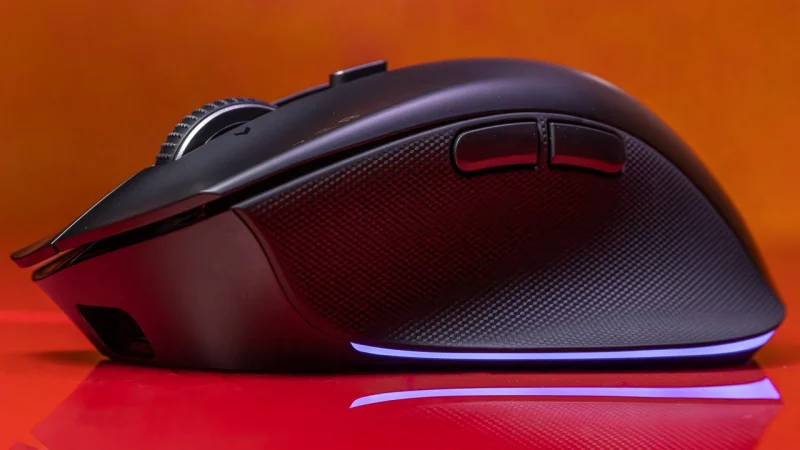
A gaming mouse is one of the most critical devices in competitive esports.
What Amateur Teams Should Look For
- Adjustable DPI (minimum 800–3200 DPI)
- Reliable sensor (optical preferred)
- Comfortable grip style
- Wired connection for low latency
Why It Matters in Online Competitions
In games like Valorant, CS2, Fortnite, or Apex Legends, precise aim decides outcomes. Entry-level gaming mice provide accurate tracking without unnecessary features.
Common Beginner Mistake
Many amateurs buy ultra-cheap mice that look “gaming” but lack sensor accuracy. That creates inconsistency in tournaments.
Gaming Keyboard for Amateur Esports Players
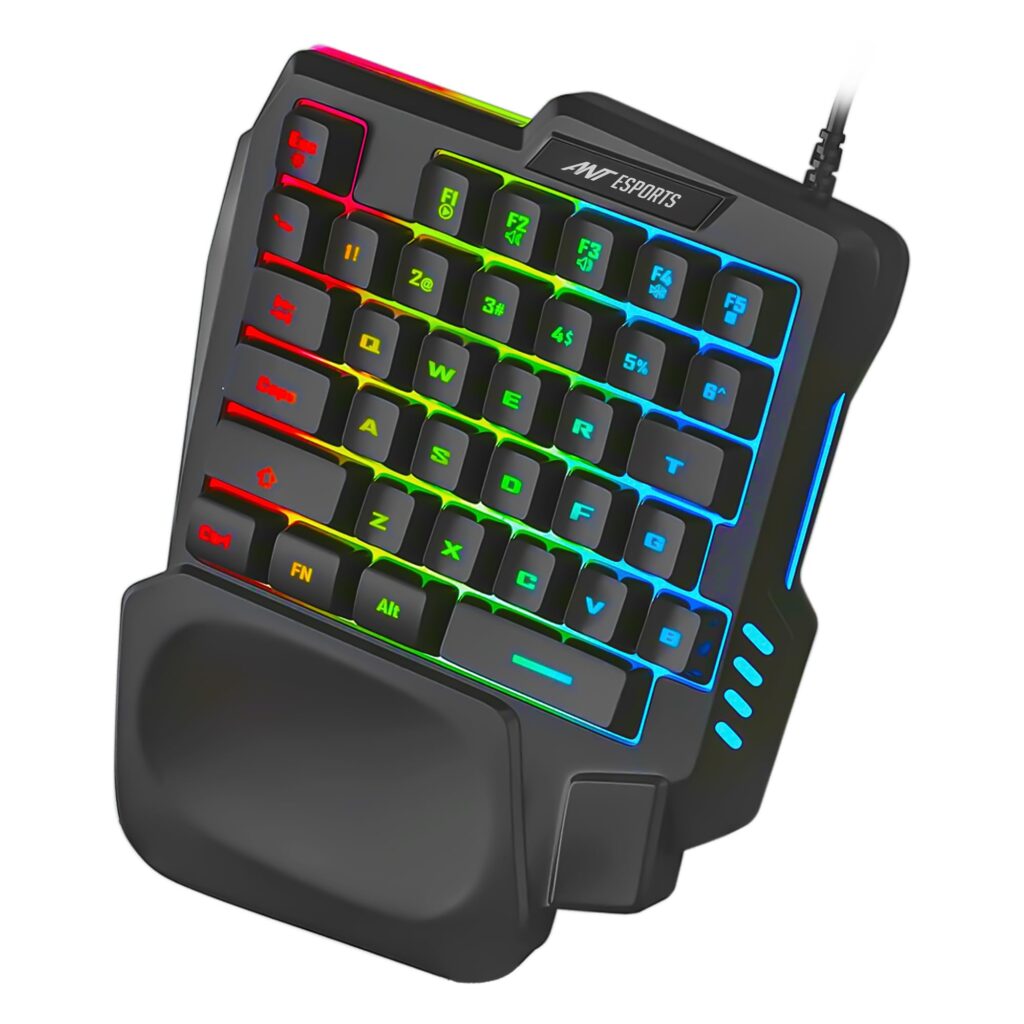
A keyboard may seem simple, but it plays a big role in movement, abilities, and reaction timing.
Recommended Features
- Mechanical or semi-mechanical keys
- Anti-ghosting support
- Wired connection
Mechanical keyboards are ideal, but good membrane keyboards can also work in entry-level esports setups.
Competitive Advantage
Clear keystrokes reduce misclicks during intense online competitions. This improves reaction reliability under pressure.
Gaming Headset: Communication Is Everythin
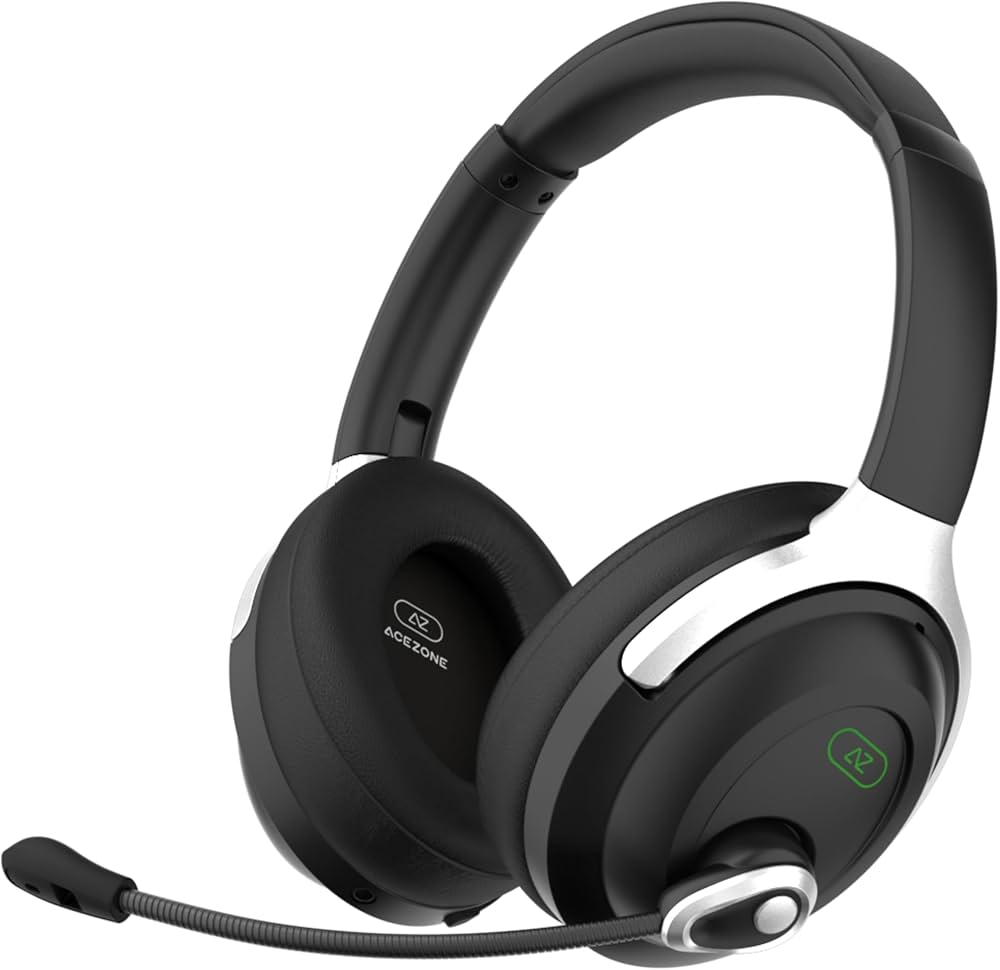
In team-based esports, communication can win matches even if aim is average.
Why Headsets Are Crucial
- Clear voice chat
- Accurate sound positioning
- Reduced background noise
Entry-level gaming headsets with decent microphones are more than enough for amateur teams.
Mistake to Avoid
Using normal earphones or mobile headsets often leads to echo, mic distortion, and missed audio cues in tournaments.
Entry-Level Gaming Monitors for Competitive Play
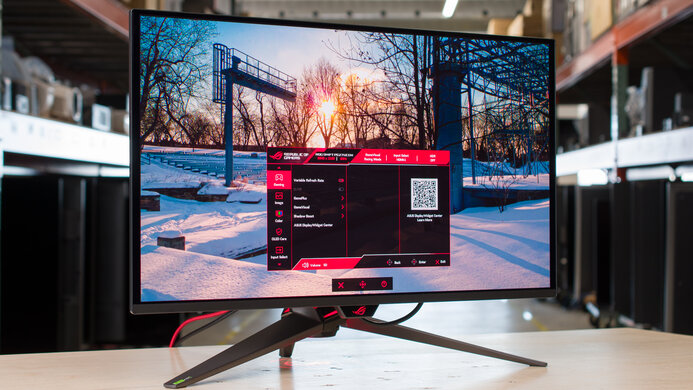
While not mandatory, a gaming monitor improves gameplay quality significantly.
Key Features to Look For
- 60Hz minimum (75Hz or 144Hz is better)
- Low response time (5ms or lower)
- Stable resolution (1080p preferred)
Do You Really Need One?
For amateur online competitions, a 60Hz monitor is acceptable. Higher refresh rates are helpful but not compulsory at entry level.
Controllers for Console and Mobile Esports
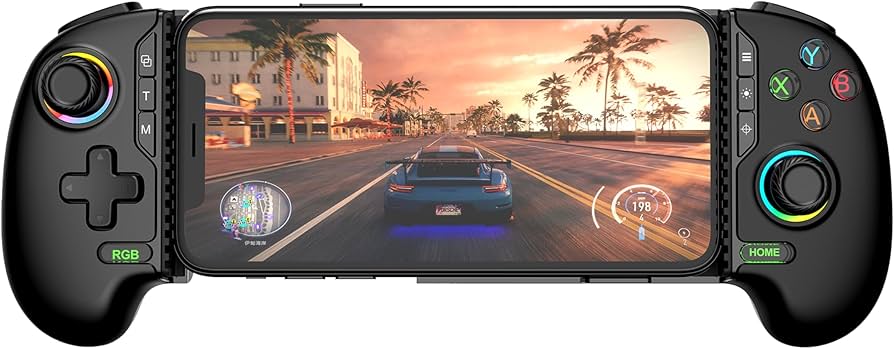
Not all esports are PC-based. Many amateur teams compete in console or mobile online competitions.
Entry-Level Controller Requirements
- Comfortable grip
- Good button response
- Stable connectivity
For mobile esports like BGMI or COD Mobile, triggers and basic gaming accessories can help improve control.
Internet and Accessories: The Hidden Gaming Devices
Often ignored, but extremely important.
Internet Setup
- Stable broadband or fiber connection
- Wired Ethernet preferred over Wi-Fi
- Backup mobile hotspot if possible
Accessories
- Mouse pad (large surface)
- Cooling pad for laptops
- Cable management
These small things improve consistency during gaming tournaments.
Entry-Level Gaming Devices vs Professional Gaming Gear
Many beginners compare themselves to pro gamers and feel under-equipped.
Reality Check
Professional gamers use high-end gear for marginal gains. Amateur teams gain far more improvement from:
- Practice
- Strategy
- Communication
Entry-level gaming devices are more than enough until you reach higher competitive tiers.
How Entry-Level Gaming Devices Help Amateur Teams Improve
Reduced Technical Errors
Good devices minimize lag, misclicks, and audio issues.
Increased Confidence
When devices respond reliably, players focus better and panic less.
Team Coordination
Clear comms and smooth gameplay improve team synergy in online competitions.
Common Mistakes Amateur Teams Make With Gaming Device
- Overspending too early
- Buying flashy but unreliable gear
- Ignoring comfort and ergonomics
- Mixing different device standards within the team
Consistency across devices helps teams perform better together.
How to Upgrade Gaming Devices Over Time
You don’t need to upgrade everything at once.
Smart Upgrade Order
- Headset
- Mouse
- Keyboard
- Monitor
Upgrade only when your current device becomes a limitation.
Gaming Devices and Tournament Rules
Some gaming tournaments restrict:
- Macros
- Custom firmware
- Wireless devices
Always check tournament rules before participating in online competitions.
Entry-Level Gaming Devices for Different Esports Genres
FPS Games
Prioritize mouse accuracy and headset quality.
MOBA Games
Keyboard responsiveness and screen clarity matter more.
Battle Royale
Balanced setup with good audio awareness is key.
Role of Gaming Devices in Team Scrims
Scrims simulate tournament conditions. Entry-level gaming devices ensure practice conditions match actual competitions.
Mismatch between practice and tournament setups can cause performance drops.
Budget Planning for Amateur Teams
A realistic entry-level esports setup can be built without extreme spending.
Focus on:
- Reliability
- Comfort
- Competitive standards
Avoid marketing hype.
Sponsorship and Gaming Devices
Some beginner sponsors offer:
- Discounted gaming devices
- Trial gear for tournaments
Participating in online competitions increases chances of such support.
Long-Term Impact of Using the Right Gaming Devices
Good entry-level gaming devices:
- Reduce frustration
- Improve learning speed
- Encourage long-term commitment
Many amateur teams quit due to poor experiences caused by bad hardware, not lack of skill.
Future of Entry-Level Gaming Devices in Esports
The esports industry is pushing affordable competitive hardware.
We’ll see:
- Better budget sensors
- Improved wireless tech
- More accessibility for beginners
This is good news for amateur teams.
Frequently Asked Questions (FAQ)
Are entry-level gaming devices enough for esports?
Yes, they are sufficient for amateur teams and online competitions.
Do gaming devices improve skills?
They don’t create skill, but they remove technical barriers.
Should beginners copy pro gamer setups?
No, pro setups are optimized for marginal gains, not beginners.
Final Thoughts
Entry-level gaming devices for amateur teams in online competitions are not about luxury—they’re about reliability. With the right basic setup, amateur players can compete confidently, learn faster, and enjoy esports without unnecessary stress.
Skill grows with time, but only if your gaming devices support your journey instead of holding you back. Progress may feel slow initially, but that’s part of competitive gaming… nobody becomes a pro overnight anyway 😅
Ergonomics and Comfort in Entry-Level Gaming Devices
Comfort is one of the most ignored aspects by amateur teams when choosing gaming devices. Many players focus only on specs like DPI, switches, or refresh rate, but forget that esports sessions can last for hours.
Why Ergonomics Matter in Online Competitions
Poor ergonomics can lead to:
- Wrist pain
- Shoulder stiffness
- Finger fatigue
- Reduced reaction speed
In online competitions, fatigue directly affects performance. Entry-level gaming devices designed with ergonomic shapes help amateur players maintain consistency throughout long matches.
Choosing the Right Shape and Size
- Mouse should match hand size and grip style
- Keyboard angle should feel natural, not forced
- Headset should not clamp too tightly
Even budget gaming devices today offer decent ergonomic designs, so ignoring comfort is honestly a mistake.
Laptop vs Desktop for Amateur Online Competitions
Many amateur teams play on gaming laptops instead of desktops. Both have pros and cons.
Gaming Laptops for Entry-Level Esports
Advantages
- Portability
- Lower initial setup complexity
- Easy participation in LAN or college events
Limitations
- Thermal throttling
- Limited upgrade options
- Smaller screens
Gaming laptops are perfectly fine for entry-level online competitions, as long as temperatures are managed properly.
Desktop PCs for Amateur Teams
Desktops offer:
- Better cooling
- Easier upgrades
- More stable performance
However, desktops are not mandatory at the beginning. Many amateur gamers perform extremely well on mid-range laptops using proper gaming devices.
Importance of Consistent Device Settings Across the Team
One underrated factor in team performance is consistency in device settings.
Why This Matters
If each team member uses drastically different sensitivity, audio levels, or screen settings, coordination suffers.
What Teams Should Standardize
- Audio communication levels
- Push-to-talk settings
- Resolution and aspect ratio (if possible)
Entry-level gaming devices make it easier to maintain stable, repeatable settings across all players.
Device Maintenance for Long-Term Performance
Gaming devices degrade over time if not maintained properly.
Basic Maintenance Tips
- Clean mouse sensor weekly
- Wipe keyboard keys regularly
- Avoid eating near devices
- Store headsets properly
Amateur teams often ignore maintenance, which leads to sudden device failure during important online competitions. It sounds small, but this happens a lot.
Input Lag and Latency: What Amateur Teams Should Know
Input lag is the delay between an action and its response on screen.
How Entry-Level Gaming Devices Reduce Lag
- Wired connections
- Optimized polling rates
- Stable drivers
Even small reductions in latency can make gameplay feel smoother, especially in FPS gaming tournaments.
Common Myth
Many believe only expensive devices reduce input lag. In reality, most modern entry-level gaming devices already meet competitive standards.
Audio Devices and Sound Awareness in Esports
Sound awareness is a competitive advantage, especially in tactical shooters and battle royale games.
What Matters More Than Bass
- Clear mids and highs
- Accurate directional audio
- Low distortion
Entry-level gaming headsets are designed for clarity rather than heavy bass, which is actually better for competitive play.
Wireless vs Wired Gaming Devices at Entry Level
This topic confuses many beginners.
Wired Gaming Devices
Pros
- Lower latency
- No battery issues
- Tournament-friendly
Cons
- Cable management
Wireless Gaming Devices
Wireless tech has improved, but at entry level, wired devices are still safer for online competitions.
Most amateur teams should stick with wired gaming devices until they reach advanced levels.
Customization and Software in Entry-Level Gaming Devices
Some entry-level gaming devices come with basic software support.
Useful Customizations
- DPI adjustment
- Button remapping
- Lighting control (optional)
Avoid over-customization. Too many macros or changes can cause confusion and even rule violations in gaming tournaments.
Tournament Rules and Device Compliance
Every online competition has rules regarding gaming devices.
Common Restrictions
- No macro abuse
- No modified firmware
- No third-party automation tools
Always read the rulebook before tournaments. A disqualification due to device issues is painful and unnecessary.
Psychological Confidence Linked to Gaming Devices
This may sound strange, but devices affect mindset.
Confidence Boost
When players trust their gaming devices, they:
- Play more aggressively
- Make quicker decisions
- Hesitate less
Unreliable devices create doubt, and doubt kills performance in esports.
Team Communication Devices and Call Clarity
Clear communication is critical for amateur teams.
Entry-Level Communication Setup
- Decent mic quality
- Noise suppression enabled
- Proper mic positioning
Shouting into a bad mic causes distortion and miscommunication. Simple fixes improve teamwork instantly.
Cross-Platform Gaming Devices and Compatibility
Some amateur teams compete across platforms.
Things to Check
- Controller compatibility
- Input method restrictions
- Platform-specific rules
Using compatible entry-level gaming devices avoids last-minute issues during online competitions.
Time Management and Device Scheduling in Teams
Shared devices are common in amateur teams.
How to Manage Shared Gaming Devices
- Fixed practice schedules
- Proper device handover
- Regular condition checks
Poor scheduling often leads to worn-out devices and rushed practice sessions.
Impact of Gaming Devices on Learning Curve
Good devices shorten the learning curve.
Why?
- Fewer technical distractions
- Faster muscle memory development
- More consistent feedback
Entry-level gaming devices help amateur teams focus on improving skills instead of fighting hardware issues.
Mobile Esports and Entry-Level Gaming Devices
Mobile esports is huge, especially in regions like India.
Essential Entry-Level Mobile Devices
- Gaming triggers
- Cooling fans
- Stable stands
- Wired earphones
Mobile gaming tournaments are highly competitive, and these basic devices make a noticeable difference.
Building a Practice Environment Similar to Tournaments
One common mistake is practicing in conditions very different from tournaments.
Match Your Setup
- Same gaming devices
- Same audio settings
- Same resolution
Consistency between practice and online competitions improves match-day performance.
Device Sharing and Hygiene in Amateur Teams
Sharing headsets or controllers without hygiene can cause:
- Discomfort
- Health issues
- Reduced focus
Simple hygiene habits keep players comfortable and focused.
Budget Allocation Strategy for Teams
Instead of one player buying everything expensive, teams should:
- Balance device quality across players
- Avoid extreme differences
- Support weaker setups first
Team-wide consistency is more important than one star player having premium gear.
Entry-Level Gaming Devices and Streaming
If your team streams matches:
- Ensure mic clarity
- Avoid audio echo
- Test device compatibility with streaming software
Streaming doesn’t require premium devices, but stable entry-level gear is necessary.
How Gaming Devices Affect Reaction Time
Reaction time depends on:
- Display response
- Input latency
- Comfort
Entry-level gaming devices are designed to meet minimum competitive reaction standards.
Environmental Factors Affecting Gaming Devices
Room temperature, lighting, and seating affect performance.
Tips
- Keep room ventilated
- Avoid glare on screens
- Use comfortable chairs
Even the best gaming devices perform poorly in bad environments.
When Entry-Level Devices Become a Limitation
You’ll know it’s time to upgrade when:
- You outgrow refresh rate limits
- You feel device inconsistency
- You reach higher competitive tiers
Upgrade only when skill demands it, not because of hype.
Final Extended Conclusion
Entry-level gaming devices for amateur teams in online competitions are the foundation of competitive esports growth. They don’t make players magically better, but they remove barriers that slow progress.
For amateur teams, success comes from:
- Consistent practice
- Smart device choices
- Team coordination
- Mental discipline
With the right entry-level gaming devices, amateur teams can compete confidently, learn efficiently, and enjoy esports without unnecessary frustration. Growth may feel slow sometimes, but with reliable gear and patience, improvement is inevitable… even if progress feels thoda late at times 😅
Team Discipline and Gaming Device Usage in Online Competitions
One factor that separates improving amateur teams from stagnant ones is discipline in how gaming devices are used. Many teams invest in decent entry-level gaming devices but fail to use them correctly or consistently during practice and online competitions.
Maintaining Consistent Device Settings
Changing sensitivity, audio levels, or key bindings every few days slows down muscle memory. Amateur teams should lock in their device settings and avoid frequent changes unless there’s a clear issue. Consistency helps players react instinctively during high-pressure moments in gaming tournaments.
Warm-Up Routines Using Gaming Devices
Before entering online competitions, players should warm up using the same gaming devices they will compete with. Simple aim drills, movement practice, or communication checks help the brain and hands sync better. Skipping warm-ups often leads to slow starts and avoidable mistakes.
Role of Gaming Devices in Reducing Team Conflicts
Believe it or not, gaming devices can also cause internal team issues.
Device-Based Frustration
When one player suffers from laggy equipment or poor audio, the entire team feels the impact. This often leads to blame, arguments, and loss of morale. Entry-level gaming devices help reduce these friction points by ensuring everyone has reliable tools.
Supporting Teammates With Weaker Setups
Stronger teams help members with weaker devices by:
- Sharing optimization tips
- Adjusting in-game strategies
- Scheduling device upgrades
This creates trust and improves overall team chemistry.
Long-Term Career Value of Learning on Entry-Level Devices
Starting esports on entry-level gaming devices has long-term benefits.
Adaptability as a Skill
Players who learn on basic devices adapt faster when switching setups. This adaptability is valuable when joining new teams, playing LAN events, or upgrading hardware later.
Professional Mindset Development
Using limited resources teaches discipline, patience, and focus—qualities every professional gamer needs. Many pro gamers actually began with extremely basic gaming devices before upgrading.
Community Perception and Credibility
Participating consistently in online competitions with stable performance builds credibility. Organizers and other teams notice players who:
- Show up on time
- Avoid technical delays
- Respect tournament rules
Reliable gaming devices indirectly support this professional image.
Final Closing Note
In the end, entry-level gaming devices for amateur teams in online competitions are about creating a stable foundation. They won’t replace skill, teamwork, or strategy, but they allow all those elements to develop without unnecessary obstacles.
If amateur teams focus on consistency, discipline, and smart device choices, growth becomes inevitable—slow sometimes, yes, but steady. And in esports, steady progress always beats flashy shortcuts 😅