
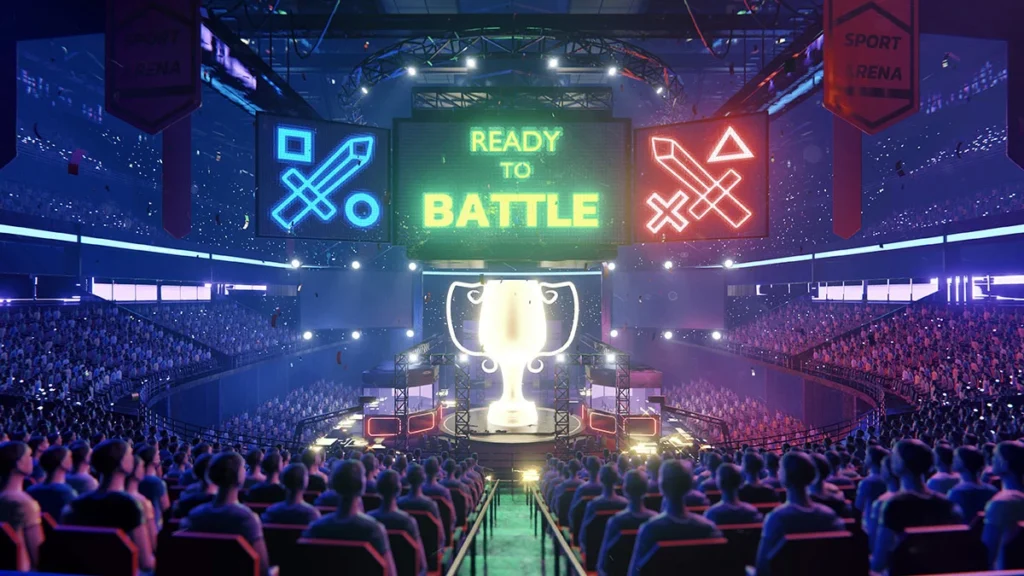
Why Local Esports Tournaments Matter
Local esports tournaments are where communities form, grassroots talent is discovered, and long-term event brands are born. Whether you’re running a BYOC LAN in a community center, a school esports night, or a small ticketed multi-game tournament, a well-run local event creates fans, social media moments, and a repeatable revenue model.
If you’re reading this because you want to know how to organize a local esports tournament, you’re in the right place. This guide breaks the process down into stages, gives you practical checklists, sample budgets, sponsor outreach copy, and a day-of runbook so you can execute without chaos.
Who this guide is for:
- Student clubs and campus organizers
- Local event companies exploring esports
- Community centers, LAN cafés, and gaming communities
- Marketers & venue managers who want to host a gaming event
What you’ll get:
A full, actionable plan that answers not only what to do but how to do it — from idea validation through post-event reporting — so you can confidently run your first (or next) local esports tournament.
Quick Overview: 7 Stages of Organizing a Local Esports Tournament
Stage 0 — Validate Idea & Community Demand
- Poll Discord, Facebook groups, or school clubs.
- Run a two-week sign-up form with refundable deposits.
- Check competitors: if events are rare, that’s an opportunity.
Stage 1 — Format, Rules, and Game Selection
- Pick titles with strong local player bases.
- Choose format (single/double elimination, Swiss, round robin).
- Publish clear rulebook & code of conduct.
Stage 2 — Budget & Revenue Model
- Venue, internet, prize pool, equipment, staff, marketing.
- Revenue: tickets, sponsorships, registration, merch.
- Always add a 10% contingency.
Stage 3 — Venue & Technical Requirements
- Power, seating, internet bandwidth, accessibility.
- Network redundancy (backup ISP, managed switches).
- Stage, caster desk, and warmup zones.
Stage 4 — Staffing, Volunteers & Operations
- Roles: Event Director, Tournament Admins, Broadcast Producer, Tech Lead, Stage Manager.
- Train volunteers; give clear schedules and perks.
Stage 5 — Registration, Brackets & Software
- Use Eventbrite or tournament tools (Challonge, Battlefy, start.gg).
- Automate brackets, test dummy registrations before event day.
Stage 6 — Marketing, Ticketing & Sponsorships
- Promote via Discord, Reddit, TikTok, Instagram.
- Offer tiered sponsor packages (Title, Gold, Silver).
- Deliver measurable ROI (stream mentions, impressions).
Stage 7 — Day-of Execution & Post-Event Follow-Up
- Staff arrivals, player check-ins, tech rehearsals.
- Run brackets smoothly, update in real time.
- Post-event: recap blog, highlight reels, sponsor reports.
Deep Dive Checklists
Pre-Event Checklist
- Validate demand, finalize date, confirm venue & permits.
- Get insurance if needed.
- Confirm internet & technical requirements.
- Secure prize pool & sponsors.
- Publish rules & player packets.
- Rent gear (PCs, monitors, chairs).
- Launch social marketing campaigns.
Day-of Checklist
- Staff check-in & tech rehearsals.
- Player arrivals & announcements.
- Bracket updates, sponsor activations, intermission entertainment.
- Awards ceremony & teardown.
Post-Event Checklist
- Send surveys to attendees & sponsors.
- Upload match VODs and highlight reels.
- Deliver sponsor reports.
- Pay vendors, archive event assets.
Sample Budget & Timeline

Sample Budget (mid-tier):
- Venue: ₹25,000
- Internet: ₹5,000
- Equipment: ₹30,000
- Prize Pool: ₹15,000
- Streaming: ₹20,000
- Marketing: ₹8,000
- Staff Meals: ₹4,000
- Misc/Contingency: ₹10,000
Total: ~₹117,000
6-Week Timeline:
- Week 6: Validate, book venue, start sponsors.
- Week 5: Finalize rules & registration.
- Week 4: Secure vendors & marketing push #1.
- Week 3: Confirm casters, staff, social countdown.
- Week 2: Final rehearsal & catering confirmed.
- Week 1: Dress rehearsal & player packets.
- Event Day: Execute runbook.
- Week +1: Publish recap, send sponsor reports.
Sponsorship Packages & Outreach Template
1. Build a Strong Online Presence Early
One of the most effective ways to attract both participants and spectators is through digital marketing. Create dedicated social media pages, an event website, and an easy registration system. Share teasers about the games featured in your Esports Tournament, behind-the-scenes updates, and highlight reels from previous events if available. In 2025, short-form video content on platforms like Instagram Reels, TikTok, and YouTube Shorts is a powerful tool to generate hype and reach new audiences.
2. Collaborate with Local Gaming Communities
Grassroots gaming communities are the backbone of any Esports Tournament. Reach out to local gaming cafés, streamers, and clubs who can help promote the event. Offering discounted team entries or early bird tickets can encourage sign-ups. By involving the community, you not only increase participation but also create a loyal fan base for future tournaments.
3. Secure Sponsors and Partnerships
Sponsorship is critical in covering costs like venue, equipment, and prize pools. In 2025, brands outside of gaming—from food delivery apps to fitness companies—are eager to associate with esports because of the young, engaged audience. Pitch your Esports Tournament as an opportunity for them to reach a passionate demographic. Offer tiered sponsorship packages that include logo placement, social media mentions, and booth space at the event.
4. Prioritize Player and Spectator Experience
A successful Esports Tournament is not just about who wins; it’s about the entire experience. Ensure that the venue has comfortable seating, reliable internet, and high-quality displays. For spectators, consider adding interactive zones such as VR stations, merchandise stalls, or meet-and-greet opportunities with popular streamers. If players and fans leave with memorable experiences, they are more likely to return and spread positive word-of-mouth.
5. Stream the Event Online
While your tournament is local, streaming it on Twitch, YouTube, or Kick can significantly expand its reach. Live streaming helps remote fans engage with the event and adds prestige to your Esports Tournament. Adding professional casters and overlays can give your broadcast a polished, competitive feel, making it more attractive to sponsors and viewers alike.
6. Create a Long-Term Vision
Don’t just think about this year’s event—plan for growth. Document everything from logistics to marketing strategies so you can improve in the next edition. Building a brand around your Esports Tournament will ensure it becomes an annual tradition, steadily growing in popularity and recognition.
Sample Packages:
- Title Sponsor: Full branding, logo, stage & stream mentions.
- Gold: Logo overlays, booth space, shoutouts.
- Silver: Social mentions, small branding.
Streaming & Broadcast Setup

Tools:
- OBS Studio/Streamlabs for overlays.
- Capture cards & mixers.
- 25–35 Mbps upload minimum.
- Dedicated producer to run transitions and live scenes.
Common Problems & Fixes
- Network outage → Backup ISP & hotspot.
- No-shows → Lucky loser brackets.
- Hardware failure → Spare PCs/consoles.
- Cheating/disputes → Predefined rulebook & admin review.
SEO & Post-Event Content
- Publish pre-event & post-event blogs.
- Upload highlights on YouTube.
- Share sponsor shoutouts & tagged clips.
- Use FAQs and recaps to target long-tail keywords like “event results” and “local esports tournament highlights.”
Building a Unique Brand Identity
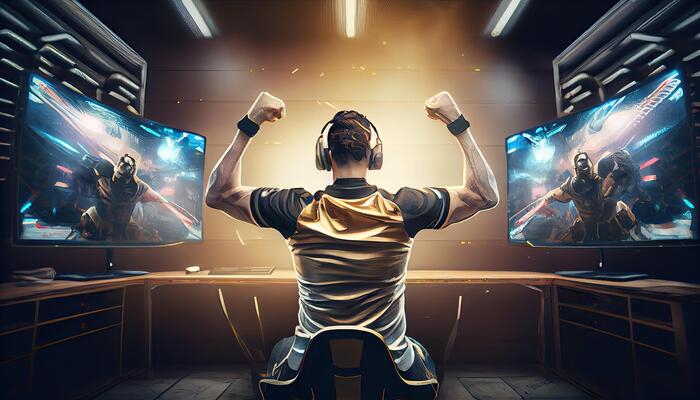
Most small tournaments fail to stand out because they lack a brand identity. Think beyond just the event name.
- Logo & Visual Design: Create a simple but professional logo using Canva or hire a freelancer. Use consistent colors and fonts across posters, tickets, and stream overlays.
- Event Hashtag: Launch a short, catchy hashtag (#ClashInCity, #BattleAtArena) and encourage players, casters, and spectators to use it on social media.
- Theme Music & Intro Video: A short hype reel at the start of the stream can make even a small event feel professional.
Player & Audience Experience

Players are the stars of your event — but don’t forget the audience.
- For Players:
- Provide warm-up areas with test PCs or consoles.
- Give them custom lanyards, wristbands, or team badges.
- Offer healthy snacks, water, and a resting zone.
- For Audience:
- Create interactive polls (predict winners, MVP votes).
- Run side contests (cosplay, trivia, lucky draw).
- Add big-screen displays with live brackets and highlights.
Creating a Professional Broadcast
A great stream can make your event visible worldwide and attract sponsors.
- Commentary & Casters: Even amateur casters can create hype if they’re energetic and knowledgeable. Pair a “play-by-play” commentator with a “color” analyst.
- Graphics Package: Use consistent overlays showing player names, scores, and sponsors. OBS plugins or premade packs work well.
- Camera Angles: Add a player cam, crowd cam, and caster cam to make the stream dynamic.
Community Engagement Before & After the Event
The event itself may last only a day or weekend, but the community building starts much earlier.
- Before: Run online qualifier matches, Discord scrims, or mini show matches. Post countdown teasers daily on TikTok and Instagram.
- During: Encourage attendees to post photos with your hashtag. Create a “social wall” showing live posts.
- After: Share behind-the-scenes videos, bloopers, and a thank-you message to participants and sponsors.
Monetization Beyond Tickets
Ticket sales and entry fees are good, but a sustainable event model needs multiple revenue streams:
- Merchandise: Event-branded t-shirts, hoodies, and caps. Limited editions create urgency.
- VIP Passes: Offer reserved seating, free snacks, or a meet-and-greet with casters.
- Digital Passes: Paid access to exclusive VODs, replays, or coaching sessions.
- Food & Beverage Deals: Partner with local vendors for revenue share.
Esports Safety & Inclusivity
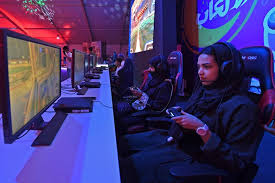
Running a safe and inclusive event is critical for credibility:
- Have a clear anti-harassment policy and a reporting system.
- Provide gender-neutral facilities and ensure accessibility for disabled attendees.
- Train staff on how to handle disputes, harassment, or emergencies.
This not only protects your event legally but also builds trust in your community.
1. Choosing the Right Venue and Setup
The venue you select will set the tone for your Esports Tournament. A cramped or poorly equipped space can ruin the experience for both players and spectators. Consider venues that already host gaming events, such as gaming arenas, convention centers, or university halls with modern facilities. Ensure:
- High-speed internet with backup connections.
- Enough power outlets for PCs, consoles, and broadcasting equipment.
- Proper lighting and sound systems.
- Comfortable seating for both participants and fans.
For 2025, hybrid events are trending—so choose a venue that allows for both in-person and online streaming setups.
2. Tournament Structure and Rules
Players take competition seriously, so your Esports Tournament must have clear rules and formats. Decide whether you want single elimination, double elimination, or round-robin brackets. Publish these rules well in advance and ensure referees or admins are available to handle disputes. Transparent rules build credibility and encourage repeat participation.
3. Leveraging Technology for Efficiency
Technology plays a massive role in modern tournaments. Use platforms like Challonge or Battlefy to manage brackets and registrations. In 2025, AI-powered analytics and match-tracking tools are becoming popular, giving fans real-time stats and replays. A mobile app for your Esports Tournament can also provide schedules, notifications, and live score updates, enhancing the audience experience.
4. Monetization Opportunities
Running a professional event isn’t cheap, but monetization can balance expenses. Besides sponsorships, consider:
- Ticket Sales – Offer VIP seating, early bird discounts, and bundled passes.
- Merchandise – Branded T-shirts, caps, and jerseys tied to your tournament.
- Food & Beverage Partnerships – Collaborate with local vendors to serve attendees.
- Streaming Revenue – Monetize through Twitch subscriptions, ads, and donations.
By diversifying income streams, your Esports Tournament can remain financially sustainable.
5. Building Hype with Storytelling
Every great Esports Tournament has narratives—rivalries between teams, underdog stories, or hometown heroes. Highlight these in your marketing campaigns to draw more spectators. Share player profiles, interviews, and practice footage on social media to make the audience emotionally invested before the event even begins.
6. Safety and Accessibility
In 2025, inclusivity and safety are major priorities. Ensure your venue has accessibility features for differently-abled fans. Also, create clear safety protocols, including crowd management, first aid, and cybersecurity measures for online participants. A safe, welcoming environment boosts your reputation and ensures families feel comfortable attending your Esports Tournament.
7. Post-Event Engagement
Your work doesn’t end when the tournament concludes. Post highlights, MVP interviews, and recap videos online to keep momentum going. Encourage participants to share their experiences and collect feedback through surveys. This not only strengthens your brand but also gives you valuable insights to make your next Esports Tournament even better.
Case Study: How a Small Local Event Became a Regional Hit
Take the example of “Midwest Gaming Clash” — a student-run event in the US:
- Started with 20 players in a rented hall.
- Focused on Smash Bros. and League of Legends.
- Added professional streaming in year two and secured a local pizza chain as sponsor.
- Within three years, it scaled to 300+ attendees, attracted regional teams, and gained permanent sponsorship from a tech retailer.
The takeaway? Growth comes from consistency, good branding, and delivering value to players and sponsors.
Measuring Success: KPIs for Esports Events
If you want to improve year by year, you need to measure success with the right metrics:
- Attendance: Total participants + spectators.
- Online Viewership: Live stream peak concurrent viewers, total watch time.
- Engagement: Social media posts, hashtag mentions, Discord growth.
- Financials: Revenue vs. expenses, sponsor ROI.
- Community Feedback: Post-event surveys and testimonials.
Future-Proofing Your Esports Event
Esports evolves quickly — games rise and fall in popularity. To stay relevant:
- Keep an eye on trending titles (Valorant, Apex Legends, or new fighting games).
- Adopt hybrid formats (in-person + online qualifiers).
- Build annual traditions so your event becomes a calendar staple.
FAQs
Q: How many players work best for 1-day events?
A: 16–64 players is manageable.
Q: What’s the minimum internet speed?
A: At least 25 Mbps upload for stable 1080p streaming.
Q: How do I pay casters?
A: Volunteers are common for small events; pros require a daily fee.
Conclusion — One-Page Checklist
- Validate demand
- Lock date & venue
- Confirm budget & sponsors
- Recruit staff & volunteers
- Launch registration & marketing
- Run full rehearsal
- Execute event day runbook
- Publish recap & deliver reports
You now know exactly how to organize a local esports tournament — from scratch to finish. Follow this blueprint, grow your community, and keep iterating for bigger, better events.
1. Build a Strong Online Presence Early
One of the most effective ways to attract both participants and spectators is through digital marketing. Create dedicated social media pages, an event website, and an easy registration system. Share teasers about the games featured in your Esports Tournament, behind-the-scenes updates, and highlight reels from previous events if available. In 2025, short-form video content on platforms like Instagram Reels, TikTok, and YouTube Shorts is a powerful tool to generate hype and reach new audiences.
2. Collaborate with Local Gaming Communities
Grassroots gaming communities are the backbone of any Esports Tournament. Reach out to local gaming cafés, streamers, and clubs who can help promote the event. Offering discounted team entries or early bird tickets can encourage sign-ups. By involving the community, you not only increase participation but also create a loyal fan base for future tournaments.
3. Secure Sponsors and Partnerships
Sponsorship is critical in covering costs like venue, equipment, and prize pools. In 2025, brands outside of gaming—from food delivery apps to fitness companies—are eager to associate with esports because of the young, engaged audience. Pitch your Esports Tournament as an opportunity for them to reach a passionate demographic. Offer tiered sponsorship packages that include logo placement, social media mentions, and booth space at the event.
4. Prioritize Player and Spectator Experience
A successful Esports Tournament is not just about who wins; it’s about the entire experience. Ensure that the venue has comfortable seating, reliable internet, and high-quality displays. For spectators, consider adding interactive zones such as VR stations, merchandise stalls, or meet-and-greet opportunities with popular streamers. If players and fans leave with memorable experiences, they are more likely to return and spread positive word-of-mouth.
5. Stream the Event Online
While your tournament is local, streaming it on Twitch, YouTube, or Kick can significantly expand its reach. Live streaming helps remote fans engage with the event and adds prestige to your Esports Tournament. Adding professional casters and overlays can give your broadcast a polished, competitive feel, making it more attractive to sponsors and viewers alike.
6. Create a Long-Term Vision
Don’t just think about this year’s event—plan for growth. Document everything from logistics to marketing strategies so you can improve in the next edition. Building a brand around your Esports Tournament will ensure it becomes an annual tradition, steadily growing in popularity and recognition.
Pingback: Upcoming Community Gaming Tournaments 2025: 5 Exciting Must-Watch Events You Can’t Miss -