
Introduction: Competitive Play Needs Purpose-Built Devices
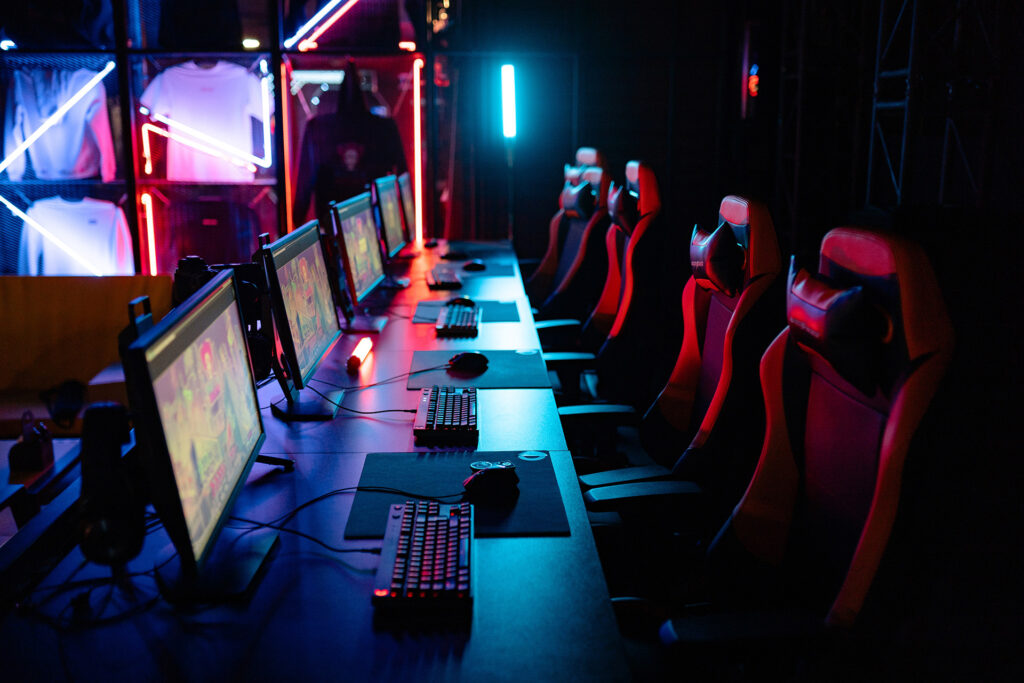
In competitive gaming, performance is rarely limited by talent alone. Many players practice daily, study strategies, and work on teamwork, yet still struggle with inconsistency. In most cases, the issue is not skill—it is the lack of tournament-focused gaming devices.
Unlike casual gaming accessories, tournament-focused gaming devices are designed for stability, accuracy, and endurance. They do not promise miracles or instant improvement. Instead, they remove small technical barriers that silently affect performance during intense matches.
This blog explains how tournament-focused gaming devices influence competitive consistency, why they matter in serious play, and how players can choose them wisely without chasing unnecessary hype.
What Are Tournament-Focused Gaming Devices?
Tournament-focused gaming devices are hardware tools built specifically to perform reliably in competitive environments. Their purpose is not aesthetics or extreme features, but predictable performance under pressure.
Core Characteristics
- Stable input response
- Low latency
- Comfort for long sessions
- Compliance with tournament rules
These devices are commonly used in ranked play, online competitions, and esports events where consistency matters more than flashy design.
Why Tournament-Focused Devices Matter in Competitive Gaming
Competitive gaming exposes every weakness in a setup.
During high-pressure moments:
- Delayed clicks cost rounds
- Audio drops cause missed information
- Discomfort reduces focus
Tournament-focused gaming devices minimize these risks. They allow players to concentrate fully on decision-making and execution instead of worrying about hardware behavior.
Precision Gaming Peripherals and Mechanical Reliability
Precision gaming peripherals form the foundation of any esports-ready setup.
Why Precision Matters
Precision is not just about speed; it is about accuracy and predictability. When a mouse tracks exactly as expected or a key registers consistently, players build trust in their actions.
Over time, this trust improves:
- Muscle memory
- Reaction confidence
- Movement consistency
Unreliable devices break this trust and slow improvement.
Gaming Mice Designed for Tournament Play
A tournament-focused gaming mouse prioritizes control over exaggeration.
Key Features That Actually Matter
- Stable optical sensor
- Comfortable shape for long use
- Consistent click feedback
- Wired reliability
High DPI numbers or aggressive RGB lighting do not improve competitive performance. What matters is how the mouse feels after hours of use during important matches.
Keyboards in Tournament-Focused Gaming Devices
Keyboards are often overlooked, yet they handle constant inputs.
Competitive Keyboard Priorities
- Anti-ghosting and rollover support
- Consistent actuation
- Durable build quality
Tournament-focused keyboards reduce accidental inputs and ensure every command registers cleanly. This reliability becomes crucial in fast-paced competitive play.
Headsets and Audio Precision in Competitive Matches
Audio accuracy is a silent advantage.
Tournament-focused gaming headsets emphasize:
- Directional clarity
- Balanced sound profiles
- Clean microphone output
Clear audio helps players react faster, coordinate better, and avoid confusion during chaotic moments. In team-based games, communication clarity alone can decide outcomes.
Visual Stability and Competitive Awareness
Displays are a major part of gaming hardware performance.
What Matters More Than Specs
- Stable frame delivery
- Low response time
- Comfortable viewing size
Tournament-focused gaming devices aim to reduce visual strain and motion inconsistencies. Players who see clearly make faster, more confident decisions.
Comfort: The Hidden Competitive Factor
Comfort directly affects consistency.
Discomfort causes:
- Reduced concentration
- Physical fatigue
- Mental frustration
Tournament-focused gaming devices are designed to remain comfortable during long sessions. This allows players to maintain performance throughout extended tournaments or practice blocks.
Tournament-Focused Gaming Devices and Mental Confidence
Confidence in competitive gaming often starts with trust in equipment.
When players know their devices will not fail:
- Hesitation decreases
- Aggression becomes controlled
- Recovery after mistakes improves
This mental stability is one of the biggest advantages of using tournament-focused gaming devices.
Competitive Gaming Gear and Input Consistency
Input consistency is the ability of a device to behave the same way every time.
Why It Matters
- Builds reliable habits
- Reduces randomness
- Improves execution under stress
Competitive gaming gear that delivers consistent input allows players to refine skills faster and perform reliably in tournaments.
Tournament Compliance and Hardware Safety
Most organized competitions restrict:
- Macros
- Modified firmware
- Unverified accessories
Tournament-focused gaming devices are designed to meet standard regulations, reducing the risk of penalties or disqualification. This compliance protects players and teams from unnecessary issues.
Team-Level Benefits of Standardized Gaming Devices
In team environments, device reliability affects everyone.
Standardized or balanced setups:
- Reduce technical delays
- Prevent blame culture
- Improve team morale
Teams using tournament-focused gaming devices experience smoother coordination and fewer disruptions during matches.
Budget Strategy for Tournament-Focused Setups
Spending smart matters more than spending big.
Smart Upgrade Order
- Headset (communication first)
- Mouse (precision)
- Keyboard (consistency)
- Display (comfort)
Tournament-focused gaming devices exist at multiple price points. Entry-level options often perform nearly as well as premium gear for most players.
Long Practice Sessions and Device Endurance
Competitive growth requires repetition.
Poor devices cause:
- Early fatigue
- Inconsistent feedback
- Practice inefficiency
Tournament-focused gaming devices are built to endure long sessions without degrading performance, supporting steady improvement.
Gaming Hardware Performance and Health
Long-term health affects long-term performance.
Ergonomic tournament-focused devices reduce:
- Wrist strain
- Neck tension
- Eye fatigue
Players who ignore ergonomics often face injuries that limit practice and competition.
Avoiding Marketing Traps in Gaming Devices
Marketing often exaggerates performance gains.
Common Myths
- “More features equal better performance”
- “Pro gear guarantees wins”
- “Expensive means superior”
Tournament-focused gaming devices succeed because they are simple, reliable, and purpose-driven—not because they are flashy.
When Tournament-Focused Gaming Devices Become Necessary
Upgrading makes sense when:
- Current gear limits consistency
- Competitive level increases
- Practice volume rises
Upgrading too early wastes money. Upgrading too late limits growth.
Tournament-Focused Devices and Competitive Longevity
Longevity matters in competitive gaming.
Devices that prioritize:
- Comfort
- Reliability
- Stability
support longer careers and sustained performance. Short-term gains mean little without long-term consistency.
Final Thoughts: Purpose Beats Hype
Tournament-focused gaming devices exist to support players, not replace skill. Their role is to remove distractions, ensure consistency, and allow effort to translate into performance.
When chosen wisely, these devices disappear from attention. Players stop thinking about hardware and start focusing entirely on strategy, teamwork, and execution.
That is the real value of tournament-focused gaming devices—they let skill speak without interference.
Tournament-Focused Gaming Devices and Competitive Consistency
Consistency is the most valuable currency in competitive gaming. Many players can perform well on a good day, but tournaments are won by those who perform reliably across multiple matches. Tournament-focused gaming devices play a critical role in creating this consistency.
When devices behave the same way every time, players build dependable habits. Mouse movement feels predictable, keyboard inputs register cleanly, and audio cues remain clear. This consistency reduces uncertainty, which directly improves performance under pressure.
In competitive environments, uncertainty is the enemy. Even minor doubts—like wondering whether a click registered or whether a sound cue was accurate—slow decision-making. Tournament-focused gaming devices eliminate these doubts and allow players to act instinctively.
The Relationship Between Hardware Stability and Skill Expression
Skill expression depends heavily on stability. A player may have excellent mechanics, but unstable hardware hides that skill.
How Stability Enhances Skill
- Accurate aim relies on consistent mouse tracking
- Fast movement depends on reliable keyboard response
- Tactical decisions require clear audio and visuals
Tournament-focused gaming devices act as neutral platforms that allow skill to show without interference. They do not boost performance artificially; they simply prevent performance loss.
Gaming Devices and Competitive Identity Formation
As players grow competitively, they develop a distinct playstyle. Some players rely on aggressive mechanics, while others focus on positioning, strategy, or support roles. Tournament-focused gaming devices help players discover and refine their competitive identity.
When hardware remains consistent, players can accurately evaluate their strengths and weaknesses. This self-awareness accelerates improvement and makes training more efficient.
Inconsistent devices confuse feedback, making it harder to identify whether mistakes are mechanical or strategic.
Tournament-Focused Gaming Devices and Practice Efficiency
Practice quality matters more than practice quantity.
Poor devices reduce practice efficiency by:
- Causing frequent interruptions
- Introducing inconsistent feedback
- Creating physical discomfort
Tournament-focused gaming devices increase practice efficiency by ensuring every session delivers reliable feedback. Players can trust that mistakes reflect skill gaps rather than technical issues.
This trust allows for focused improvement instead of endless troubleshooting.
Competitive Gaming Gear and Cognitive Load
Cognitive load refers to how much mental effort a player uses during gameplay.
Unreliable devices increase cognitive load because players subconsciously monitor:
- Input response
- Audio clarity
- Visual stability
Tournament-focused gaming devices reduce this mental burden. When hardware becomes invisible, players allocate more cognitive resources to:
- Strategy
- Opponent behavior
- Team communication
Lower cognitive load directly improves reaction speed and decision-making.
Tournament-Focused Gaming Devices in High-Stakes Matches
High-stakes matches amplify every weakness.
In tournament finals or elimination rounds:
- Stress levels rise
- Decision windows shrink
- Mistakes become costly
Tournament-focused gaming devices perform consistently even under these conditions. They do not overheat easily, lose connection, or behave unpredictably.
This reliability gives players confidence to execute plays they have practiced hundreds of times.
Input Precision vs Input Speed
Many players chase speed, believing faster devices automatically improve performance. In reality, input precision matters more than raw speed.
Tournament-focused gaming devices prioritize:
- Clean actuation
- Predictable response curves
- Accurate tracking
Precision ensures that fast actions remain controlled. Speed without precision leads to misplays, overshooting, and panic under pressure.
Tournament-Focused Gaming Devices and Muscle Memory Protection
Muscle memory develops slowly and is fragile.
Frequent device changes or inconsistent hardware behavior disrupt muscle memory. Tournament-focused gaming devices protect muscle memory by maintaining:
- Consistent shapes
- Stable sensitivity
- Reliable input feedback
Players who protect muscle memory improve faster and adapt better during competitive matches.
Audio Accuracy as a Competitive Resource
In competitive gaming, sound is information.
Tournament-focused gaming headsets emphasize:
- Directional accuracy
- Balanced frequency response
- Clear voice transmission
Accurate audio helps players anticipate actions, react faster, and coordinate better. Poor audio causes hesitation and miscommunication, which often decides close matches.
Visual Comfort and Decision Accuracy
Visual discomfort affects performance subtly but significantly.
Tournament-focused displays and settings reduce:
- Motion blur
- Screen tearing
- Eye strain
When visual input remains comfortable, players maintain focus longer and make better decisions deep into matches.
Tournament-Focused Gaming Devices and Emotional Regulation
Emotional regulation is a competitive skill.
Unreliable devices increase frustration, which leads to:
- Tilt
- Blame
- Poor communication
Reliable gaming devices stabilize emotions by removing unnecessary triggers. Players recover faster after mistakes and maintain composure during difficult rounds.
Competitive Gaming Gear and Team Trust
Team trust is built on reliability.
When teammates know that everyone’s setup is stable:
- Excuses disappear
- Accountability improves
- Coordination strengthens
Tournament-focused gaming devices reduce internal conflicts by removing technical uncertainties from team dynamics.
Standardization of Gaming Devices in Competitive Teams
Many competitive teams standardize device categories.
This does not mean everyone uses identical models, but:
- Similar performance levels
- Comparable reliability
- Equal competitive consideration
Standardization improves fairness within teams and prevents hardware from becoming a source of imbalance.
Tournament-Focused Gaming Devices and Scrim Quality
Scrims are practice matches against other teams.
High-quality scrims require:
- Minimal technical delays
- Stable performance
- Clear communication
Tournament-focused gaming devices ensure scrims resemble real tournament conditions, making practice more effective.
The Economics of Competitive Gaming Gear
Smart investment matters.
Tournament-focused gaming devices are cost-effective because:
- They last longer
- Require fewer replacements
- Deliver consistent performance
Cheap, flashy devices often fail early, increasing long-term costs and frustration.
Avoiding Over-Optimization Syndrome
Over-optimization happens when players constantly tweak devices and settings.
Tournament-focused gaming devices discourage this by:
- Providing reliable defaults
- Reducing the need for constant adjustments
Players spend less time tweaking and more time practicing actual gameplay.
Competitive Gaming Hardware and Injury Prevention
Injuries end careers faster than losses.
Tournament-focused devices emphasize:
- Ergonomic design
- Comfortable grip and posture
- Reduced strain
Protecting physical health ensures long-term competitive participation.
Gaming Devices and Competitive Discipline
Discipline extends beyond gameplay.
Tournament-focused gaming devices encourage discipline by:
- Supporting routine maintenance
- Promoting stable setups
- Reinforcing professional habits
Players who respect their equipment often respect competition rules as well.
Tournament-Focused Gaming Devices in Online Competitions
Online competitions magnify technical issues.
Tournament-focused gaming devices handle:
- Long sessions
- Network fluctuations
- Platform compatibility
This reliability is crucial when matches cannot be replayed due to hardware excuses.
Competitive Gaming Gear and Rule Compliance
Compliance matters.
Tournament-focused gaming devices are designed to:
- Avoid banned features
- Meet tournament standards
- Reduce risk of disqualification
Players who prioritize compliance protect their reputation and career prospects.
Device Reliability and Competitive Reputation
Reputation spreads quickly in competitive communities.
Players known for:
- Frequent technical issues
- Match delays
- Hardware complaints
lose credibility. Reliable devices support professionalism and positive reputation.
Tournament-Focused Gaming Devices and Learning Curves
Learning curves become smoother with reliable hardware.
Players can:
- Identify true skill gaps
- Measure improvement accurately
- Adjust training effectively
Inconsistent devices distort feedback and slow learning.
Competitive Gaming Gear and Adaptability
Players using stable devices adapt faster to:
- New metas
- Game updates
- Tournament formats
Consistency at the hardware level allows flexibility at the strategic level.
Tournament-Focused Gaming Devices as Silent Partners
The best gaming devices do not demand attention.
They:
- Do not distract
- Do not frustrate
- Do not surprise
Tournament-focused gaming devices act as silent partners, supporting performance quietly.
Long-Term Competitive Planning and Hardware
Serious players plan long-term.
Tournament-focused gaming devices fit into long-term plans because:
- They remain relevant across seasons
- Support gradual skill growth
- Reduce upgrade pressure
This stability allows players to focus on improvement instead of constant shopping.
Competitive Gaming Gear and Confidence Building
Confidence grows when performance feels controllable.
Reliable devices:
- Reduce hesitation
- Encourage assertive play
- Improve clutch potential
Confidence built on stability is more durable than confidence built on luck.
Tournament-Focused Gaming Devices and Competitive Integrity
Integrity is reinforced when outcomes reflect skill.
Reliable devices ensure:
- Fair competition
- Honest results
- Respect for opponents
Integrity strengthens the competitive ecosystem as a whole.
Transitioning From Casual to Competitive Play
Casual players entering competition often struggle.
Tournament-focused gaming devices ease this transition by:
- Providing stable feedback
- Supporting disciplined habits
- Matching competitive expectations
The smoother the transition, the higher the retention.
Tournament-Focused Gaming Devices and Career Longevity
Longevity depends on sustainability.
Devices that:
- Reduce strain
- Maintain reliability
- Support consistency
enable players to compete for years instead of burning out early.
Final Extended Reflection
Tournament-focused gaming devices are not shortcuts. They are foundations.
They:
- Protect skill expression
- Support mental stability
- Encourage professionalism
Players who invest wisely in tournament-focused gaming devices create environments where effort turns into results consistently.
In competitive gaming, success is rarely dramatic. It is built quietly, match after match, decision after decision. Reliable devices simply ensure that nothing stands in the way of that progress—even on the toughest days 😅
Tournament-Focused Gaming Devices and Competitive Consistency
Consistency is the most valuable currency in competitive gaming. Many players can perform well on a good day, but tournaments are won by those who perform reliably across multiple matches. Tournament-focused gaming devices play a critical role in creating this consistency.
When devices behave the same way every time, players build dependable habits. Mouse movement feels predictable, keyboard inputs register cleanly, and audio cues remain clear. This consistency reduces uncertainty, which directly improves performance under pressure.
In competitive environments, uncertainty is the enemy. Even minor doubts—like wondering whether a click registered or whether a sound cue was accurate—slow decision-making. Tournament-focused gaming devices eliminate these doubts and allow players to act instinctiv
The Relationship Between Hardware Stability and Skill Expression
Skill expression depends heavily on stability. A player may have excellent mechanics, but unstable hardware hides that skill.
How Stability Enhances Skill
- Accurate aim relies on consistent mouse tracking
- Fast movement depends on reliable keyboard response
- Tactical decisions require clear audio and visuals
Tournament-focused gaming devices act as neutral platforms that allow skill to show without interference. They do not boost performance artificially; they simply prevent performance loss.