
Introduction: Why Stability Beats Flashy Features
In competitive gaming, performance is rarely about doing something extraordinary. Most of the time, it is about not failing at critical moments. Missed inputs, delayed audio, sudden discomfort, or inconsistent tracking are small problems—but in competitive matches, small problems decide outcomes.
This is where performance-driven gaming devices matter. Unlike casual or aesthetic-focused gear, these devices are built to deliver stability, predictability, and endurance. They do not promise instant improvement or magical wins. Instead, they quietly support serious players by removing friction from gameplay.
This blog explains how performance-driven gaming devices help competitive players stay consistent, why stability is more important than specs, and how the right hardware choices support long-term growth instead of short-term hype.
What Are Performance-Driven Gaming Devices?
Performance-driven gaming devices are hardware tools designed with one clear goal: reliable competitive performance.
They prioritize:
- Consistent input behavior
- Low and predictable latency
- Comfort over long sessions
- Compliance with competitive rules
These devices are commonly used in ranked ladders, online tournaments, scrims, and esports environments where reliability matters more than appearance.
Why Competitive Players Need Performance-Driven Devices
Casual gaming forgives mistakes. Competitive gaming does not.
In competitive environments:
- One missed click can lose a round
- One unclear callout can break coordination
- One moment of discomfort can reduce focus
Performance-driven gaming devices minimize these risks. They allow players to invest mental energy in decision-making and teamwork, not in managing hardware issues.
Stability as a Competitive Advantage
Stability is an underrated advantage.
When devices behave consistently:
- Muscle memory forms faster
- Reactions become automatic
- Confidence increases
Unstable devices introduce doubt. Even subconscious doubt slows reaction time. Performance-driven gaming devices remove that doubt and create a stable foundation for skill expression.
Competitive Gaming Hardware and Skill Visibility
Skill does not always show itself clearly.
A player may have:
- Good aim
- Strong positioning
- Smart decision-making
but inconsistent hardware hides these abilities. Performance-driven gaming devices act as neutral tools that let skill appear without distortion.
They do not boost performance artificially; they prevent performance loss caused by technical inconsistency.
Performance-Driven Gaming Mice: Precision Over Numbers
Why Mouse Reliability Matters Most
The mouse is the most sensitive competitive gaming device. Every micro-movement, flick, and correction depends on it.
Performance-driven gaming mice focus on:
- Stable optical sensors
- Predictable tracking
- Comfortable shapes
- Consistent clicks
High DPI values and extreme polling rates sound impressive, but control and predictability matter far more for competitive play.
Common Mistake
Choosing a mouse for marketing features instead of long-session comfort and tracking reliability.
Keyboards Built for Competitive Consistency
Keyboards support constant movement and ability usage.
Performance-driven gaming keyboards emphasize:
- Anti-ghosting
- Consistent actuation
- Durable key switches
- Minimal input errors
Mechanical or membrane matters less than consistency. A keyboard that always registers inputs cleanly builds trust and supports muscle memory.
Headsets and the Importance of Audio Accuracy
Audio is information.
In competitive matches, players rely on sound for:
- Position awareness
- Timing cues
- Team communication
Performance-driven gaming headsets prioritize:
- Directional accuracy
- Balanced sound profiles
- Clear microphone output
Overpowered bass often harms clarity. Competitive players need information, not exaggerated effects.
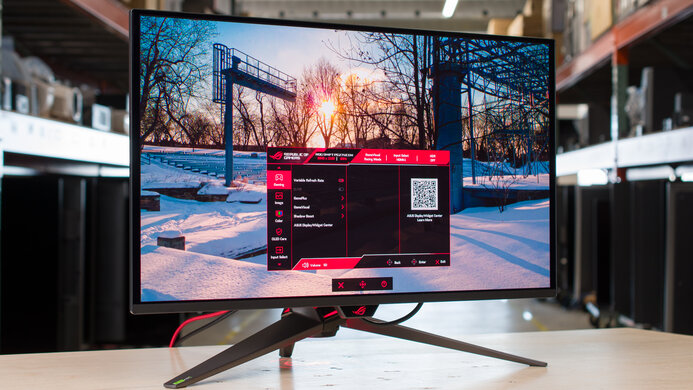
Displays and Visual Stability in Competitive Gaming
Visual clarity directly affects decision-making.
Performance-driven displays focus on:
- Stable frame delivery
- Low response time
- Comfortable viewing size
- Reduced eye strain
High refresh rates help, but consistency and comfort matter more for most players than extreme specs.
Comfort: The Silent Performance Multiplier
Comfort is not luxury—it is performance support.
Discomfort leads to:
- Loss of focus
- Physical fatigue
- Mental irritation
Performance-driven gaming devices are designed to remain comfortable during long practice sessions and tournaments, helping players maintain performance over time.
Performance-Driven Devices and Reaction Time
Reaction time is influenced by both biology and hardware.
Reliable devices reduce:
- Input delay
- Audio lag
- Visual inconsistency
This does not make reactions superhuman—but it ensures reactions are not slowed by hardware limitations.
Mental Confidence and Hardware Trust
Trust in equipment builds confidence.
When players trust their performance-driven gaming devices:
- Hesitation decreases
- Panic reduces
- Recovery after mistakes improves
Confidence built on stability is far stronger than confidence built on occasional success.
Performance-Driven Gaming Devices in Online Competitions
Online competitions expose every technical weakness.
Performance-driven gaming devices handle:
- Long sessions
- Platform compatibility
- Consistent behavior under load
In online matches, there are no replays for hardware excuses. Reliability becomes non-negotiable.
Rule Compliance and Competitive Safety
Many competitive events restrict:
- Macros
- Custom firmware
- Scripted inputs
Performance-driven gaming devices are designed to meet standard competitive rules, reducing the risk of penalties or disqualification and protecting player reputation.
Team-Level Impact of Reliable Gaming Devices
In team-based competition, one weak setup affects everyone.
Balanced performance-driven setups:
- Reduce delays
- Prevent internal blame
- Improve coordination
Teams with stable hardware environments communicate better and focus on improvement instead of excuses.
Practice Quality and Device Reliability
Practice is only useful when feedback is reliable.
Unstable devices distort feedback, making it hard to tell whether mistakes are mechanical or strategic. Performance-driven gaming devices ensure that practice reflects real skill gaps, improving training efficiency.
Performance-Driven Gaming Devices and Cognitive Load
Cognitive load refers to mental effort.
Unreliable hardware increases cognitive load because players subconsciously monitor:
- Input response
- Audio clarity
- Visual stability
Performance-driven gaming devices reduce this load, freeing mental resources for:
- Strategy
- Opponent tracking
- Team coordination
Lower cognitive load improves consistency.
Long Tournament Sessions and Device Endurance
Many competitive events last several hours.
Performance-driven gaming devices are built for endurance:
- Stable performance over time
- Minimal heat or degradation
- Consistent comfort
Endurance matters more than peak performance in long tournaments.
Ergonomics and Long-Term Player Health
Injuries end competitive journeys early.
Performance-driven gaming devices emphasize:
- Ergonomic shapes
- Reduced strain
- Natural posture support
Protecting health ensures longevity in competitive gaming.
Avoiding the Marketing Trap in Gaming Devices
Marketing often exaggerates benefits.
Common myths:
- “More features equal better performance”
- “Pro gear guarantees wins”
- “Expensive means superior”
Performance-driven gaming devices succeed because they are simple, reliable, and purpose-built, not because they are flashy.
Smart Budgeting for Performance-Driven Setups
Spending wisely matters.
Recommended priority:
- Headset (communication)
- Mouse (precision)
- Keyboard (consistency)
- Display (comfort)
Performance-driven gaming devices exist at multiple price levels. Entry-level competitive gear often performs nearly as well as premium options for most players.
Performance-Driven Devices and Muscle Memory Protection
Muscle memory develops slowly.
Frequent device changes or inconsistent behavior disrupt it. Performance-driven gaming devices protect muscle memory by maintaining:
- Consistent shapes
- Stable sensitivity
- Reliable input feedback
Protected muscle memory leads to faster improvement.
Competitive Reputation and Hardware Reliability
Reputation spreads quickly in competitive communities.
Players known for:
- Hardware delays
- Frequent issues
- Match interruptions
lose credibility. Reliable performance-driven gaming devices support professionalism and trust.
Adaptability and Stable Hardware
Games change. Metas evolve.
Players with stable hardware adapt faster because:
- Input habits remain consistent
- Focus stays on strategy
- Learning curves shorten
Consistency at the hardware level allows flexibility at the gameplay level.
Performance-Driven Gaming Devices as Silent Partners
The best devices are unnoticed.
They:
- Do not distract
- Do not frustrate
- Do not demand attention
Performance-driven gaming devices act as silent partners, supporting every action without interference.
Long-Term Planning and Device Choice
Serious players think long-term.
Performance-driven gaming devices:
- Remain relevant across seasons
- Support gradual improvement
- Reduce upgrade pressure
Long-term stability saves money and mental energy.
Confidence Built on Control
Control builds confidence.
When actions feel precise and predictable, players:
- Commit to decisions
- Play assertively
- Perform better under pressure
Confidence rooted in control is durable.
Competitive Integrity and Fair Outcomes
Reliable devices ensure outcomes reflect skill.
Performance-driven gaming devices support:
- Fair competition
- Honest results
- Respect for opponents
Integrity strengthens the entire competitive ecosystem.
Transition From Casual to Competitive Play
Casual players entering competition often struggle with inconsistency.
Performance-driven gaming devices ease this transition by:
- Providing stable feedback
- Supporting disciplined habits
- Matching competitive expectations
A smoother transition increases retention.
Longevity in Competitive Gaming
Longevity depends on sustainability.
Devices that emphasize:
- Comfort
- Reliability
- Consistency
enable players to compete longer and improve steadily instead of burning out early.
Final Reflection: Stability Is the Real Advantage
Performance-driven gaming devices do not create skill. They protect it.
They remove distractions, reduce inconsistency, and allow effort to translate into results. In competitive gaming, success is built quietly—through repetition, discipline, and trust in one’s setup.
When hardware becomes invisible, players become visible.
That is the true value of performance-driven gaming devices: they let skill speak clearly, match after match—even on the hardest days 😅
Performance-Driven Gaming Devices and Competitive Habits
Competitive performance is not built in matches alone; it is built in habits. The way players sit, warm up, adjust settings, and maintain their gear directly impacts consistency. Performance-driven gaming devices reinforce good habits because they behave predictably. When hardware response is reliable, players can focus on routine instead of troubleshooting.
Over time, this creates disciplined behavior:
- Same warm-up drills
- Same sensitivity and layout
- Same audio balance
Habits compound. Stable devices allow those habits to actually work.
Warm-Up Routines and Device Readiness
Warm-ups are ineffective if devices behave differently each session. Performance-driven gaming devices make warm-ups meaningful.
Effective warm-ups include:
- Aim tracking with consistent mouse response
- Movement drills with reliable keyboard actuation
- Audio checks with stable headset output
When devices respond the same way every time, warm-ups translate directly into in-game performance.
Performance-Driven Devices and Competitive Awareness
Competitive awareness depends on how clearly information reaches the player.
Information comes from:
- Visual cues
- Audio cues
- Tactile feedback
Performance-driven gaming devices sharpen this information pipeline. Clear visuals, accurate audio, and consistent inputs help players process situations faster and react intelligently.
Poor devices blur information. Blurred information leads to late decisions.
Hardware Reliability and Decision Confidence
Decision-making speed depends on confidence.
When players trust their hardware:
- They commit faster
- They hesitate less
- They recover quicker after mistakes
Performance-driven gaming devices remove second-guessing. Players stop wondering whether a mistake was technical and start focusing on improving decisions.
Performance-Driven Gaming Devices and Clutch Situations
Clutch moments expose weaknesses brutally.
In high-pressure rounds:
- Hands shake slightly
- Focus narrows
- Time feels compressed
In these moments, unreliable hardware destroys execution. Performance-driven gaming devices remain predictable even under stress, allowing muscle memory to take over.
Clutch success often comes from not thinking, and that only happens when devices are trustworthy.
Competitive Gaming Devices and Stress Management
Stress is unavoidable in competition. Managing it is a skill.
Performance-driven gaming devices help manage stress by:
- Reducing unexpected behavior
- Eliminating input inconsistency
- Maintaining physical comfort
When stress increases, stability becomes more valuable than raw performance.
Performance-Driven Devices and Input Forgiveness
Input forgiveness is how well devices handle imperfect actions.
Performance-driven gaming devices:
- Track smoothly during shaky movement
- Register keys cleanly even with fast presses
- Maintain accuracy under rapid input
This does not make mistakes disappear, but it prevents mistakes from snowballing due to hardware misbehavior.
The Role of Cable Stability and Build Quality
Small physical details matter.
Loose cables, weak connectors, or flimsy builds introduce:
- Micro-disconnections
- Input drops
- Audio crackle
Performance-driven gaming devices emphasize build quality because physical reliability directly affects digital performance.
Performance-Driven Gaming Devices and Setup Standardization
Serious players standardize their setups.
Standardization includes:
- Same device placement
- Same seating position
- Same screen distance
Performance-driven gaming devices support this consistency. When setups remain unchanged, muscle memory strengthens faster and mistakes reduce.
Competitive Gaming Hardware and Training Feedback
Training only works when feedback is accurate.
Unstable hardware distorts feedback:
- Missed shots feel random
- Movement errors feel unclear
- Timing feels inconsistent
Performance-driven gaming devices ensure that training feedback reflects true skill gaps, making improvement targeted instead of guesswork.
Performance-Driven Devices and Reaction Discipline
Fast reactions are useless without control.
Performance-driven gaming devices encourage reaction discipline:
- Acting when necessary
- Avoiding panic inputs
- Maintaining control under speed
Controlled reactions win more games than frantic speed.
Competitive Gaming Devices and Role Reliability
Different roles rely on devices differently.
Examples:
- Entry players rely heavily on mouse precision
- Support players depend on audio clarity
- Shot-callers need communication stability
Performance-driven gaming devices ensure each role functions reliably, improving overall team balance.
Hardware Stability and Strategic Execution
Strategies fail when execution fails.
Even the best plan collapses if:
- Inputs delay
- Audio cues drop
- Visual clarity suffers
Performance-driven gaming devices ensure strategies fail or succeed based on decisions, not technical interference.
Performance-Driven Gaming Devices and Match Review Accuracy
Reviewing matches is useless if hardware distorted performance.
Stable devices allow players to review matches and say:
- “This was a positioning error”
- “This was a timing mistake”
instead of:
- “My mouse felt weird”
- “Audio bugged out”
Clarity in review accelerates learning.
Competitive Gaming Devices and Long Scrim Blocks
Scrims often last longer than official matches.
Performance-driven gaming devices support:
- Extended focus
- Reduced fatigue
- Stable performance across hours
Teams with unreliable setups often decline in quality as scrims continue.
Performance-Driven Devices and Physical Fatigue Control
Fatigue reduces reaction time and decision quality.
Performance-driven gaming devices reduce fatigue by:
- Supporting natural hand posture
- Reducing unnecessary force
- Maintaining comfort
Less fatigue means better performance late into sessions.
Gaming Devices and Competitive Posture
Posture affects performance more than most players realize.
Performance-driven gaming devices complement good posture by:
- Aligning naturally with hand position
- Supporting neutral wrist angles
- Reducing tension points
Bad posture combined with poor devices accelerates burnout and injury.
Performance-Driven Devices and Player Confidence Cycles
Confidence works in cycles.
Reliable hardware:
- Builds confidence
- Confidence improves performance
- Performance reinforces confidence
Unreliable hardware breaks this cycle instantly.
Competitive Gaming Devices and Emotional Recovery
Everyone makes mistakes.
Performance-driven gaming devices help players recover emotionally because:
- Errors feel explainable
- Performance feels controllable
When players feel in control, they reset mentally faster.
Performance-Driven Gaming Devices and Anti-Tilt Support
Tilt often begins with frustration.
Frustration often begins with:
- Input failure
- Audio confusion
- Visual inconsistency
Performance-driven gaming devices reduce these triggers, indirectly preventing tilt.
Hardware Trust and Team Leadership
Team leaders rely heavily on hardware stability.
Shot-callers need:
- Clear audio
- Reliable push-to-talk
- Consistent feedback
Performance-driven gaming devices support leadership clarity and reduce miscommunication.
Competitive Gaming Devices and Tournament Scheduling
Tournament schedules are unforgiving.
Performance-driven gaming devices handle:
- Back-to-back matches
- Minimal breaks
- High cognitive demand
Devices that degrade under load become liabilities during tournaments.
Performance-Driven Gaming Devices and Fair Competition
Fair competition depends on equal opportunity to perform.
Stable devices ensure:
- No unfair advantage
- No hidden disadvantages
- Honest outcomes
Performance-driven gaming devices protect competitive integrity.
Device Familiarity and Rapid Adaptation
When metas change, players must adapt fast.
Stable devices allow adaptation because:
- Input habits remain unchanged
- Learning focuses on strategy, not mechanics
Device instability slows adaptation significantly.
Performance-Driven Gaming Devices and Skill Ceiling
Skill ceiling refers to maximum potential.
Unreliable hardware lowers skill ceiling by:
- Limiting consistency
- Introducing randomness
Performance-driven gaming devices raise the ceiling by removing artificial limits.
Competitive Gaming Hardware and Learning Plateaus
Learning plateaus happen when feedback becomes unclear.
Stable devices clarify plateaus by revealing:
- True mechanical limits
- Strategic blind spots
Clear feedback breaks plateaus faster.
Performance-Driven Devices and Competitive Reputation
In competitive scenes, reputation matters.
Players known for:
- Reliable setups
- Professional behavior
- No technical excuses
earn respect faster. Hardware reliability supports professional identity.
Performance-Driven Gaming Devices and Mental Energy Allocation
Mental energy is limited.
Stable devices reduce wasted energy spent on:
- Adjusting settings
- Fixing issues
- Managing discomfort
Saved mental energy improves focus and endurance.
Competitive Gaming Devices and Discipline Reinforcement
Discipline is reinforced by structure.
Performance-driven gaming devices:
- Encourage routine
- Reduce variability
- Support professional habits
Over time, discipline becomes automatic.
Performance-Driven Devices and Long-Term Improvement Curves
Improvement is rarely linear.
Stable devices smooth improvement curves by:
- Reducing performance dips
- Supporting steady growth
Consistency beats occasional peaks.
Competitive Gaming Hardware and Self-Assessment Accuracy
Accurate self-assessment drives improvement.
Performance-driven gaming devices allow players to judge themselves honestly, without blaming hardware for every mistake.
Honest self-assessment accelerates growth.
Performance-Driven Devices and Competitive Confidence Maturity
Mature confidence is calm, not loud.
Stable devices support mature confidence by:
- Removing chaos
- Encouraging control
- Supporting composure
Calm players win more consistently.
Competitive Gaming Devices and Adaptation Under Pressure
Pressure exposes rigidity.
Players with stable devices adapt better because:
- Mechanics remain stable
- Focus stays strategic
Hardware stability supports mental flexibility.
Performance-Driven Gaming Devices as Long-Term Investments
Performance-driven gaming devices are investments, not purchases.
They:
- Reduce upgrade cycles
- Support long-term habits
- Improve return on practice time
Cheap gear often costs more in lost progress.
Final Extended Conclusion: Stability Is Skill’s Best Ally
In competitive gaming, stability is the environment where skill survives.
Performance-driven gaming devices do not add talent. They remove obstacles. They ensure that effort, practice, and discipline translate into performance instead of frustration.
The best competitive players rarely talk about their gear because it never distracts them. Their devices fade into the background, doing their job silently while skill takes center stage.
That silence is success.
When hardware disappears from your thoughts, performance appears in your results. And that is exactly what performance-driven gaming devices are meant to do — every match, every session, even on the toughest days 😅