
Introduction: Gaming Events Are No Longer Just Tournaments
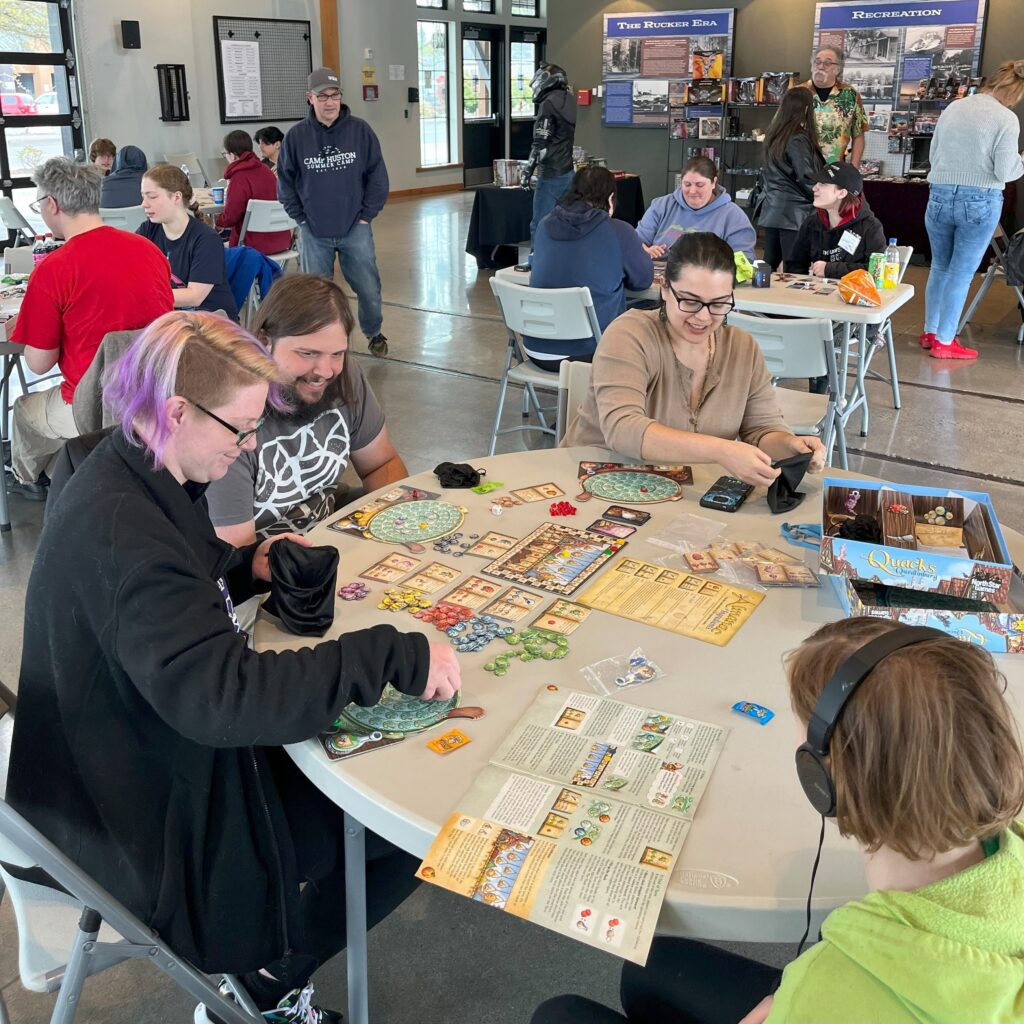
When people hear “gaming events,” they often imagine large esports tournaments with big prize pools and professional players. But the reality is changing. A new format is growing rapidly and quietly shaping competitive culture — community-centered gaming events.
These events are not built around fame or massive rewards. They are built around participation, consistency, and shared experience. From organized gaming nights to structured multiplayer sessions, community-centered gaming events are becoming the foundation of long-term competitive growth.
This blog explores how community-centered gaming events work, why they matter more than ever, and how they are redefining competitive play beyond traditional tournaments.
What Are Community-Centered Gaming Events?
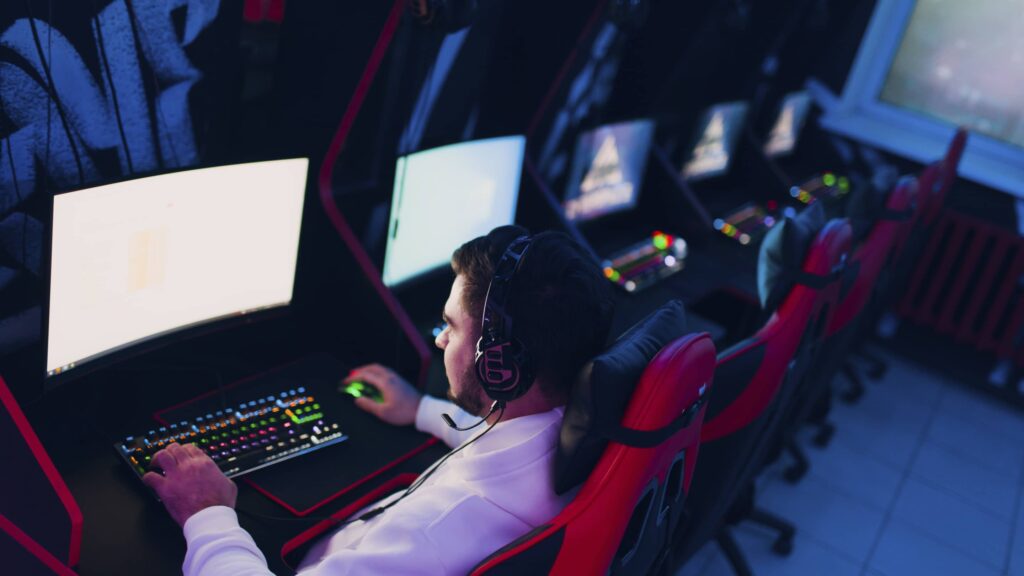
Community-centered gaming events are structured play sessions designed primarily for engagement and consistency, not just winning.
They usually include:
- Scheduled gaming nights
- Fixed rules and formats
- Repeating participants
- Emphasis on fair play and learning
Unlike one-time tournaments, these events focus on building habits and relationships inside gaming communities.
Why Community-Centered Gaming Events Are Growing
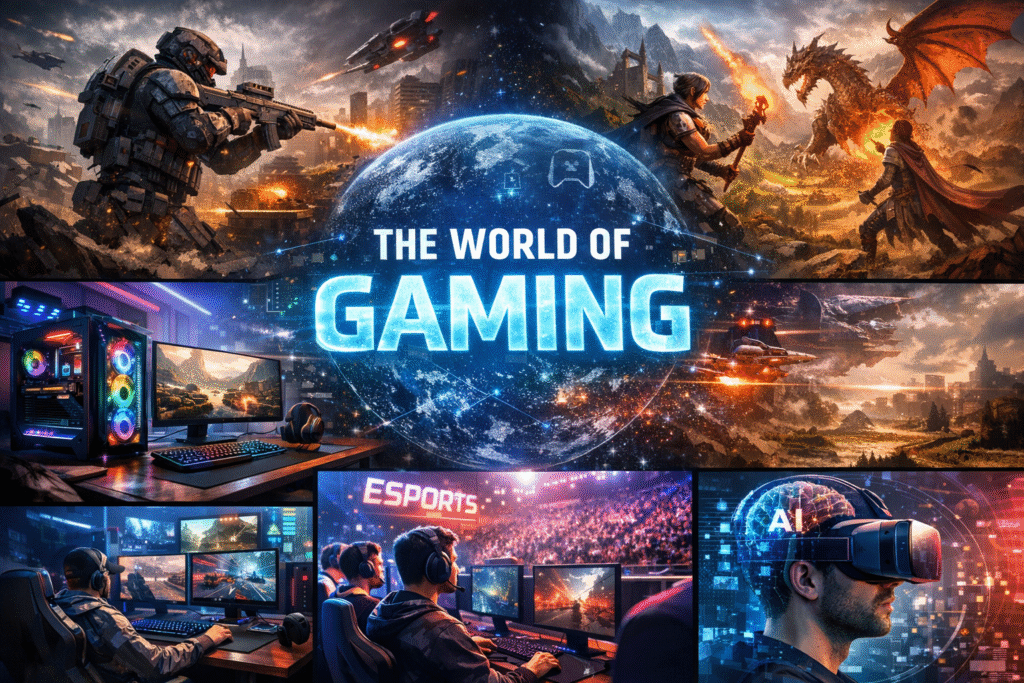
The modern gaming audience wants more than quick wins.
Key reasons these events are growing:
- Players want fair competition
- Communities want stability
- Beginners want safe entry points
Community-centered gaming events provide all three. They reduce intimidation and replace pressure with progression.
Community-Centered Gaming Events vs Traditional Tournaments
| Aspect | Traditional Tournaments | Community-Centered Gaming Events |
|---|---|---|
| Frequency | Occasional | Regular |
| Pressure | High | Moderate |
| Accessibility | Limited | High |
| Focus | Winning | Improvement & engagement |
Both formats matter, but community-centered gaming events are better suited for long-term participation.
Organized Gaming Nights and Competitive Discipline
Organized gaming nights are the backbone of community-centered gaming events.
They create:
- Routine
- Accountability
- Competitive rhythm
When players know they will compete regularly, they practice with purpose. This routine builds discipline without burnout.
Community-Centered Gaming Events and Skill Development
Skill improves fastest through repetition against familiar opponents.
In community-centered gaming events:
- Players face similar skill levels
- Weaknesses reappear consistently
- Adaptation becomes necessary
This environment accelerates learning far more than random matchmaking.
Multiplayer Gaming Events and Social Stability
Multiplayer gaming events strengthen social bonds.
Repeated interaction creates:
- Mutual respect
- Rivalries
- Shared history
These social elements keep players engaged even when results are mixed.
Competitive Community Play and Player Retention
Player retention is a major challenge in gaming.
Community-centered gaming events improve retention because:
- Players feel noticed
- Progress feels visible
- Competition feels fair
Retention matters more than hype for sustainable growth.
The Role of Hosts in Community-Centered Gaming Events
Hosts are critical.
Good hosts:
- Enforce rules calmly
- Resolve disputes fairly
- Maintain event flow
Strong hosting builds trust and keeps communities healthy.
Local Gaming Events and Grassroots Growth
Local gaming events often operate at small scales but have huge impact.
They:
- Discover talent
- Build local rivalries
- Strengthen offline connections
Grassroots gaming scenes often start with consistent local events.
Community-Centered Gaming Events and Mental Comfort
High-pressure tournaments can be mentally exhausting.
Community-centered gaming events offer:
- Lower anxiety
- Safer experimentation
- Better emotional balance
Players learn to compete without fear of instant elimination.
Learning Through Familiar Competition
Facing the same opponents repeatedly:
- Sharpens strategy
- Encourages adaptation
- Builds respect
This familiarity improves competitive maturity.
Competitive Community Play and Fairness
Fairness is central.
Community-centered gaming events emphasize:
- Balanced teams
- Clear rules
- Transparent decisions
Fair play builds long-term trust.
Community-Centered Gaming Events and Role Discovery
Players often discover their best roles in these events.
Because pressure is moderate:
- Experimentation feels safe
- Feedback is honest
- Roles stabilize naturally
Role clarity improves team performance.
Structured Formats and Predictability
Predictable formats reduce stress.
Players know:
- When they play
- How they qualify
- What rules apply
Predictability improves focus and preparation.
Community-Centered Gaming Events and Communication Growth
Frequent interaction improves communication skills.
Players learn:
- Clear callouts
- Respectful feedback
- Conflict resolution
These skills transfer into higher competitive levels.
The Impact of Consistency Over Prizes
Large prizes attract attention. Consistency builds skill.
Community-centered gaming events prove that:
- Small rewards + regular play > big prizes + rare events
Consistency creates real competitive progress.
Community-Centered Gaming Events and Content Creation
These events are great for content.
Creators benefit because:
- Stories develop naturally
- Rivalries repeat
- Growth is visible
Content feels authentic, not forced.
Managing Conflict in Community Events
Conflict is unavoidable.
Healthy communities:
- Address issues early
- Apply rules evenly
- Encourage respectful discussion
Strong conflict handling protects event integrity.
Community-Centered Gaming Events and Inclusivity
Inclusivity strengthens communities.
These events often:
- Welcome beginners
- Support diverse players
- Reduce intimidation
More participation leads to better competition.
Why Casual Players Thrive Here
Casual players often quit competitive scenes due to pressure.
Community-centered gaming events:
- Offer fair matchmaking
- Provide learning space
- Reduce fear of failure
Casual players stay longer and improve steadily.
Technology Supporting Community Events
Technology enables scalability.
Useful tools include:
- Scheduling bots
- Match tracking sheets
- Communication platforms
Technology supports structure without complexity.
Measuring Success in Community-Centered Gaming Events
Success is not just wins.
Better indicators:
- Participation consistency
- Player improvement
- Community growth
These metrics signal ecosystem health.
The Long-Term Value of Community Gaming Events
Community-centered gaming events build:
- Competitive maturity
- Social trust
- Sustainable growth
They are slow, steady, and powerful.
Common Mistakes Organizers Make
Mistakes include:
- Overcomplicating rules
- Ignoring feedback
- Inconsistent scheduling
Simplicity and consistency work best.
The Future of Community-Centered Gaming Events
The future points toward:
- Hybrid online-local formats
- Skill-based grouping
- Community-driven leadership
These events will shape the next generation of competitive players.
Final Thoughts: Why Community-Centered Gaming Events Matter
Community-centered gaming events are not replacements for tournaments — they are foundations.
They teach players how to compete, communicate, and grow without burnout. They build habits, relationships, and resilience.
For anyone serious about competitive gaming, participating in or organizing community-centered gaming events is one of the smartest long-term moves available.
Growth may feel slow, but in community-driven systems, growth is real — and real growth always lasts 😅
Community-Centered Gaming Events and Competitive Culture
Competitive culture does not appear overnight. It develops slowly through repeated interactions, shared rules, and mutual respect. Community-centered gaming events are one of the strongest environments for building this culture because they bring the same players together regularly.
When players meet consistently:
- Trash talk reduces
- Respect increases
- Rivalries become healthy
Instead of anonymous competition, players begin to recognize patterns, strengths, and playstyles. This familiarity creates a competitive culture that values improvement over ego.
How Community Events Shape Player Mindset
Mindset separates casual participation from serious growth.
In community-centered gaming events, players naturally shift their mindset from:
- “I must win this one match”
to - “I want to improve across many sessions”
This shift reduces fear of failure. Losses become lessons instead of emotional setbacks. Over time, players become calmer, more analytical, and more resilient under pressure.
Repetition and Learning Speed
Learning happens fastest through repetition.
Community-centered gaming events offer:
- Repeated matchups
- Similar rulesets
- Consistent formats
This repetition allows players to:
- Identify recurring mistakes
- Test adjustments
- Measure improvement accurately
Random matchmaking rarely provides this clarity.
Community-Centered Gaming Events and Match Quality
Match quality is often higher in community events than in open tournaments.
Why?
- Players care about reputation
- Rules are enforced consistently
- Toxic behavior is discouraged
Higher match quality leads to better learning experiences and more enjoyable competition.
Building Accountability Through Community Play
Accountability is hard to enforce in anonymous environments.
In community-centered gaming events:
- Players are recognized
- Behavior is remembered
- Actions have consequences
This accountability improves punctuality, sportsmanship, and commitment. Players show up prepared because they know their presence matters.
Organized Gaming Nights and Habit Formation
Organized gaming nights turn competition into habit.
Habits include:
- Practicing before events
- Reviewing mistakes afterward
- Communicating respectfully
Once habits form, improvement accelerates naturally.
Community Events and Strategic Evolution
Facing familiar opponents forces strategy evolution.
Players cannot rely on the same tactics repeatedly because opponents adapt. This pushes:
- Deeper strategy
- Creative problem-solving
- Better teamwork
Community-centered gaming events naturally raise the strategic level of play over time.
Multiplayer Gaming Events and Team Chemistry
Team chemistry improves through familiarity.
Regular community events allow teams to:
- Understand each other’s tendencies
- Build trust
- Improve coordination
Strong chemistry often outperforms raw mechanical skill.
Competitive Community Play and Emotional Control
Emotional control is a competitive skill.
Community-centered gaming events help develop it because:
- Stakes are meaningful but not overwhelming
- Mistakes are recoverable
- Support systems exist
Players learn to stay composed even after losses.
The Role of Moderation in Community Events
Moderation protects competitive integrity.
Effective moderation ensures:
- Rules are followed
- Conflicts are resolved quickly
- Toxic behavior is addressed
Good moderation keeps events welcoming without becoming restrictive.
Community-Centered Gaming Events and Inclusivity
Inclusivity is easier to maintain in smaller, consistent groups.
Community events:
- Welcome beginners
- Support diverse skill levels
- Reduce intimidation
Inclusive environments grow faster and retain players longer.
Local Gaming Events as Talent Incubators
Local gaming events act as talent incubators.
They:
- Identify promising players
- Provide early competitive exposure
- Build confidence
Many strong competitors start in small local communities before moving to larger stages.
Community Events and Leadership Development
Leadership skills develop naturally in community events.
Players learn to:
- Organize teams
- Communicate clearly
- Resolve conflicts
These leadership skills are valuable both inside and outside gaming.
Consistency vs Scale in Gaming Events
Big events attract attention. Small consistent events build skill.
Community-centered gaming events prioritize:
- Frequency over size
- Quality over quantity
This approach creates sustainable competitive ecosystems.
Community Gaming Events and Trust Building
Trust is essential for competition.
Trust grows when:
- Rules are transparent
- Decisions are fair
- Feedback is heard
Community events thrive on trust because players return repeatedly.
The Psychological Safety of Community Play
Psychological safety allows experimentation.
Players feel safe to:
- Try new roles
- Test strategies
- Make mistakes
This freedom accelerates learning and creativity.
Community Events and Competitive Identity
Over time, players develop identities:
- Aggressive entry
- Strategic leader
- Reliable support
Community-centered gaming events help players discover and refine these identities naturally.
Technology Supporting Community Gaming Events
Technology simplifies organization.
Useful tools include:
- Scheduling platforms
- Match tracking systems
- Communication servers
Technology enables consistency without complexity.
Community-Centered Gaming Events and Viewer Engagement
These events often attract loyal viewers.
Why?
- Familiar faces
- Ongoing rivalries
- Story continuity
Viewers enjoy following narratives over time.
Content Creation Around Community Events
Community events are content-friendly.
Creators can:
- Document progress
- Highlight rivalries
- Share learning moments
Content feels authentic because stories evolve naturally.
Managing Burnout Through Community Play
Burnout is less common in community-centered gaming events.
Reasons include:
- Moderate pressure
- Social support
- Flexible goals
Players stay engaged longer without feeling overwhelmed.
Community Events and Competitive Discipline
Discipline emerges organically.
Players learn to:
- Arrive on time
- Respect schedules
- Prepare properly
Discipline improves match quality and community reputation.
Measuring Progress in Community Gaming Events
Progress is easier to track.
Indicators include:
- Improved decision-making
- Better teamwork
- Reduced repeated mistakes
Wins matter less than visible growth.
Community-Centered Gaming Events and Fair Play
Fair play is reinforced socially.
Unfair behavior is discouraged because:
- It affects reputation
- It harms relationships
- It threatens event stability
Social accountability supports integrity.
The Economics of Community Gaming Events
Community events are cost-effective.
They require:
- Minimal prizes
- Basic tools
- Volunteer support
Low costs make them sustainable long-term.
Scaling Community Gaming Events Carefully
Growth should be gradual.
Rapid scaling risks:
- Losing intimacy
- Weak moderation
- Reduced quality
Successful organizers scale carefully to preserve culture.
Community Events and Cross-Skill Interaction
Mixed-skill events benefit everyone.
Advanced players:
- Mentor others
- Sharpen fundamentals
New players:
- Learn faster
- Feel supported
This interaction strengthens the ecosystem.
Community-Centered Gaming Events and Conflict Learning
Conflict teaches valuable lessons.
Handled well, conflict:
- Improves communication
- Strengthens rules
- Builds maturity
Community events provide safe spaces to learn conflict resolution.
Community Events and Competitive Longevity
Longevity comes from balance.
Community-centered gaming events offer:
- Sustainable schedules
- Emotional support
- Continuous learning
Players stay involved for years, not weeks.
Regional Identity Through Community Gaming
Communities often develop regional identity.
Local events:
- Build pride
- Encourage representation
- Strengthen bonds
Regional scenes grow stronger over time.
Community Gaming Events and Motivation Cycles
Motivation fluctuates.
Community events stabilize motivation by:
- Creating routine
- Offering social rewards
- Providing clear goals
Consistency replaces bursts of motivation.
Challenges Faced by Community Gaming Events
Common challenges include:
- Organizer fatigue
- Scheduling conflicts
- Skill imbalance
Addressing these openly maintains trust.
Best Practices for Organizers
Successful organizers:
- Keep rules simple
- Communicate clearly
- Listen to feedback
Good organization sustains participation.
Community Events and Competitive Maturity
Competitive maturity develops slowly.
Community-centered gaming events nurture maturity by:
- Encouraging reflection
- Rewarding improvement
- Reducing ego-driven behavior
Mature players elevate the entire scene.
The Role of Mentorship in Community Events
Mentorship happens naturally.
Experienced players guide newcomers through:
- Strategy advice
- Mental preparation
- Event expectations
Mentorship strengthens communities.
Community-Centered Gaming Events and Adaptability
Adaptability is essential.
Community events allow:
- Format experimentation
- Rule adjustments
- Schedule flexibility
Adaptable communities survive changes.
The Long-Term Impact on Competitive Ecosystems
Community-centered gaming events shape ecosystems.
They:
- Produce skilled players
- Build strong cultures
- Support sustainable growth
Large tournaments depend on these foundations.
Final Extended Conclusion: Community Is the Real Advantage
Community-centered gaming events are not just about playing games — they are about building people.
They teach patience, discipline, communication, and resilience. They transform competition from a stressful challenge into a shared journey of growth.
In the long run, the strongest competitive scenes are not built by massive prize pools, but by consistent communities that value improvement and respect.
If esports is the destination, community-centered gaming events are the road that actually gets players there.
Growth may be slow, progress may be quiet, but in community-driven systems, success is real — and real success always lasts 😅
The Quiet Influence of Community-Centered Gaming Events
One of the most powerful aspects of community-centered gaming events is how quietly they influence players over time. Unlike high-pressure tournaments that force rapid change, these events allow growth to happen naturally. Players improve without constantly feeling judged, which makes learning more sustainable.
As weeks go by, small changes become visible. Communication becomes clearer. Decision-making becomes faster. Players start recognizing patterns in their own gameplay and in their opponents’ strategies. This awareness is difficult to achieve in random or one-time competitive environments.
Community-centered gaming events also create emotional balance. Because the same players return regularly, losses don’t feel final and wins don’t feel overwhelming. Competition becomes a process rather than a moment. This balance helps players stay motivated even when progress is slow.
Another subtle benefit is how these events reshape attitudes toward improvement. Players stop blaming external factors and begin focusing on controllable elements like positioning, teamwork, and preparation. Constructive feedback becomes normal, and defensive reactions slowly fade.
Over time, community events also raise expectations. Players begin to show up prepared, respect schedules, and communicate professionally—not because they are forced to, but because it feels natural within the group. This professionalism often carries into other competitive spaces.
In the long run, the real success of community-centered gaming events is not measured by trophies or rankings. It is measured by how many players stay involved, how much they improve, and how strong the community becomes. These events prove that meaningful competition does not need massive scale. It needs consistency, fairness, and people who are willing to grow together.
In the long run, the real success of community-centered gaming events is not measured by trophies or rankings. It is measured by how many players stay involved, how much they improve, and how strong the community becomes. These events prove that meaningful competition does not need massive scale. It needs consistency, fairness, and people who are willing to grow together.