
Introduction: Gaming Content Is Easy to Start, Hard to Sustain
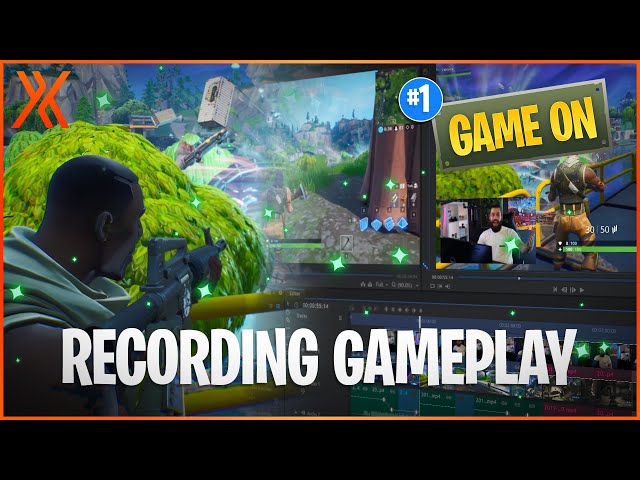
Gaming content creation looks simple from the outside. You play a game, record it, upload a video, and wait for views. That illusion has made millions of people try gaming content, but only a small percentage stay consistent long enough to grow.
The truth is that gaming content creation is not about games alone. It is about storytelling, consistency, audience understanding, and long-term patience. Many creators quit not because they lack talent, but because they misunderstand how gaming content actually grows.
This blog breaks down the real side of gaming content creation—what works, what fails, and how creators slowly build visibility without burning out or chasing shortcuts.
What Is Gaming Content Creation?

Gaming content creation refers to producing digital content centered around video games. This includes videos, streams, posts, clips, guides, and commentary related to gameplay experiences.
Common Types of Gaming Content
- Gameplay videos
- Live streams
- Short-form clips
- Tutorials and guides
- Reviews and opinions
- Esports and tournament coverage
Gaming content is not limited to entertainment. It also includes education, storytelling, and community engagement.
Why Gaming Content Is More Competitive Than Ever
The gaming industry has exploded. Millions of creators upload gaming videos daily across platforms. This makes visibility harder but not impossible.
Reasons Competition Feels High
- Low entry barrier
- Cheap recording tools
- Easy access to games
- Algorithm-driven platforms
However, competition does not mean saturation. It means quality, clarity, and consistency matter more than ever.
The Biggest Myth About Gaming Content
The biggest myth is:
“If my gameplay is good, my content will grow.”
Good gameplay helps, but it is not enough.
Audiences do not watch raw gameplay unless:
- The creator is already famous
- The content offers learning or entertainment
- There is personality involved
Gaming content succeeds when viewers feel a reason to stay.
Understanding Why People Watch Gaming Content
People consume gaming content for specific reasons.
Main Viewer Motivations
- Learning something new
- Entertainment and humor
- Relaxation
- Community feeling
- Inspiration
Successful gaming creators align their content with at least one of these motivations consistently.
Gaming Content Creation and Personal Identity
One of the most underrated factors in gaming content is identity.
Identity answers:
- Why should someone watch you?
- What makes your perspective different?
This does not require extreme personality. Even calm, analytical creators build strong audiences because they offer clarity and trust.
Trying to copy another creator’s style usually leads to inconsistency and burnout.
Content Consistency vs Content Perfection
Perfection kills growth.
Many creators delay uploads because:
- Editing isn’t perfect
- Voice didn’t sound right
- Gameplay had mistakes
Consistency beats perfection every time in gaming content creation.
Uploading regularly teaches:
- Algorithms to trust you
- Audiences to expect you
- You to improve naturally
Early content is supposed to be imperfect.
Gaming Content Strategy: Why Random Uploads Fail
Random uploads feel productive but rarely work.
A gaming content strategy answers:
- What type of content am I making?
- Who is it for?
- Why will they return?
Without strategy, creators jump between games, formats, and tones, confusing both algorithms and viewers.
Choosing the Right Game for Gaming Content
Game choice matters more than people admit.
Factors to Consider
- Existing audience demand
- Competition level
- Your genuine interest
- Content potential
Playing only trending games can burn you out. Playing only niche games can limit reach. Balance is key.
Evergreen Gaming Content vs Trend-Based Content
There are two major content categories.
Evergreen Content
- Tutorials
- Guides
- Tips
- Explainers
Evergreen gaming content grows slowly but lasts long.
Trend-Based Content
- Updates
- New releases
- Memes
- Reactions
Trend content spikes fast but fades quickly.
Smart creators mix both.
Gaming Videos and Storytelling
Storytelling is what turns gameplay into content.
Even a simple match can become engaging if it has:
- A clear beginning
- Rising tension
- A payoff or lesson
Viewers remember stories, not scores.
Commentary: The Soul of Gaming Content
Silence kills retention unless gameplay is exceptional.
Commentary does not mean shouting. It means:
- Explaining thoughts
- Reacting honestly
- Guiding the viewer
Natural commentary builds connection faster than polished edits.
Editing in Gaming Content: Less Is Often More
Over-editing can hurt gaming content.
Excessive:
- Zooms
- Effects
- Sound spam
can distract from the experience.
Clean cuts, clear audio, and focused pacing usually perform better.
Gaming Content Creation and Audio Quality
Viewers tolerate average video quality, but poor audio drives them away instantly.
Clear voice audio builds trust and professionalism. This matters more than camera quality in early stages.
Streaming vs Recorded Gaming Content
Both formats serve different purposes.
Streaming
- Builds real-time connection
- Requires energy and schedule
- Slower discoverability
Recorded Content
- Easier to control quality
- Better for search-based growth
- Evergreen potential
Many creators grow through videos first, then add streaming later.
Short-Form Gaming Content and Discoverability
Short clips are powerful entry points.
They:
- Capture attention quickly
- Introduce your style
- Drive traffic to long content
Short-form gaming content works best when it highlights:
- Funny moments
- Smart plays
- Emotional reactions
Gaming Content Creation and Burnout
Burnout is common because creators:
- Upload too frequently
- Chase every trend
- Compare constantly
Sustainable gaming content creation requires:
- Realistic schedules
- Breaks without guilt
- Long-term mindset
Burnout ends more channels than lack of talent.
The Role of Community in Gaming Content
A loyal audience matters more than a large one.
Community grows when creators:
- Reply to comments
- Ask questions
- Show appreciation
Gaming content becomes meaningful when viewers feel noticed.
Gaming Content and Algorithm Reality
Algorithms reward:
- Consistency
- Watch time
- Engagement
They do not reward effort alone.
Creators who understand this stop blaming platforms and start improving structure.
Titles and Thumbnails in Gaming Content
People judge content before clicking.
Effective titles:
- Create curiosity
- Set expectations
- Avoid misleading
Thumbnails should be clear, not cluttered. One strong visual beats ten confusing ones.
Gaming Content Analytics: What to Track
Data helps growth when used correctly.
Useful Metrics
- Watch time
- Audience retention
- Click-through rate
Views alone do not show quality.
Learning From Failed Gaming Content
Failed videos are feedback, not failure.
Every low-performing video teaches:
- What viewers ignored
- Where attention dropped
- What can improve
Successful creators learn faster, not avoid mistakes.
Monetization and Gaming Content Reality
Money comes late.
Early gaming content creation should focus on:
- Skill development
- Audience trust
- Consistency
Monetization follows value, not uploads.
Gaming Content Careers Beyond YouTube
Not everyone becomes a big streamer.
Gaming content skills apply to:
- Esports media
- Game journalism
- Social media roles
- Community management
Content creation builds transferable skills.
The Importance of Patience in Gaming Content
Most creators quit just before improvement.
Growth often looks like:
- Months of silence
- Sudden small spike
- Slow upward trend
Patience separates serious creators from casual attempts.
Gaming Content Creation as a Long Game
Gaming content creation is not a sprint.
It rewards:
- Consistency
- Self-awareness
- Adaptability
Creators who last long enough almost always improve.
Final Thoughts: Why Gaming Content Is Worth the Effort
Gaming content creation is not easy, but it is meaningful.
It teaches:
- Communication
- Creativity
- Discipline
- Confidence
Even if growth is slow, skills gained remain valuable.
If you enjoy games, enjoy learning, and are willing to stay consistent without instant rewards, gaming content creation can become one of the most fulfilling creative journeys available today.
Progress may feel invisible at times, but every upload builds something—skill, clarity, or resilience. And that always counts 😅
Building a Sustainable Gaming Content Routine
One of the biggest mistakes new creators make in gaming content creation is copying unrealistic routines. Uploading daily, streaming for six hours, editing overnight—this looks impressive but is rarely sustainable.
A sustainable routine is one you can maintain even on bad days.
What a Sustainable Routine Looks Like
- Fixed upload days (not random)
- Limited daily work hours
- Clear separation between gaming and content
- Built-in rest days
Gaming content creation is a marathon. Burning out early wastes potential more than slow growth ever will.
Gaming Content Creation and Discipline
Motivation is temporary. Discipline builds channels.
Most creators wait to “feel motivated” before recording. Serious creators treat content like a commitment, not a mood.
Discipline means:
- Recording even when views are low
- Uploading even when growth feels slow
- Improving even when nobody notices
Discipline is boring—but it’s the reason some creators last while others disappear.
Developing a Content Brain (Thinking Like a Creator)
At some point, gaming content creation stops being about recording gameplay and starts being about thinking in content.
A content brain:
- Notices moments while playing
- Thinks in hooks and angles
- Sees stories instead of matches
Instead of asking “What should I upload?”, creators start asking “What will people enjoy or learn from this?”
This shift changes everything.
Gaming Content and Learning Curves
Every creator hits plateaus.
Common Plateaus
- Views stuck at the same number
- No subscriber growth
- Low engagement
Plateaus are not failure. They are signals that:
- Format needs tweaking
- Storytelling needs work
- Audience expectations changed
Growth resumes when creators adapt, not when they panic.
Why Many Gaming Channels Die Early
Most gaming channels don’t fail—they are abandoned.
Common reasons:
- Unrealistic expectations
- Comparison with big creators
- Chasing virality instead of improvement
Channels rarely die because content is bad. They die because creators stop uploading before learning what works.
Gaming Content Creation and Self-Doubt
Self-doubt is part of the process.
Thoughts like:
- “My voice sounds weird”
- “My gameplay isn’t special”
- “Why would anyone watch this?”
Every successful gaming creator had these thoughts. The difference is they uploaded anyway.
Confidence comes after action, not before it.
Improving Without Expensive Gear
Good gear helps, but it’s not the foundation.
What matters more:
- Clear communication
- Structured videos
- Watchable pacing
Many creators grow with basic setups because they understand content better than hardware.
Gear upgrades amplify clarity; they don’t create it.
Gaming Content and Audience Trust
Audience trust is built slowly.
Trust grows when creators:
- Deliver what titles promise
- Stay consistent in tone
- Don’t overfake reactions
Once trust forms, viewers return even when videos are not perfect.
Trust > Clickbait.
Handling Low Engagement the Right Way
Low engagement hurts—but reacting emotionally hurts more.
Wrong reactions:
- Deleting videos
- Changing niche weekly
- Blaming algorithms
Right reactions:
- Studying retention graphs
- Improving intros
- Making content clearer
Gaming content creation rewards curiosity, not frustration.
Gaming Content Creation and Patience Loops
Most creators quit during patience loops—periods where effort doesn’t show results.
These loops are unavoidable.
What matters is:
- Uploading through them
- Improving silently
- Letting algorithms catch up
Growth often happens after patience is tested.
Building a Recognizable Style
Style doesn’t mean loud or flashy.
Style can be:
- Calm explanations
- Honest reactions
- Strategic breakdowns
A recognizable style makes viewers feel familiar with you, even in new videos.
Familiarity increases retention.
Gaming Content Creation and Feedback Filtering
Feedback is everywhere—and most of it is useless.
Creators must learn to filter:
- Ignore trolls
- Listen to constructive criticism
- Trust analytics over opinions
Not all feedback deserves action. Smart creators choose carefully.
The Role of Curiosity in Long-Term Growth
Curiosity keeps creators alive.
Curious creators ask:
- “Why did this video perform better?”
- “What made viewers leave early?”
- “How can this be clearer?”
Creators who stop being curious stop growing.
Gaming Content Creation and Experimentation
Experimentation is necessary—but controlled.
Healthy experimentation:
- Testing new formats slowly
- Changing one thing at a time
- Tracking results
Uncontrolled experimentation confuses both creators and audiences.
The Difference Between Hobby and Craft
Gaming content as a hobby:
- Upload when free
- No clear direction
Gaming content as a craft:
- Structured improvement
- Intentional learning
- Long-term vision
Craft grows. Hobby fades.
Gaming Content and Identity Burnout
Some creators burn out by playing a persona.
Forcing:
- Fake hype
- Overacting
- Constant energy
leads to exhaustion.
Sustainable gaming content aligns with real personality.
Being yourself scales better.
Gaming Content Creation and Platform Shifts
Platforms change. Algorithms evolve.
Creators who survive focus on:
- Skills, not hacks
- Audience value, not trends
Skills transfer across platforms. Hacks expire.
Long-Term Vision in Gaming Content
Short-term goals demotivate.
Better long-term goals:
- Improve storytelling
- Build small loyal audience
- Become clearer on camera
Vision keeps creators grounded when numbers fluctuate.
Gaming Content Creation and Mental Health
Mental health matters more than metrics.
Creators should:
- Take breaks without guilt
- Avoid constant comparison
- Detach self-worth from views
Healthy creators create longer.
Measuring Progress Beyond Views
Progress shows in:
- Better retention
- Clearer delivery
- Faster editing
Views lag behind skill.
Skill growth always comes first.
Gaming Content Creation and Adaptability
Games die. Trends fade.
Creators who adapt:
- Switch games smoothly
- Transfer audience trust
- Rebrand intelligently
Adaptability keeps careers alive.
The Quiet Phase Before Growth
Almost every channel has a quiet phase.
This phase:
- Tests commitment
- Builds unseen skills
- Filters serious creators
Growth often starts after this phase, not during it.
Final Extended Reflection
Gaming content creation is not luck-based. It is skill-based patience.
Creators who:
- Upload consistently
- Learn intentionally
- Stay emotionally balanced
inevitably improve—even if growth feels invisible for a long time.
The journey is slow, humbling, and often lonely. But it builds real skills, real confidence, and real creative identity.
If you stay long enough, something always clicks—not suddenly, but steadily. And once it does, progress becomes hard to stop 😅
Closing Insights for Gaming Content Creators
Sustainable gaming content creation is built on small decisions repeated daily. Creators who last do not rely on bursts of motivation or viral luck. They design simple systems that support steady output, learning, and recovery. This systems mindset reduces emotional swings and keeps progress measurable.
One important habit is separating creation from performance. Uploading is an action you control; views are not. When creators judge themselves only by numbers, they lose clarity. When they judge themselves by execution quality, improvement becomes visible. This shift protects confidence during slow phases.
Another overlooked skill is pacing growth. Many creators rush upgrades, formats, or niches too quickly. Slow, intentional changes work better. Improve one element at a time: clearer intros, tighter edits, stronger hooks, or calmer delivery. Compounding small upgrades produces durable results.
Rest is not weakness in gaming content creation. Creative fatigue reduces judgment and originality. Planned breaks preserve enthusiasm and prevent resentment toward games you once enjoyed. Sustainable creators protect their curiosity deliberately.
Finally, remember that gaming content creation is a skill stack. Communication, storytelling, editing, analysis, and discipline improve together over time. Even if a channel never becomes massive, these skills remain valuable across media, marketing, esports, and creative careers.
Progress may feel invisible today, but consistency always leaves evidence. If you keep publishing, reflecting, and adjusting calmly, your content will become clearer, your audience more defined, and your confidence stronger. That quiet momentum is the real win.
Treat your channel like a workshop, not a lottery ticket. Show up with intention, document lessons, and keep experiments small. Measure outcomes weekly, not hourly, and avoid emotional decisions. When a video underperforms, extract one lesson and move forward. When a video performs well, identify the reason and replicate thoughtfully. Protect your voice, posture, and schedule, because health supports creativity.
Keep a simple backlog of ideas so recording never stalls. Revisit older topics with better clarity as your skills mature. Share progress openly; authenticity compounds trust. Most importantly, enjoy the process of becoming clearer. Clarity attracts the right audience, reduces anxiety, and creates momentum that survives platform changes. With time, your archive becomes proof of growth, and growth becomes confidence. Stay curious,
test patiently, and let improvement lead results. Platforms reward reliability over noise. Build habits you can keep, celebrate small wins, and forgive slow days. Consistency compounds quietly, and quiet compounding wins. Commit to learning cycles, respect your energy, and keep publishing with honesty; momentum will follow when patience meets practice, and practice meets purpose. Progress favors creators who persist calmly through uncertainty and changing expectations.