
ond Specs:
Introduction: Gaming Devices Are More Than Just Hardware
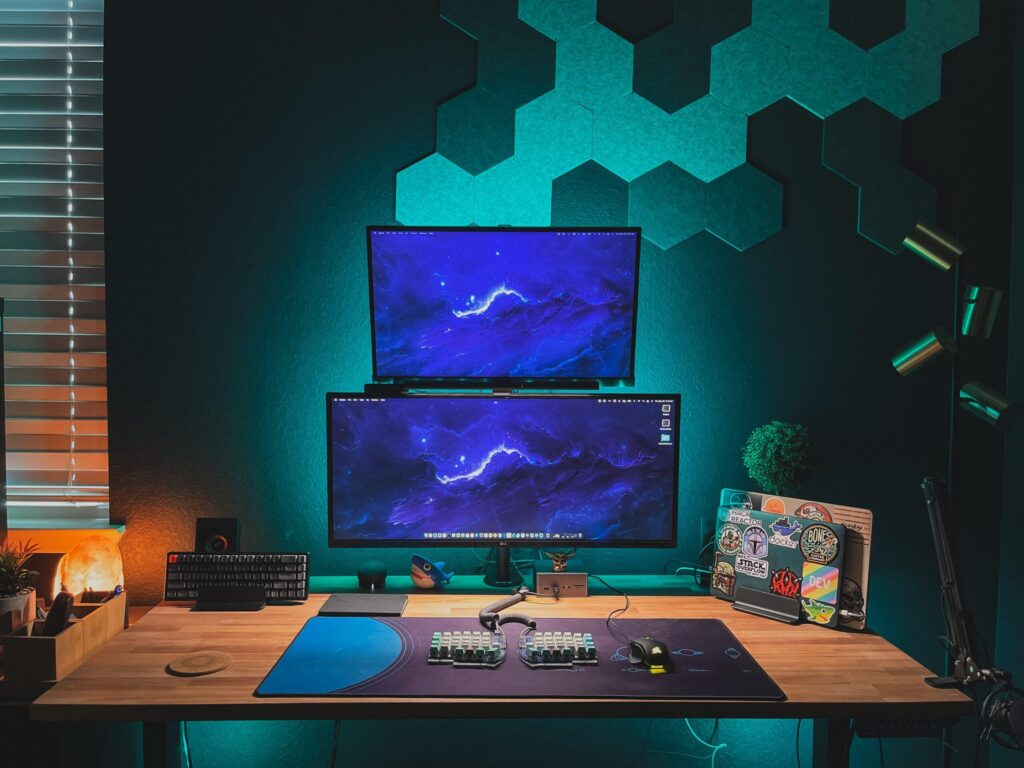
When people talk about gaming devices, the competitive conversation usually revolves around specs—DPI, refresh rates, switches, sensors, and numbers that sound impressive but often confuse beginners. In reality, gaming devices are not about specs alone. They are tools that directly affect comfort, consistency, confidence, and performance, especially in competitive gaming.
For players involved in online competitions, esports events, or regular gaming tournaments, the right gaming devices can reduce mistakes, improve reaction time, and make long practice sessions sustainable. On the other hand, poor device choices can cause frustration, fatigue, and inconsistent performance.
This blog goes beyond specs and explains how gaming devices actually impact competitive performance, particularly for amateur and semi-competitive players.
What Are Gaming Devices in Competitive Gaming?
Gaming devices include all hardware tools that directly interact with the player during gameplay. These are not luxury items—they are functional equipment.
Core Gaming Devices
- Gaming mouse
- Gaming keyboard
- Gaming headset
- Display (monitor or laptop screen)
- Controller or mobile accessories
Each device affects gameplay in a different way, and ignoring even one can limit overall performance.
Why Gaming Devices Matter in Competitive Environments
Casual gaming is forgiving. Competitive gaming is not.
In ranked matches or online tournaments:
- Missed clicks matter
- Audio delays matter
- Input lag matters
- Comfort matters
Gaming devices reduce technical friction, allowing players to focus on decision-making instead of fighting their setup.
Gaming Mouse: Accuracy, Control, and Confidence
Why the Mouse Is the Most Personal Gaming Device
No two players hold a mouse the same way. Grip style, hand size, and sensitivity preferences vary widely. This is why copying a professional player’s mouse blindly rarely works.
What Actually Improves Performance
- Stable sensor tracking
- Comfortable grip
- Predictable movement
- Consistent click response
A gaming mouse that feels natural builds confidence. Confidence improves aim far more than raw DPI numbers.
Common Mistake
Chasing ultra-high DPI or flashy RGB instead of focusing on comfort and control.
Gaming Keyboard: Consistency Over Speed
Keyboards Don’t Win Games—Consistency Does
In competitive gaming, keyboards handle:
- Movement
- Ability usage
- Tactical commands
Missed keystrokes or inconsistent key response disrupt muscle memory.
What to Prioritize
- Anti-ghosting support
- Comfortable key travel
- Reliable build quality
Mechanical keyboards are popular, but many players perform just as well with high-quality membrane keyboards.
Gaming Headsets: The Backbone of Team Communication
Why Audio Is a Competitive Advantage
In team-based games, sound is information. Footsteps, reloads, ability cues, and voice communication all affect decisions.
What Matters More Than Bass
- Clear mid and high frequencies
- Accurate directional sound
- Clean microphone output
Overly bass-heavy headsets often reduce clarity in competitive scenarios.
Communication Wins Matches
A clear call at the right time can win rounds even when aim fails.
Displays and Visual Clarity in Gaming Devices
Seeing Clearly Matters More Than High Refresh Rates (Initially)
While high refresh rates are beneficial, visual clarity and stability matter more for most players.
Important Display Factors
- Stable frame output
- Low response time
- Comfortable screen size
- Proper resolution settings
A consistent visual experience reduces eye strain and improves focus during long sessions.
Gaming Devices and Physical Comfort
Performance drops when discomfort increases.
Common Comfort Issues
- Wrist pain
- Finger fatigue
- Headset pressure
- Poor posture
Gaming devices designed with ergonomics in mind allow players to maintain performance over extended periods.
Comfort is not optional in competitive gaming—it is essential.
Gaming Devices and Reaction Time
Reaction time is not only biological—it is mechanical.
Devices Affect Reaction Time Through:
- Input latency
- Display response
- Button actuation
While gaming devices do not create skill, they remove delays that hide skill.
Even small improvements in responsiveness feel significant in fast-paced games.
The Psychological Impact of Gaming Devices
This aspect is rarely discussed but extremely real.
How Devices Affect Mindset
- Reliable devices build trust
- Unreliable devices create hesitation
- Hesitation leads to poor decisions
When players trust their gaming setup, they play more decisively and aggressively.
Gaming Devices in Online Competitions
Online competitions expose every weakness in a setup.
Why?
- No replays due to lag excuses
- No pause for device issues
- High pressure magnifies problems
Gaming devices used in competitive environments must be:
- Stable
- Tournament-safe
- Familiar
Switching devices right before competitions is a common beginner mistake.
Wired vs Wireless Gaming Devices
Wired Devices
Pros:
- Lower latency
- No battery anxiety
- Tournament-friendly
Cons:
- Cable management
Wireless Devices
Wireless technology has improved, but at entry and mid levels, wired gaming devices remain the safer choice for competitive play.
Gaming Devices and Rule Compliance
Many gaming tournaments restrict:
- Macros
- Custom scripts
- Modified firmware
Using standard gaming devices reduces the risk of disqualification and builds trust with organizers.
Gaming Devices and Team Consistency
In team-based esports, device consistency matters.
Why Team Balance Is Important
If one player suffers frequent technical issues, the entire team’s performance drops.
Balanced setups across a team:
- Reduce frustration
- Improve coordination
- Prevent blame culture
Strong teams support members with weaker setups instead of ignoring the issue.
Budget vs Performance: The Smart Approach
More expensive does not always mean better.
Smart Device Investment Strategy
- Headset (communication first)
- Mouse (precision)
- Keyboard (consistency)
- Display (comfort)
Upgrading gradually based on need prevents wasted money.
Gaming Devices and Long Practice Sessions
Competitive improvement requires practice.
Poor devices cause:
- Early fatigue
- Reduced focus
- Mental burnout
Good gaming devices extend productive practice time without increasing effort.
Mobile and Console Gaming Devices
Gaming devices are not limited to PC esports.
Mobile Gaming Devices
- Cooling fans
- Trigger accessories
- Wired audio
Console Gaming Devices
- Reliable controllers
- Stable displays
- Clear headsets
Competitive principles remain the same across platforms.
Maintenance: The Forgotten Performance Booster
Dirty or poorly maintained devices perform worse.
Simple Maintenance Habits
- Clean mouse sensor weekly
- Wipe keyboard keys
- Check cable wear
- Store headsets properly
Maintenance improves device lifespan and reliability.
When Gaming Devices Become a Limitation
You should upgrade only when:
- Skill outgrows device capability
- Device causes inconsistency
- Competitive level increases
Upgrading too early often masks skill issues instead of fixing them.
Gaming Devices and Career Longevity
Long-term gaming careers depend on:
- Comfort
- Health
- Consistency
Ignoring ergonomics and device quality can lead to injuries that end careers early.
Final Thoughts: Gaming Devices Should Support Skill, Not Replace It
Gaming devices do not make players great—but bad devices can stop players from becoming great.
The purpose of gaming devices is simple:
- Remove distractions
- Reduce technical errors
- Support consistent performance
When chosen wisely, s fade into the background, allowing players to focus on what truly matters—game sense, teamwork, and decision-making.
Skill grows with time. should make that growth smoother, not harder.
Gaming Devices and Muscle Memory Development
One of the most important but least discussed aspects of competitive gaming is muscle memory. Muscle memory is what allows players to react instantly without consciously thinking about every movement. Gaming devices play a huge role in how quickly and accurately muscle memory develops.
When players constantly switch gaming devices—changing mouse shapes, keyboard layouts, or sensitivity settings—the brain struggles to adapt. This slows down improvement and causes inconsistency during competitive matches.
How Stable Gaming Devices Help
- Consistent mouse shape builds aim reliability
- Fixed keyboard layout improves movement accuracy
- Familiar headset positioning improves audio awareness
Players who stick to the same gaming devices for long periods usually develop smoother mechanics and faster reactions than players who constantly experiment.
Gaming Devices and Precision Under Pressure
Pressure changes everything. In casual games, small mistakes don’t matter much. In competitive gaming, especially in online competitions and esports tournaments, small mistakes decide outcomes.
Gaming devices influence how players perform under pressure by:
- Reducing accidental misclicks
- Ensuring predictable input response
- Maintaining audio clarity during chaotic moments
When pressure increases, the brain relies more on habits. If gaming devices behave inconsistently, those habits break down. Reliable gaming devices protect performance when stress levels are high.
Input Consistency: The Hidden Advantage
Input consistency refers to how accurately and reliably a device translates physical actions into in-game actions.
Examples of Input Inconsistency
- Mouse sensors skipping or jittering
- Keyboard keys registering late
- Controllers drifting slightly
- Audio cutting out intermittently
These issues may seem minor but become critical in competitive gaming environments. Gaming devices designed for competitive play focus on input consistency, not just speed or aesthetics.
Gaming Devices and Focus Management
Focus is a limited resource. Competitive matches demand intense concentration, sometimes for hours.
Poor gaming devices drain focus by:
- Causing discomfort
- Creating technical distractions
- Triggering frustration
On the other hand, good gaming devices fade into the background. Players stop thinking about their equipment and focus entirely on strategy, positioning, and teamwork.
This invisible support is one of the biggest benefits of quality gaming devices.
The Relationship Between Gaming Devices and Decision-Making
Decision-making speed is often mistaken for reaction speed, but they are different skills.
How Gaming Devices Affect Decisions
- Faster, reliable input allows quicker execution
- Clear audio provides better information
- Stable visuals reduce cognitive load
When gaming devices work smoothly, players spend less mental energy processing technical issues and more energy making smart decisions. Over time, this improves overall game sense.
Gaming Devices and Role Specialization
In team-based esports, players often specialize in specific roles. Each role interacts with gaming devices differently.
Examples
- Entry players rely heavily on mouse precision
- Support players depend on audio clarity
- IGLs need reliable communication tools
Choosing gaming devices that suit a player’s role can significantly improve performance. A one-size-fits-all approach rarely works at higher competitive levels.
Gaming Devices and Communication Accuracy
Communication is not just about speaking—it’s about timing and clarity.
Gaming headsets and microphones directly influence:
- Callout accuracy
- Team reaction speed
- Conflict reduction
Delayed or distorted communication often leads to missed opportunities or confusion. Competitive gaming devices prioritize clean, low-latency audio, which is essential for coordinated play.
Gaming Devices and Match Preparation Routines
Serious players follow pre-match routines, and gaming devices are a central part of these rituals.
Common Device-Related Checks
- Mouse sensor test
- Keyboard responsiveness check
- Audio balance confirmation
- Display refresh stability
These routines reduce anxiety and create a sense of control before matches. Consistent routines lead to consistent performance.
Gaming Devices and Emotional Stability
Emotions heavily influence performance.
Unreliable gaming devices increase:
- Frustration
- Self-doubt
- Tilt
Reliable devices reduce emotional volatility. When players trust their setup, they are less likely to panic after mistakes and more likely to recover mentally during matches.
Gaming Devices in Long Tournament Sessions
Many gaming tournaments involve long sessions with minimal breaks.
Challenges During Long Sessions
- Physical fatigue
- Mental exhaustion
- Device overheating
Gaming devices designed for endurance—comfortable headsets, responsive keyboards, and stable mice—help players maintain performance deep into tournaments.
Gaming Devices and Physical Health
Ignoring physical health can shorten gaming careers.
Health Issues Linked to Poor Devices
- Wrist strain
- Neck pain
- Eye fatigue
- Hearing discomfort
Ergonomic gaming devices reduce strain and allow players to practice and compete safely over long periods. This is especially important for players aiming for long-term involvement in esports.
Gaming Devices and Fair Competitive Balance
Most gaming tournaments assume players use standard competitive gaming devices.
Using overly modified or unconventional devices can:
- Break tournament rules
- Create unfair advantages
- Damage reputation
Sticking to widely accepted gaming devices ensures fair competition and avoids unnecessary controversy.
Gaming Devices and Team Morale
Team morale is fragile, especially during losing streaks.
Technical issues caused by poor gaming devices often become scapegoats for losses, leading to blame and tension. Reliable setups remove this source of conflict and help teams focus on improvement instead of excuses.
Gaming Devices and Adaptation to New Games
Players who develop strong fundamentals using stable gaming devices adapt faster to new games.
Why?
- Input consistency remains the same
- Muscle memory transfers more easily
- Learning curves shorten
This adaptability is valuable in a fast-changing gaming landscape where new titles and metas emerge regularly.
Gaming Devices and Competitive Integrity
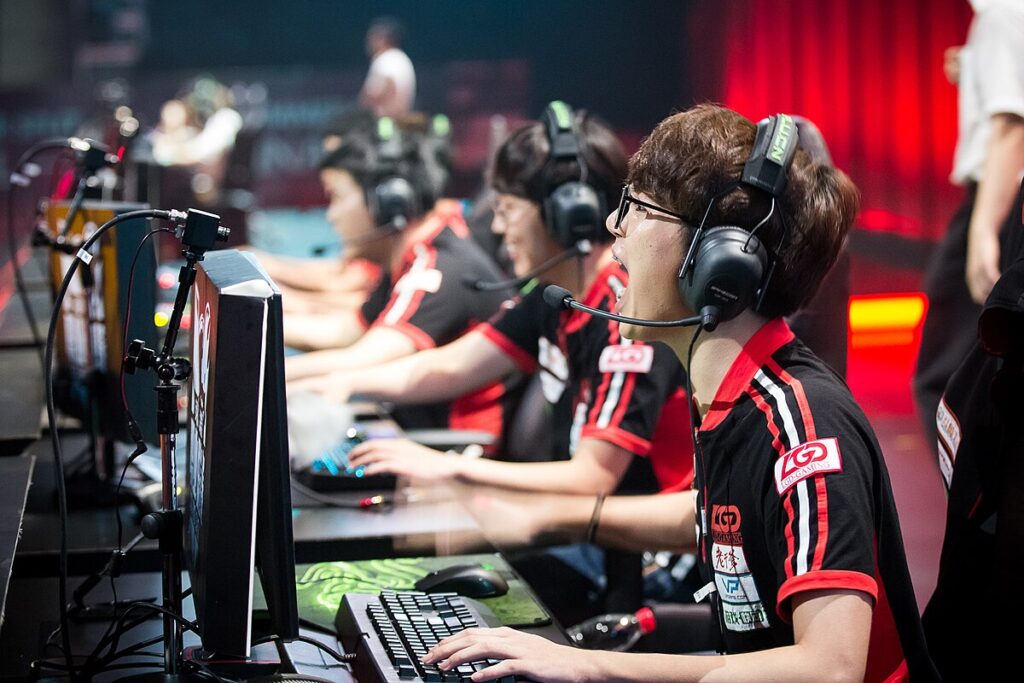
Competitive integrity is the foundation of esports.
Using clean, standard gaming devices:
- Builds trust with organizers
- Protects players from bans
- Maintains community respect
Reputation built through fair play often leads to better opportunities than short-term success gained through questionable methods.
The Economics of Gaming Devices
Budget management matters, especially for amateur players.
Smart Economic Choices
- Invest in durability, not trends
- Avoid unnecessary upgrades
- Prioritize essential devices
Gaming devices should be seen as long-term tools, not disposable items.
In competitive gaming, the best gaming devices are often the ones you stop noticing. They don’t distract, frustrate, or demand attention. They simply work—match after match, tournament after tournament.
For players serious about improvement, the goal is not to chase the most expensive gear, but to build a reliable, comfortable, and consistent setup that allows skill to develop naturally.
Gaming devices should never be the star of the show. The player should be
Gaming Devices and Content Creation Consistency
Many competitive players also create content.
Stable gaming devices ensure:
- Clean recordings
- Fewer technical interruptions
- Better viewer experience
Content consistency supports personal branding and long-term visibility.
Gaming Devices and Competitive Longevity
Short-term performance is easy to chase. Long-term performance is harder.
Gaming devices that prioritize:
- Comfort
- Reliability
- Consistency
support sustained improvement over months and years, not just a few matches.
Recognizing Marketing Myths Around Gaming Devices
The gaming industry is filled with marketing exaggerations.
Common Myths
- “Higher DPI always means better aim”
- “More RGB improves performance”
- “Pro gear guarantees wins”
Smart players focus on functionality, not hype. Real improvement comes from practice and discipline, supported by reliable gaming devices.
Gaming Devices as Performance Equalizers
At amateur levels, gaming devices often act as equalizers rather than advantages.
Good devices:
- Remove technical disadvantages
- Allow skill to shine
- Reduce frustration
They don’t make players better overnight, but they prevent players from being worse due to technical limitations.
The Transition From Amateur to Semi-Competitive Play
As players move into more serious competition, expectations increase.
Gaming devices become:
- More standardized
- More carefully maintained
- More strategically chosen
This transition is smoother for players who already understand the importance of device reliability.
Final Extended Perspective on Gaming Devices
Gaming devices are not shortcuts to success. They are support systems.
They support:
- Skill development
- Mental stability
- Physical comfort
- Team coordination
When chosen wisely and used consistently, gaming devices quietly amplify effort and
In competitive gaming, the best gaming devices are often the ones you stop noticing. They don’t distract, frustrate, or demand attention. They simply work—match after match, tournament after tournament.
For players serious about improvement, the goal is not to chase the most expensive gear, but to build a reliable, comfortable, and consistent setup that allows skill to develop naturally.
Gaming devices should never be the star of the show. The player should bediscipline.
Closing Thoughts
In competitive gaming, the best gaming devices are often the ones you stop noticing. They don’t distract, frustrate, or demand attention. They simply work—match after match, tournament after tournament.
For players serious about improvement, the goal is not to chase the most expensive gear, but to build a reliable, comfortable, and consistent setup that allows skill to develop naturally.
Gaming devices should never be the star of the show. The player should be.
Closing Thoughts
In competitive gaming, the best gaming devices are often the ones you stop noticing. They don’t distract, frustrate, or demand attention. They simply work—match after match, tournament after tournament.
For players serious about improvement, the goal is not to chase the most expensive gear, but to build a reliable, comfortable, and consistent setup that allows skill to develop naturally.
Gaming devices should never be the star of the show. The player should be